

The relationship between furniture and interiors shapes how we experience our homes, influencing everything from daily comfort to the atmosphere we create for guests. In 2026, British homeowners increasingly recognize that successful interior design extends beyond selecting attractive pieces; it requires understanding how furnishings interact with architectural features, natural light, and spatial flow. This holistic approach to furniture and interiors enables residences to function beautifully whilst expressing individual character and responding to evolving lifestyle needs.
Understanding the Foundations of Furniture and Interiors
The principles guiding effective furniture selection and interior composition have evolved considerably, yet certain fundamentals remain constant. Scale, proportion, and balance form the cornerstones of successful spatial design, determining whether a room feels harmonious or disjointed. When selecting furniture and interiors elements, measuring available space proves essential, ensuring pieces neither overwhelm compact areas nor appear lost in generous rooms.
Material selection carries equal importance, influencing both aesthetic appeal and practical durability. Natural materials such as solid wood bring warmth and texture whilst offering longevity that justifies initial investment. Contemporary options like sintered stone provide modern alternatives, combining impressive resilience with sophisticated visual appeal. Understanding these material properties and their applications helps homeowners make informed decisions that align with their functional requirements and design preferences.
Historical Context and Modern Evolution
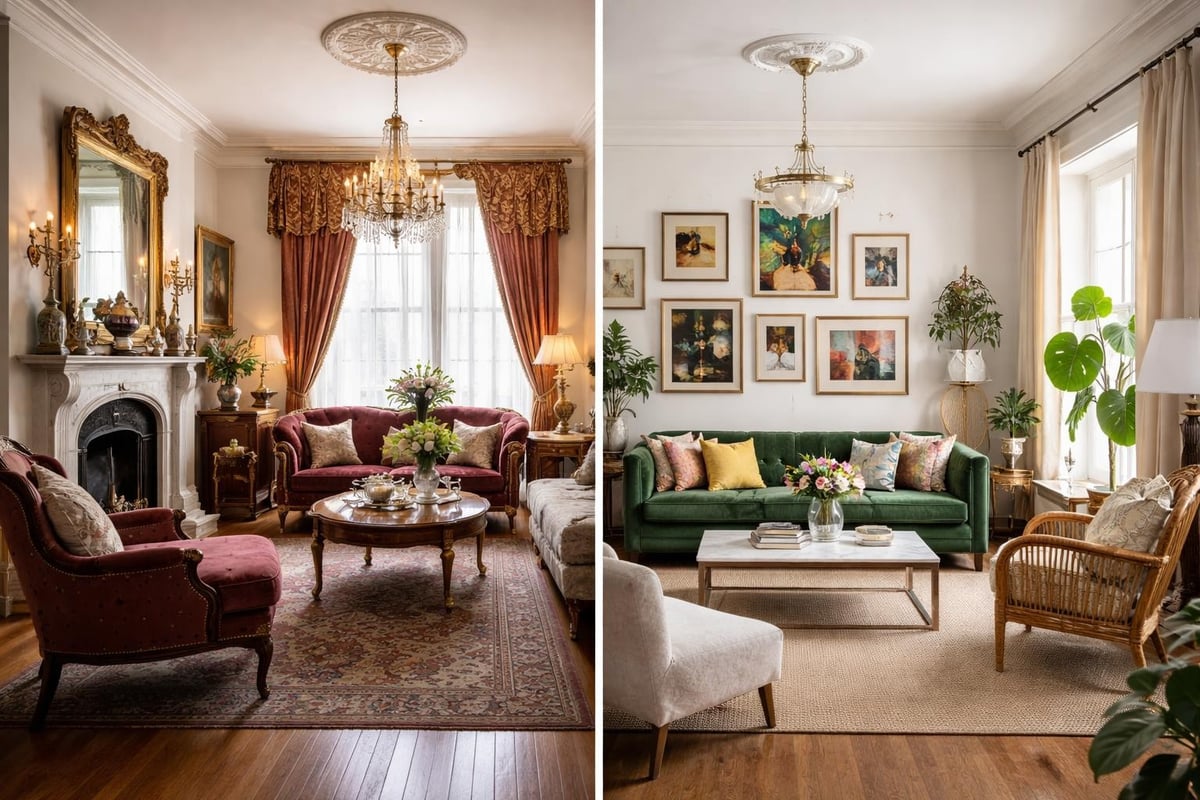
The historical development of furniture and interiors reveals fascinating shifts in cultural priorities and manufacturing capabilities. Georgian and Victorian periods emphasized ornate detailing and formal arrangements, reflecting societal structures and available craftsmanship. The 20th century introduced modernist principles that prioritized function and clean lines, challenging previous decorative traditions.
Today's approach blends historical appreciation with contemporary sensibilities. British homeowners increasingly favour eclectic interiors that combine vintage finds with modern pieces, creating layered spaces that tell personal stories. This mixing of periods and styles requires careful curation to avoid visual chaos, balancing contrasts whilst maintaining coherent colour palettes and material themes.
Material Selection and Quality Considerations
Choosing appropriate materials for furniture and interiors directly impacts longevity, maintenance requirements, and overall satisfaction. Solid wood remains a perennial favourite across British homes, offering natural variations in grain and colour that add character. Oak, walnut, and ash each present distinct visual qualities and structural properties suited to different applications.
| Material Type | Key Benefits | Ideal Applications | Maintenance Level |
|---|---|---|---|
| Solid Oak | Exceptional durability, timeless appeal | Dining tables, storage pieces | Low to moderate |
| Walnut | Rich tones, elegant grain patterns | Statement furniture, bedroom pieces | Moderate |
| Metal Frames | Contemporary aesthetic, structural strength | Console tables, lighting stands | Low |
| Marble Effect | Sophisticated appearance, unique veining | Table tops, decorative accents | Moderate to high |
Metal construction has gained prominence in contemporary furniture and interiors, particularly within industrial-inspired schemes. Powder-coated steel and brass finishes introduce textural contrast when paired with softer elements like upholstered seating or woven textiles. These combinations prevent spaces from feeling monotonous whilst maintaining visual coherence through thoughtful colour coordination.
Upholstery and Textile Choices
Fabric selection significantly influences both comfort and visual warmth within furniture and interiors. Natural fibres such as linen and cotton offer breathability and age gracefully, developing subtle patina that enhances their appeal. Velvet introduces luxurious texture and depth of colour, particularly effective in creating focal points through accent chairs or cushioning.
Performance fabrics now combine aesthetic appeal with practical resilience, addressing concerns about staining and wear in high-traffic households. These technological advances enable homeowners to select furniture based primarily on design preferences rather than compromising for durability alone. Understanding fabric weights, weaves, and treatment options ensures selections align with lifestyle demands whilst achieving desired visual effects.
Spatial Planning and Furniture Arrangement
Effective furniture placement transforms how rooms function and feel, maximizing usable space whilst creating intuitive circulation paths. Begin by identifying primary activities each room will accommodate, then position key furniture pieces to support these functions. In living areas, arrange seating to facilitate conversation whilst ensuring adequate clearance for comfortable movement.
Essential spatial planning considerations include:
- Allowing 75-90cm of clearance around furniture for comfortable passage
- Positioning seating within 2.4 metres of each other to enable easy conversation
- Ensuring adequate space between dining chairs and walls (minimum 90cm when occupied)
- Creating visual breathing room to prevent overcrowding
- Balancing furniture placement to distribute visual weight evenly
Scale drawings or digital room planners help visualize arrangements before committing to purchases. This preliminary planning prevents costly mistakes whilst allowing experimentation with different configurations. Pay particular attention to how furniture and design choices interact with architectural features such as fireplaces, bay windows, or alcoves, using these elements as anchors for cohesive arrangements.
Layering Heights and Visual Interest
Successful furniture and interiors incorporate varied heights to create dynamic compositions that guide the eye throughout spaces. Combine low-profile coffee tables with taller bookcases or cabinets, introducing intermediate heights through side tables, plants, or decorative objects. This layering prevents monotonous horizontal lines whilst adding dimensional complexity that makes rooms feel curated rather than simply furnished.
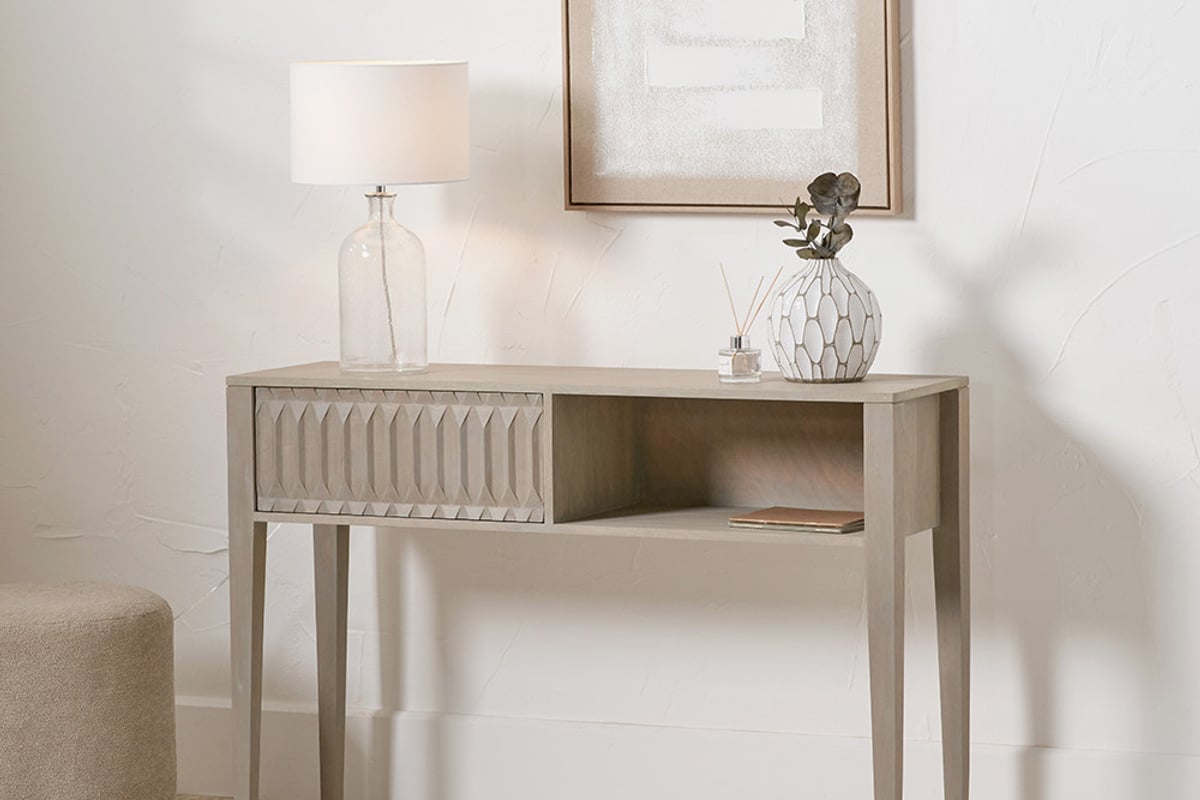
Console tables exemplify versatile pieces that contribute to this vertical variation whilst serving multiple practical functions. Whether positioned behind sofas, in hallways, or flanking dining areas, these accent pieces provide display surfaces without dominating valuable floor space. The Noble & Nook console table collection demonstrates how refined proportions and quality materials create elegant focal points suited to contemporary British interiors, offering practical surfaces that enhance spatial balance whilst maintaining visual lightness.
Colour Theory in Furniture and Interiors
Colour selection profoundly influences spatial perception and emotional response within furniture and interiors. Light neutrals expand visual boundaries, making compact rooms feel more spacious and airy. Deeper tones introduce cosiness and drama, particularly effective in larger rooms or as accent walls that anchor furniture groupings.
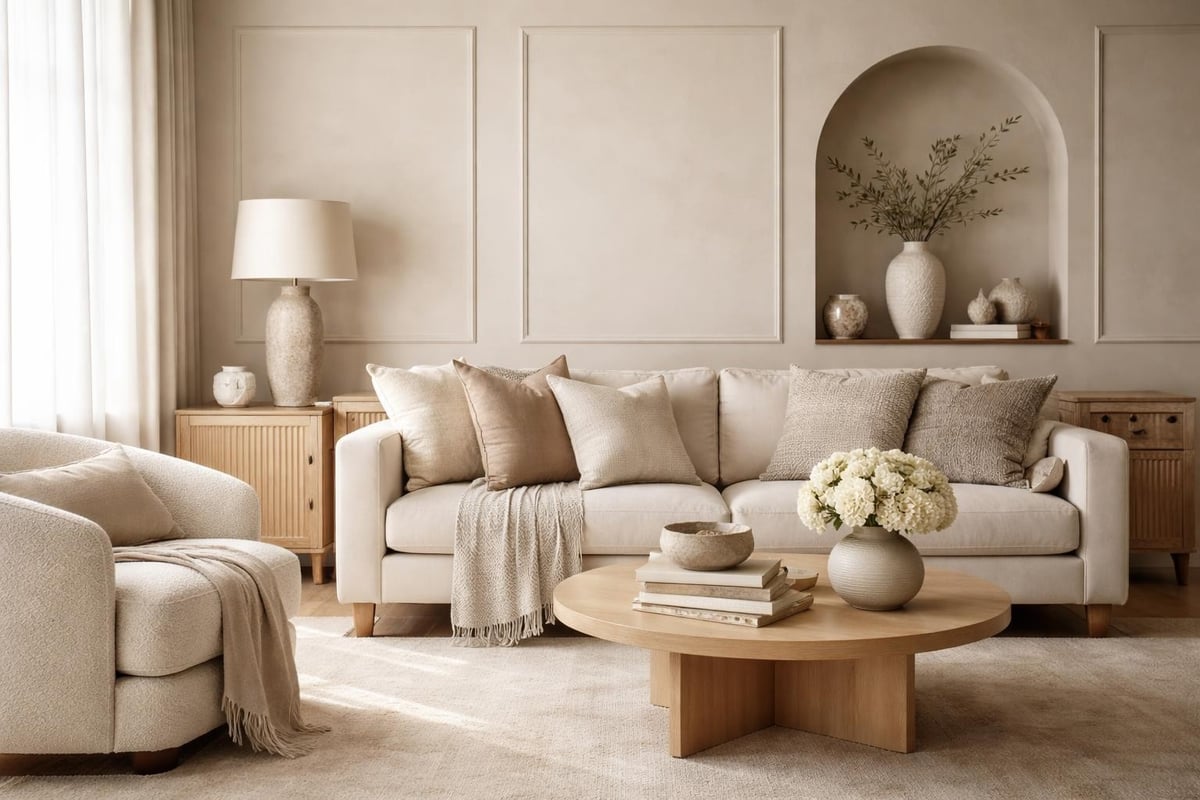
Contemporary British interiors increasingly embrace nuanced neutral palettes that layer subtle variations of whites, greys, and naturals. This sophisticated approach provides versatile backdrops that accommodate evolving decorative preferences whilst allowing furniture pieces to command attention. Introduce colour through easily changeable elements like cushions, throws, and artwork rather than committing to bold furniture upholstery that may limit future styling flexibility.
Coordinating Furniture Finishes
Maintaining coherent finish selections across furniture and interiors prevents visual fragmentation whilst allowing individual pieces to retain distinctiveness. This doesn't necessitate exact matching; rather, select finishes that share undertones or intensity levels. Warm wood tones complement brass and gold metallic accents, whilst cool greys harmonize with chrome and brushed nickel hardware.
Finish coordination strategies:
- Identify dominant wood tone or metal finish as anchor point
- Select complementary rather than matching secondary finishes
- Limit primary finishes to three maximum within single room
- Use accessories to bridge different furniture finish families
- Consider how natural light affects finish appearance throughout day
The interplay between furniture finishes and wall colours requires careful consideration. Light woods read warmer against cool grey walls, whilst dark furniture gains prominence against pale backgrounds. Testing small samples in actual room conditions reveals how these relationships function under specific lighting and spatial configurations.
Lighting's Role in Furniture and Interiors
Illumination fundamentally alters how furniture and interiors appear and function, making lighting design integral to successful spatial planning. Layer ambient, task, and accent lighting to create flexible environments that adapt to different activities and times of day. Overhead fixtures provide general illumination, whilst table and floor lamps introduce warmth and visual interest at lower levels.
Natural light deserves equal consideration when planning furniture and interiors, influencing both furniture placement and material selection. Avoid positioning wooden furniture in direct sunlight paths where prolonged exposure causes fading and damage. Instead, use these bright zones for plants or decorative objects that benefit from natural illumination.
Decorative Lighting as Furniture
Statement lighting transcends pure functionality, serving as sculptural elements that anchor furniture groupings and define spatial zones. Pendant fixtures establish focal points above dining tables or kitchen islands, whilst floor lamps create intimate reading nooks within larger living areas. The scale and style of these lighting pieces should complement surrounding furniture proportions and design language.
Table lamps fulfill dual roles within furniture and interiors, providing necessary task lighting whilst contributing to decorative compositions. Positioned on console tables, bedside cabinets, or sideboards, these fixtures introduce vertical elements that balance horizontal furniture lines. Selecting appropriate lamp bases and shades requires considering both functional light output and aesthetic contribution to overall schemes.
Storage Solutions and Decluttered Interiors
Adequate storage proves essential for maintaining the visual serenity that characterizes successful furniture and interiors. Built-in solutions maximize space efficiency but require architectural intervention, whilst freestanding furniture offers flexibility that accommodates changing needs. Sideboards, chest of drawers, and cabinets provide generous concealed storage that preserves clean surfaces and uncluttered sightlines.
Storage furniture selection criteria:
- Assess actual storage needs through realistic inventory of possessions
- Prioritize pieces offering combination of drawers, shelves, and cabinet space
- Consider accessibility requirements for frequently used items
- Select furniture depth appropriate to available floor space
- Ensure hardware quality supports regular use without premature failure
Multi-functional furniture maximizes utility within compact British homes where square footage comes at premium. Coffee tables incorporating drawer storage, ottoman seating with lift-top compartments, and beds featuring under-mattress drawers exemplify smart solutions that enhance functionality without compromising aesthetic appeal. These pieces prove particularly valuable in smaller dining and living spaces where every piece must justify its footprint through multiple contributions.
Seasonal Adaptation and Interior Refreshes
British interiors benefit from seasonal adjustments that respond to changing light conditions and weather patterns. Winter schemes might incorporate richer textiles, deeper colours, and heavier window treatments that create warmth and insulation. Summer transitions favour lighter fabrics, fresh colours, and minimal window coverings that maximize natural light and airflow.
These seasonal refreshes needn't involve major furniture replacements. Instead, focus on easily changeable elements like cushion covers, throws, and decorative accessories that transform spatial character whilst preserving core furniture investments. This approach maintains visual interest throughout the year whilst demonstrating environmental responsibility through reduced consumption.
Trend Integration Versus Timeless Design
Balancing contemporary trends with enduring design principles presents ongoing challenges within furniture and interiors. Invest in timeless pieces for major furniture items like sofas, dining tables, and storage solutions, selecting classic proportions and neutral finishes that transcend fleeting fashions. Reserve trend experimentation for accessories, artwork, and smaller accent pieces that update easily without significant financial outlay.
Current trends in scholarly interior design research emphasize sustainability, biophilic design incorporating natural elements, and adaptable spaces supporting multiple functions. These movements reflect broader cultural shifts toward environmental consciousness and flexible living arrangements that accommodate remote work and evolving family structures.
Bedroom Furniture and Personal Sanctuaries
Bedroom furniture and interiors require particular attention to creating restful environments that promote quality sleep and personal retreat. Prioritize comfortable, supportive mattresses and bed frames with appropriate headboard height for reading comfort. Bedside tables positioned within easy reach accommodate necessary items like reading lights, water, and alarm clocks without cluttering sleeping areas.
Storage furniture in bedrooms must balance capacity with spatial efficiency, particularly in compact British homes where bedroom dimensions often prove limited. Wardrobes, chest of drawers, and dressing tables should complement bed proportions whilst leaving adequate circulation space. Consider wardrobes with mirrored doors that reflect light and create illusions of greater space within smaller bedrooms.
| Bedroom Size | Recommended Bed Size | Ideal Furniture Pieces | Spacing Considerations |
|---|---|---|---|
| Small (under 10m²) | Double maximum | Compact chest, wall-mounted lighting | Minimum 60cm around bed |
| Medium (10-15m²) | King | Standard chest, bedside tables, small chair | 75cm circulation space |
| Large (over 15m²) | Super King | Full furniture suite, dressing table, seating area | 90cm+ for comfort |
Colour choices in bedroom furniture and interiors significantly impact restful atmosphere. Soft neutrals, muted blues, and gentle greens promote calm, whilst energizing colours like bright yellows or intense reds may disrupt sleep quality. Select finishes and textiles that feel personally soothing whilst coordinating with overall home aesthetic.
Living Room Furniture Composition
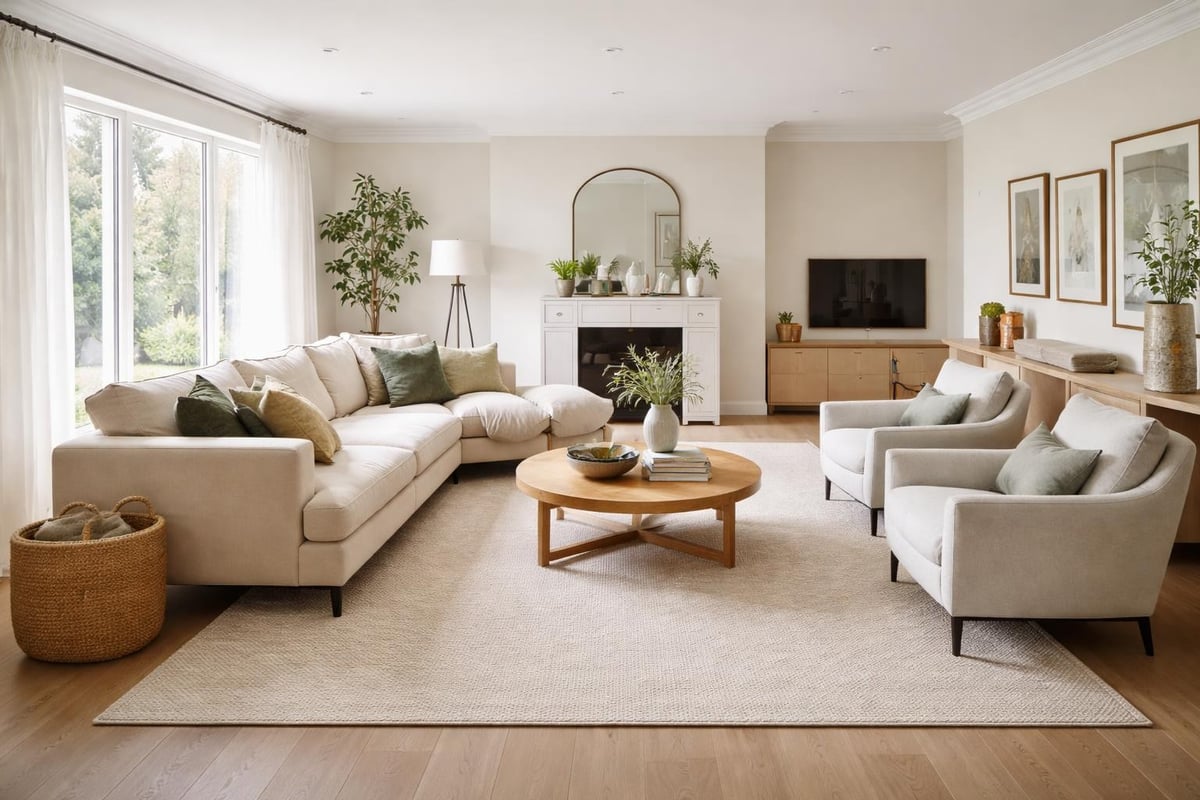
Living room furniture and interiors must accommodate diverse activities from relaxation and entertainment to socializing and hobbies. Anchor arrangements with substantial seating pieces positioned to facilitate conversation whilst allowing clear views of entertainment systems when desired. Supplement primary sofas with accent chairs that introduce visual variety and flexible seating configurations.
Coffee tables serve as functional and visual centerpieces within living room furniture groupings. Select sizes that maintain proportion with surrounding seating, typically two-thirds the sofa length. Height should align with seat cushion tops, enabling comfortable access whilst preserving clear sightlines across rooms. Materials ranging from affordable wooden options to sophisticated marble-effect surfaces suit different design directions and budgets.
Living room furniture essentials:
- Primary seating (sofa or sectional) appropriate to room scale
- Coffee table sized proportionally to seating arrangement
- Side tables for convenient lamp and drink placement
- Storage solutions for media, books, and miscellaneous items
- Adequate lighting at multiple levels and locations
Additional seating beyond primary sofas provides flexibility for gatherings without permanent space commitment. Poufs, ottomans, and lightweight chairs supplement fixed arrangements, offering versatile solutions that tuck away when unnecessary. This adaptability proves valuable in British homes where living rooms often serve multiple functions throughout daily routines.
Dining Room Furniture Functionality
Dining room furniture and interiors center on tables sized appropriately for available space and typical guest numbers. Extendable tables offer versatility, accommodating intimate family meals and larger gatherings within single pieces. Allow minimum 60cm per person around table perimeters, with additional clearance behind occupied chairs for comfortable service and movement.
Dining chairs significantly impact meal comfort and room aesthetic. Upholstered seats enhance comfort during extended dining, whilst wooden or metal chairs maintain easier cleaning in homes with young children. Mix chair styles within coordinated colour palettes to create collected, eclectic appearances that feel personal rather than showroom-stiff.
Storage furniture like sideboards and display cabinets contributes essential functionality whilst anchoring dining room furniture arrangements. These pieces accommodate table linens, serving ware, and glassware whilst providing display opportunities for decorative objects. Position sideboards along walls opposite or perpendicular to dining tables, ensuring adequate service space without impeding circulation.
Garden Furniture and Outdoor Interiors
Garden furniture extends living space beyond interior boundaries, creating outdoor rooms that enhance British homes during warmer months. Material selection proves crucial given exposure to weather elements. Powder-coated aluminum offers durability and lightweight portability, whilst treated hardwoods provide natural warmth that weathers gracefully. Synthetic rattan replicates traditional aesthetics whilst resisting moisture and temperature fluctuations.
Garden furniture ideas for UK homes emphasize creating cohesive outdoor spaces that function as extensions of interior design schemes. Coordinate outdoor furniture and interiors through complementary colour palettes and material choices that bridge indoor and outdoor environments. Introduce weather-resistant cushions and textiles that add comfort whilst introducing patterns and colours reflecting interior preferences.
Garden furniture planning considerations:
- Assess sun exposure patterns throughout day
- Ensure furniture scale suits garden dimensions
- Plan storage solutions for cushions and accessories
- Consider dining versus lounging priorities
- Select materials appropriate to maintenance commitment
Flexible arrangements using modular seating enable configuration changes accommodating different activities and guest numbers. Combine dining tables with lounge seating to create zones supporting various outdoor activities from al fresco meals to casual relaxation with morning coffee.
Accessorizing Furniture and Interiors
Accessories complete furniture and interiors, introducing personality and finishing touches that transform furnished rooms into lived-in homes. Artwork, mirrors, plants, and decorative objects should enhance rather than overwhelm, maintaining visual balance through thoughtful placement and scale relationships. Group smaller items in odd numbers to create cohesive vignettes rather than scattering individual pieces randomly.
Textiles layer comfort and visual warmth across furniture and interiors. Throws draped over sofas introduce texture and additional colour whilst serving practical purposes during cooler evenings. Cushions provide similar benefits, offering opportunities to experiment with patterns and seasonal colours without permanent commitment. Vary cushion sizes and shapes to create dynamic arrangements that appear intentional rather than matched sets.
Wall art anchors furniture groupings whilst filling vertical spaces that might otherwise feel bare. Position artwork at eye level (approximately 145cm center height) to create comfortable viewing relationships. Scale pieces appropriately to furniture below, with framed works spanning roughly two-thirds the width of sofas or console tables they accompany.
Investment Pieces Versus Budget Flexibility
Successful furniture and interiors balance investment in quality foundational pieces with budget-conscious selections for trend-driven or frequently updated elements. Allocate higher budgets toward items experiencing daily use like mattresses, sofas, and dining tables where construction quality directly impacts longevity and satisfaction. These pieces justify initial expenditure through years of reliable service and enduring aesthetic appeal.
Reserve budget flexibility for accessories, lighting, and accent furniture where personal preferences evolve more rapidly or pieces experience lighter use. This strategic allocation enables maintaining current, personalized interiors without excessive expenditure or waste. Resources like scholarly interior design references provide guidance on evaluating quality indicators and making informed purchasing decisions.
Investment priority hierarchy:
- Primary seating and sleeping furniture
- Dining tables and quality chairs
- Storage solutions and organizational furniture
- Accent tables and supplementary seating
- Decorative accessories and changeable elements
Quality furniture construction features solid joinery, substantial hardware, and durable finish applications that resist daily wear. Examine drawer construction, checking for dovetail joints and smooth-gliding mechanisms. Test furniture stability, ensuring pieces feel substantial without wobbling or creaking under normal use.
Maintaining and Refreshing Furniture
Proper maintenance extends furniture lifespan whilst preserving aesthetic appeal throughout furniture and interiors. Different materials require specific care protocols. Wooden furniture benefits from periodic treatment with appropriate oils or waxes that nourish timber whilst protecting against moisture damage. Upholstered pieces need regular vacuuming to remove dust and debris that accelerates fabric degradation.
Address damage promptly to prevent minor issues escalating into major problems. Tighten loose hardware, touch up scratched finishes, and clean spills immediately to minimize staining. Rotate cushions regularly to distribute wear evenly, extending replacement intervals whilst maintaining consistent appearance across furniture pieces.
Professional refinishing, reupholstering, or restoration services breathe new life into quality furniture showing age. These interventions often prove more economical and environmentally responsible than replacement, particularly for solid wood pieces with sound structural integrity. Evaluate whether sentimental value or construction quality justifies restoration investment versus purchasing contemporary alternatives.
Thoughtful furniture and interiors transform houses into homes that support daily activities whilst expressing personal character and design sensibilities. By understanding fundamental principles governing scale, material selection, spatial planning, and colour coordination, British homeowners create cohesive environments that balance aesthetic appeal with practical functionality. Whether furnishing entire homes or refreshing individual rooms, strategic decisions about quality investments and flexible accessories enable interiors that evolve alongside changing needs and preferences. Noble & Nook supports this journey with curated collections of boutique furniture, luxury lighting, and quality home décor suited to modern British living, offering free UK mainland delivery and flexible payment options that make elevated interiors accessible.