

The relationship between furniture and design has never been more dynamic than it is in 2026. British homeowners are increasingly viewing their living spaces as personal canvases, where carefully selected pieces create atmospheres that reflect individual style whilst serving practical daily needs. From the resurgence of traditional craftsmanship to the integration of sustainable materials and multifunctional forms, the evolution of furniture and design continues to shape how we experience our homes. Understanding the principles that govern successful interior schemes empowers you to make informed choices that enhance both the visual appeal and functionality of every room.
The Evolution of Furniture and Design Principles
The journey of furniture and design through history reveals a fascinating interplay between cultural movements, technological advances and changing lifestyle needs. Contemporary British interiors draw inspiration from multiple eras, creating eclectic spaces that honour tradition whilst embracing modernity.
Historical Influences on Modern Aesthetics
Classical design movements continue to inform current furniture choices. The clean lines of mid-century modernism, the ornate detailing of Victorian craftsmanship, and the geometric precision of Art Deco all find expression in today's collections. An illustrated understanding of furniture history provides valuable context for recognising quality construction and timeless proportions.
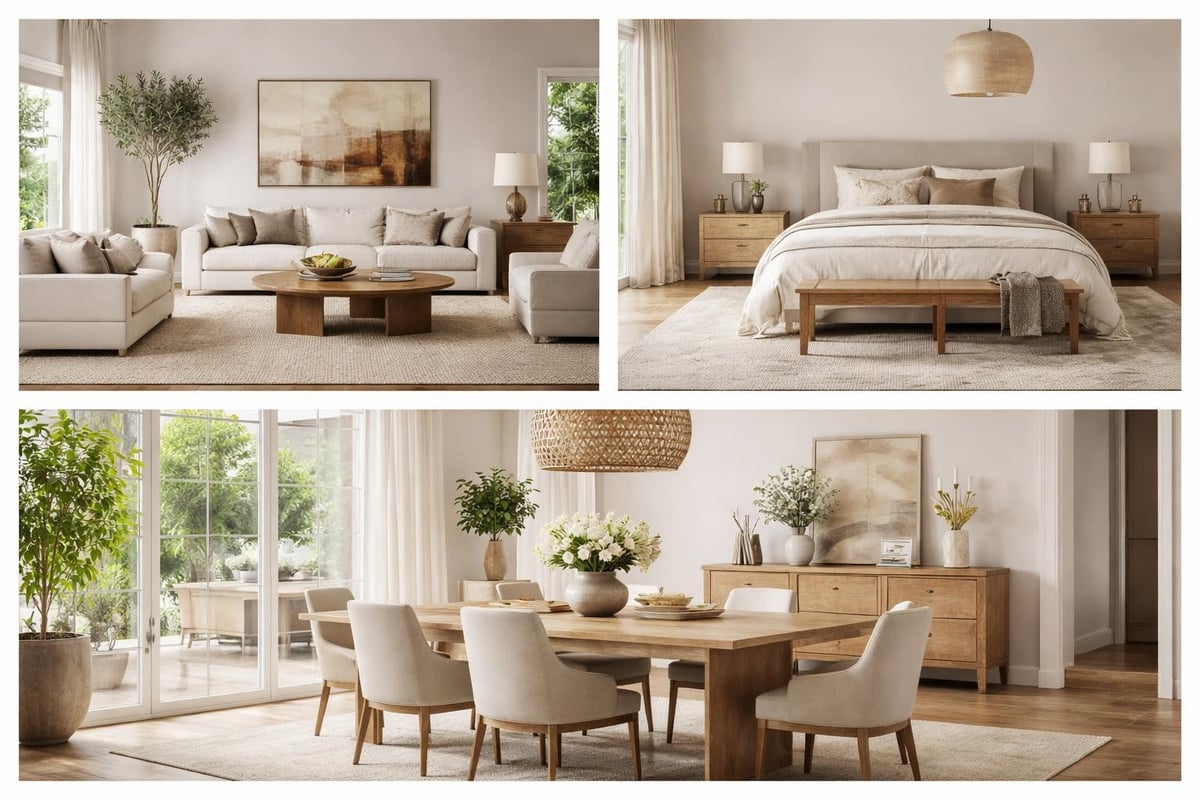
What distinguishes successful furniture and design in 2026 is the thoughtful blending of these influences. A contemporary living room might feature a sleek Scandinavian-inspired sofa paired with an antique wooden side table, creating visual tension that feels intentional rather than accidental. This approach requires understanding fundamental design principles:
- Scale and proportion: Ensuring furniture dimensions suit room size and ceiling height
- Visual weight: Balancing heavy, solid pieces with lighter, more delicate forms
- Rhythm and repetition: Creating flow through repeated shapes, materials or colours
- Focal points: Anchoring spaces with statement pieces that draw the eye
The most effective interiors demonstrate restraint. Rather than filling every surface, thoughtful furniture and design creates breathing room that allows individual pieces to shine whilst maintaining overall cohesion.
Material Selection and Sustainability Considerations
Material choices profoundly impact both the aesthetic and environmental footprint of furniture and design decisions. British consumers in 2026 demonstrate increased awareness of sustainability, seeking pieces that balance beauty with responsible sourcing.
Natural Materials and Their Applications
Wood remains the cornerstone of quality furniture construction. Different species offer distinct characteristics:
| Wood Type | Characteristics | Best Applications | Sustainability Notes |
|---|---|---|---|
| Oak | Durable, prominent grain, warm tones | Dining tables, bookcases, sideboards | Sustainable when FSC-certified |
| Walnut | Rich colour, fine grain, elegant | Bedside tables, accent pieces | Slower growing, premium choice |
| Pine | Softer, lighter, budget-friendly | Painted furniture, casual spaces | Fast-growing, renewable |
| Mango | Varied grain, eco-friendly | Contemporary cabinets, tables | Repurposed from fruit production |
Beyond timber, sustainable furniture trends emphasise materials like rattan, bamboo and reclaimed metals. These choices align furniture and design with environmental values whilst introducing interesting textures and visual variety.
Metal frameworks have gained prominence, particularly in contemporary British interiors. Brass detailing adds warmth and luxury, whilst powder-coated steel provides durability in garden furniture. The key lies in mixing materials thoughtfully-combining the organic warmth of wood with the industrial edge of metal creates depth and character.
Upholstery Fabrics and Finishes
Textile selection dramatically influences both comfort and visual impact. Current furniture and design trends favour:
- Performance fabrics: Stain-resistant treatments maintain appearance in high-traffic areas
- Natural fibres: Linen and cotton offer breathability and relaxed elegance
- Velvet: Luxurious texture adds depth, particularly in jewel tones
- Bouclé: Textured weave creates visual interest and tactile appeal
Finish quality determines longevity. Hand-rubbed oils enhance wood grain whilst providing protection. Lacquered surfaces offer high-gloss modernity but require careful maintenance. Understanding these practical considerations ensures furniture and design choices deliver lasting satisfaction.
Room-Specific Furniture and Design Strategies
Each room presents unique challenges and opportunities. Successful furniture and design requires adapting general principles to specific functional requirements whilst maintaining visual continuity throughout the home.
Living Room Configuration and Flow
The living room serves multiple purposes-relaxation, entertainment, conversation-demanding versatile furniture arrangements. Sofa trends in 2026 emphasise modular configurations that adapt to changing needs, whilst maintaining comfort and style.
Creating effective conversation areas involves positioning seating to encourage interaction. A typical arrangement includes:
- Primary seating (sofa or sectional) anchoring the space
- Complementary accent chairs angled towards the focal point
- Coffee table within comfortable reach of all seating
- Side tables providing surface area without obstructing movement
Traffic flow demands careful consideration. Maintaining 75-90cm clearance between furniture pieces ensures comfortable movement, whilst tighter spacing creates intimacy in larger rooms. The relationship between furniture and design here directly impacts daily usability.
Storage integration maintains visual calm. Living room sideboards conceal clutter whilst providing display opportunities for curated objects, balancing practicality with aesthetic appeal.
Bedroom Furniture and Design Harmony
Bedrooms demand tranquility and functionality. Furniture and design choices should promote rest whilst accommodating practical needs like clothing storage and bedside essentials.
Bed placement establishes the room's layout. Positioning the headboard against the longest wall typically creates the most balanced arrangement, with symmetrical bedside tables flanking each side providing visual equilibrium.
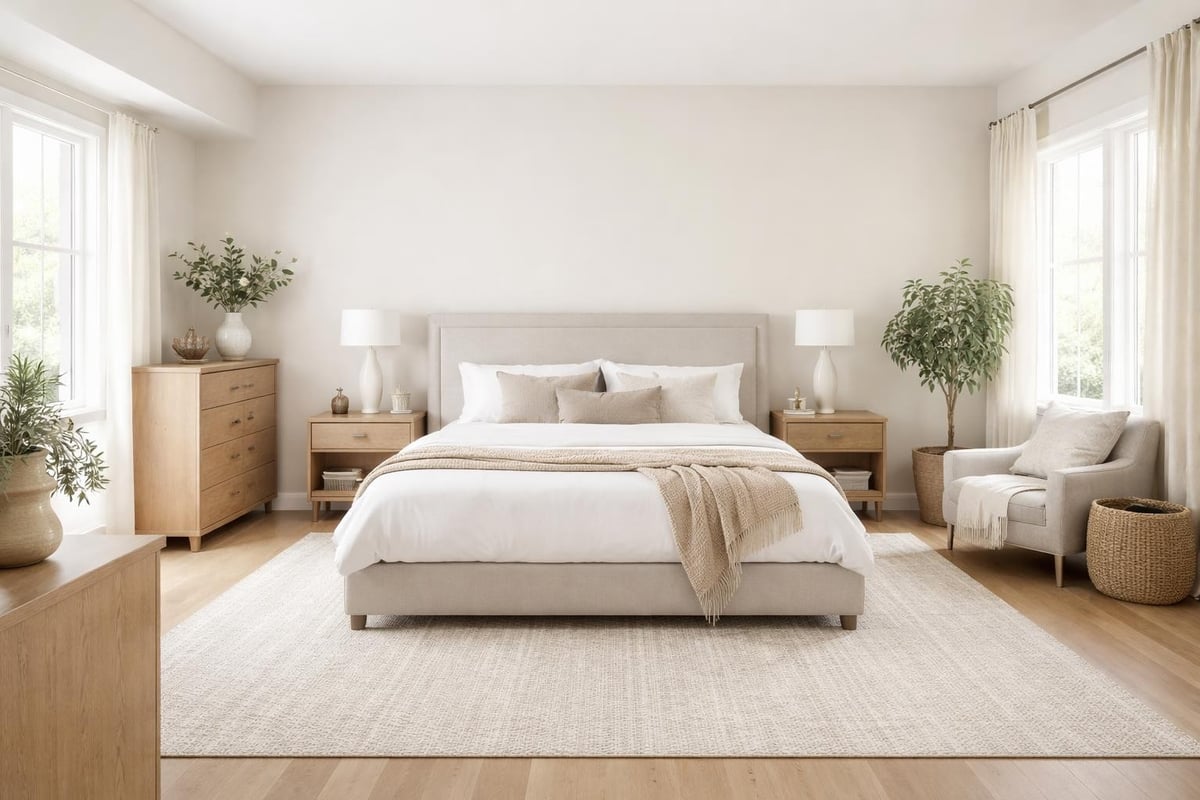
Storage solutions vary based on available space:
- Walk-in wardrobes: Ultimate luxury for larger bedrooms, offering organised concealment
- Fitted wardrobes: Maximise awkward spaces, creating streamlined appearances
- Freestanding pieces: Flexible, characterful options including armoires and chests
- Under-bed storage: Often overlooked opportunity for seasonal items
Dressing areas benefit from dedicated dressing tables with adequate lighting and mirror placement. This furniture and design consideration creates defined zones within larger bedrooms, adding functionality without visual clutter.
Dining Room Functionality and Style
Dining rooms balance formal entertaining with everyday family meals. Furniture and design selections must accommodate both scenarios whilst reflecting personal taste.
Table sizing follows mathematical guidelines. Allow 60cm per person for comfortable seating, with additional space for serving dishes and centerpieces. Rectangular tables suit formal arrangements, whilst round or oval shapes encourage inclusive conversation in smaller gatherings.
The relationship between dining tables and dining chairs extends beyond matching sets. Mixing chair styles-perhaps upholstered end chairs with simpler side chairs-adds visual interest whilst maintaining cohesion through consistent finish or colour.
Storage pieces enhance both function and atmosphere. A well-placed sideboard stores table linens and serving ware whilst providing a surface for drinks service or buffet presentations during gatherings.
Contemporary Trends Shaping Furniture and Design
The landscape of furniture and design continues evolving, influenced by cultural shifts, technological innovations and changing work-life patterns. Understanding current trends helps create spaces that feel both current and enduring.
Curved Forms and Organic Shapes
Angular, boxy silhouettes are giving way to softer, more organic profiles. Furniture trends for 2025 and beyond highlight rounded edges, sculptural bases and flowing lines that create welcoming, approachable spaces.
This shift extends across categories. Curved sofas anchor living rooms with embracing forms that encourage gathering. Rounded coffee tables improve traffic flow whilst softening the overall aesthetic. Even storage pieces incorporate arched details or cylindrical legs.
The psychology behind this trend reflects post-pandemic desires for comfort and security. Sharp corners feel aggressive; curves feel nurturing. Successful furniture and design harnesses this emotional response whilst maintaining sophisticated, adult aesthetics.
Multifunctional Furniture Solutions
British homes increasingly demand pieces that serve multiple purposes. Space constraints in urban properties combined with flexible working arrangements drive innovation in furniture and design.
Examples of multifunctional excellence include:
- Sofa beds with comfortable mattresses that don't compromise daily seating
- Extendable dining tables accommodating intimate dinners or larger gatherings
- Ottoman storage combining footrest, seating and concealed organization
- Nesting tables offering flexible surface area without permanent footprint
The challenge lies in maintaining aesthetic integrity. The most successful multifunctional furniture and design avoids appearing utilitarian, instead presenting as beautiful objects that happen to offer additional capabilities.
Statement Metallic Accents
Furniture trends emphasising silver tones represent a departure from the brass and gold dominance of recent years. Brushed nickel, polished chrome and antiqued silver introduce cool sophistication that complements both warm and neutral palettes.
These metallic elements appear in hardware, frame details and decorative accessories. Console tables with slender metal legs create airy elegance in hallways. For those seeking pieces that exemplify this trend, console tables combine contemporary metal frameworks with warm wood or sophisticated marble-effect surfaces, offering refined surfaces for display whilst maintaining visual lightness in entry areas and living rooms.
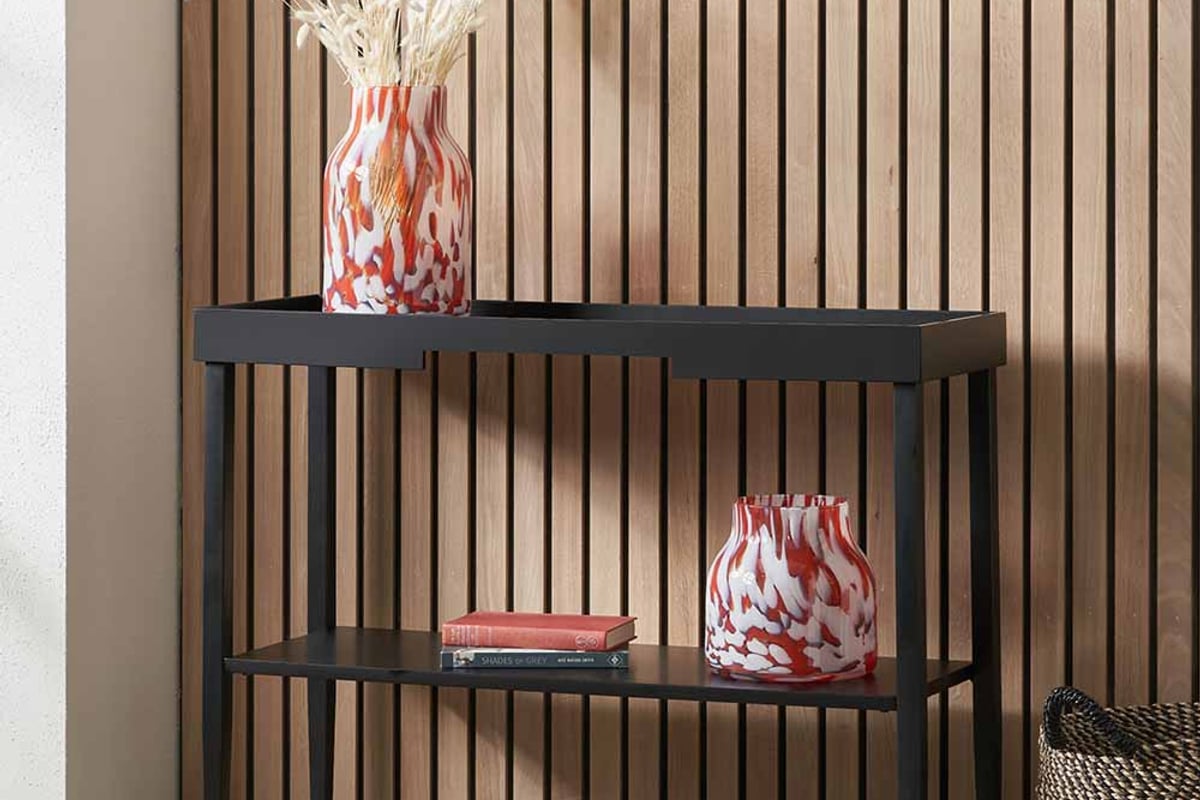
Mixing metallic finishes requires confidence. Rather than strict matching, successful furniture and design embraces variation within a tonal range-pairing brushed brass with antique gold, or chrome with pewter, creates layered sophistication.
Colour Theory and Furniture Selection
Colour profoundly impacts emotional response to interiors. The relationship between furniture and design incorporates colour psychology, practical considerations and personal preference.
Neutral Foundations and Accent Opportunities
Neutral furniture provides enduring foundations that adapt to evolving tastes. Greys, taupes, creams and soft whites create calm backdrops that accommodate bold accessories or statement artwork.
However, interior trends for 2026 signal a shift towards more vibrant, expressive palettes. This doesn't necessitate replacing entire furniture collections; instead, layering colourful textiles, cushions and throws over neutral bases allows experimentation without permanent commitment.
The 60-30-10 rule guides colour distribution:
- 60%: Dominant colour (typically walls and large furniture pieces)
- 30%: Secondary colour (accent furniture, curtains, rugs)
- 10%: Accent colour (accessories, artwork, cushions)
This framework ensures furniture and design choices create cohesive, balanced environments rather than overwhelming visual chaos.
Seasonal Adaptation Through Textiles
British homes experience dramatic seasonal variations demanding flexibility. Furniture and design approaches that accommodate this reality enhance year-round comfort.
Summer schemes benefit from lighter textiles-linen slipcovers, cotton throws, pale cushions-creating airy, refreshing atmospheres. Winter invites richer textures: velvet cushions, wool throws, deeper colours that cocoon against the cold.
This textile-based approach to seasonal change respects furniture investment whilst allowing aesthetic refresh. Rather than purchasing new pieces, updating soft furnishings transforms the mood and character of existing furniture and design schemes.
Lighting Integration with Furniture Design
Lighting profoundly influences how furniture appears and how spaces function. Successful furniture and design considers illumination from the earliest planning stages.
Layered Lighting Strategies
Effective schemes combine three lighting types:
- Ambient lighting: Overall illumination through ceiling lights or recessed fixtures
- Task lighting: Focused illumination for specific activities via table lamps or desk lights
- Accent lighting: Highlighting architectural features or artwork through spotlights or uplighters
Floor lamps bridge categories, providing both ambient fill and reading task lighting when positioned beside seating. Their placement becomes a furniture and design decision, influencing arrangement and flow.
Furniture as Lighting Display
Certain furniture pieces serve primarily as platforms for lighting elements. Console tables in hallways support welcoming table lamps. Bedside tables elevate reading lights to appropriate heights. Display cabinets incorporate internal illumination highlighting treasured objects.
The relationship between furniture and design extends to cord management. Well-designed pieces incorporate cable routing or positioning near outlets, maintaining visual cleanliness whilst ensuring practical functionality.
Outdoor Furniture and Design Considerations
Anthropologie's 2026 outdoor collection demonstrates how outdoor furniture and design increasingly mirrors interior sophistication. British gardens and patios demand weather-resistant materials without sacrificing style.
Material Durability and Weather Resistance
Outdoor furniture faces harsh conditions-UV exposure, moisture, temperature fluctuations-requiring materials that withstand these challenges:
| Material | Advantages | Maintenance Requirements | Aesthetic |
|---|---|---|---|
| Teak | Naturally weather-resistant, ages beautifully | Occasional oiling maintains colour | Classic, warm |
| Powder-coated aluminium | Lightweight, rust-proof, low maintenance | Simple cleaning | Modern, sleek |
| All-weather wicker | Traditional appearance, UV-resistant | Periodic washing | Casual elegance |
| Cast iron | Extremely durable, traditional | Requires rust protection | Heritage, substantial |
Successful outdoor furniture and design considers protection and storage. Furniture covers extend lifespan, whilst modular pieces facilitate seasonal rearrangement or winter storage.
Creating Outdoor Rooms
Contemporary approaches treat gardens as extensions of interior living space. Garden seating sets establish conversation areas, whilst outdoor dining furniture enables alfresco entertaining.
Defining zones creates structure in larger gardens. Furniture arrangement signals purpose-intimate seating clusters for conversation, larger tables for dining, lounge chairs for relaxation. This zoning approach mirrors interior furniture and design principles, establishing outdoor rooms with distinct characters.
The Investment Perspective on Quality Furniture
Furniture and design decisions represent significant financial investments. Understanding value beyond initial cost ensures satisfaction over extended timeframes.
Evaluating Construction Quality
Superior construction determines longevity. Indicators of quality include:
- Joinery methods: Dovetail joints and mortise-and-tenon construction outlast simple screwed assemblies
- Frame materials: Kiln-dried hardwoods resist warping and provide structural integrity
- Suspension systems: Eight-way hand-tied springs in upholstery offer superior comfort and durability
- Finish application: Hand-rubbed or multiple-coat finishes protect surfaces whilst enhancing appearance
These details often remain hidden but fundamentally affect furniture performance. Furniture and design expertise involves recognising quality indicators that justify premium pricing through extended serviceable life.
Cost-Per-Use Calculations
Evaluating furniture investment requires considering usage frequency and expected lifespan. A £2,000 sofa used daily for fifteen years costs approximately 36p per day-negligible compared to the comfort and aesthetic contribution it provides.
This perspective shifts furniture and design from pure expense to lifestyle investment. Quality pieces appreciate in both sentimental value and, occasionally, financial worth, particularly for well-maintained vintage or designer items.
Styling and Accessorising Furniture Pieces
Even the finest furniture benefits from thoughtful styling. The relationship between furniture and design extends to curated accessorising that enhances character without creating clutter.
The Art of Vignette Creation
Vignettes-small, curated arrangements-transform furniture surfaces into display opportunities. Successful compositions follow basic principles:
- Vary heights: Combine tall, medium and low elements for visual interest
- Group in odd numbers: Three or five objects create more dynamic arrangements than even numbers
- Layer textures: Mix smooth, rough, reflective and matte surfaces
- Incorporate negative space: Avoid overcrowding; emptiness provides visual rest
Console tables, sideboards and shelving become galleries for personal collections. This approach to furniture and design reflects individual personality whilst demonstrating curatorial restraint.
Seasonal Refresh Strategies
Updating accessories maintains visual freshness without requiring furniture replacement. Seasonal shifts might involve:
- Spring: Fresh flowers, lighter textiles, brighter accent colours
- Summer: Botanical prints, natural fibres, airy arrangements
- Autumn: Richer tones, textured throws, warmer lighting
- Winter: Deeper colours, plush fabrics, metallic accents
This cyclical approach to furniture and design keeps interiors feeling current whilst respecting foundational investment pieces.
The thoughtful selection and arrangement of furniture transforms houses into homes that reflect personal style whilst serving practical daily needs. By understanding fundamental design principles, material characteristics, and current trends, you create interiors that feel both timely and timeless. Noble & Nook offers carefully curated collections spanning living room seating, bedroom furnishings, dining furniture and garden pieces, all designed to elevate every room with quality craftsmanship and enduring style. With free UK mainland shipping and flexible payment options, creating your ideal interior has never been more accessible.