

A contemporary lamp table serves as both a functional lighting solution and a sculptural accent piece that can transform the visual balance of any room. Unlike traditional side tables that simply hold objects, the modern iteration combines refined proportions, quality materials and considered design to create focal points that elevate living spaces, bedrooms and hallways. As we navigate through 2026, the contemporary lamp table has evolved beyond mere utility to become an essential element in curated interiors, reflecting broader shifts towards craftsmanship, sustainability and timeless aesthetics.
Understanding the Contemporary Lamp Table
The term "contemporary lamp table" describes a furniture piece designed specifically to display table lamps whilst providing practical surface space for everyday items. These tables differ from standard side tables through their deliberate proportions, typically standing between 50-65 centimetres in height to position lighting at optimal levels for reading and ambient illumination.
Key characteristics include:
- Streamlined silhouettes with minimal ornamentation
- Quality materials such as solid wood, marble, metal or glass
- Proportions balanced for both lamp display and functional use
- Finishes that complement modern and transitional interiors
- Design integrity that allows the piece to stand alone as a sculptural element
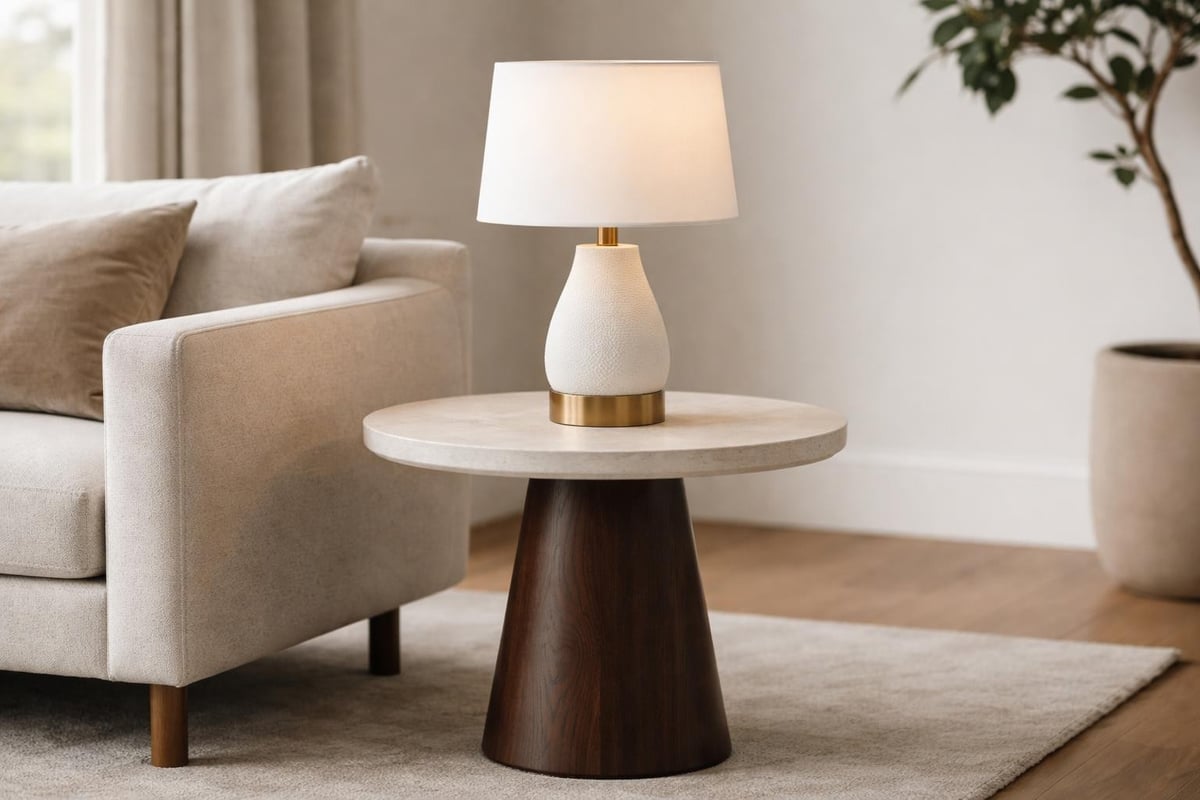
Material Choices in 2026
Material selection defines the character of a contemporary lamp table more than any other factor. According to 2026 living room trends, natural materials continue their ascendancy, with designers favouring organic textures that bring warmth and tactility to modern spaces.
Solid wood remains the foundation of timeless design, offering grain patterns and tonal variations that ensure each piece possesses individual character. Oak, walnut and ash provide durability whilst aging gracefully, developing patina that enhances rather than diminishes visual appeal. These materials work particularly well in British interiors where traditional craftsmanship meets contemporary sensibilities.
Metal frames, especially in brushed brass, aged bronze or matte black finishes, introduce industrial elegance without overwhelming residential spaces. When paired with wood or marble tops, metal creates the material contrast that defines sophisticated contemporary design.
| Material | Visual Quality | Durability | Best Suited For |
|---|---|---|---|
| Solid Oak | Warm, pronounced grain | Excellent | Traditional-contemporary blend |
| Walnut | Rich, dark tones | Excellent | Modern, refined spaces |
| Marble | Luxurious, veined patterns | Good (requires care) | Statement pieces |
| Metal & Wood | Contrasting textures | Excellent | Industrial-contemporary |
| Glass & Metal | Light, transparent | Moderate | Minimalist interiors |
Design Evolution and Historical Influence
Contemporary lamp tables draw inspiration from multiple design movements whilst maintaining distinctly modern sensibilities. A century of design evolution informs today's aesthetic, with mid-century modernism's clean lines, Art Deco's geometric precision and Scandinavian functionalism all contributing to current interpretations.
The most successful contemporary pieces reference these historical styles without replicating them. A tapered leg profile might echo mid-century forms whilst proportions and finishes remain thoroughly modern. This approach creates furniture with visual depth and cultural resonance that transcends fleeting trends.
Styling Your Contemporary Lamp Table
Placement determines whether a contemporary lamp table functions as a practical addition or becomes a design statement. The relationship between the table, its lamp and surrounding furniture requires careful consideration of scale, proportion and visual weight.
Optimal placement locations:
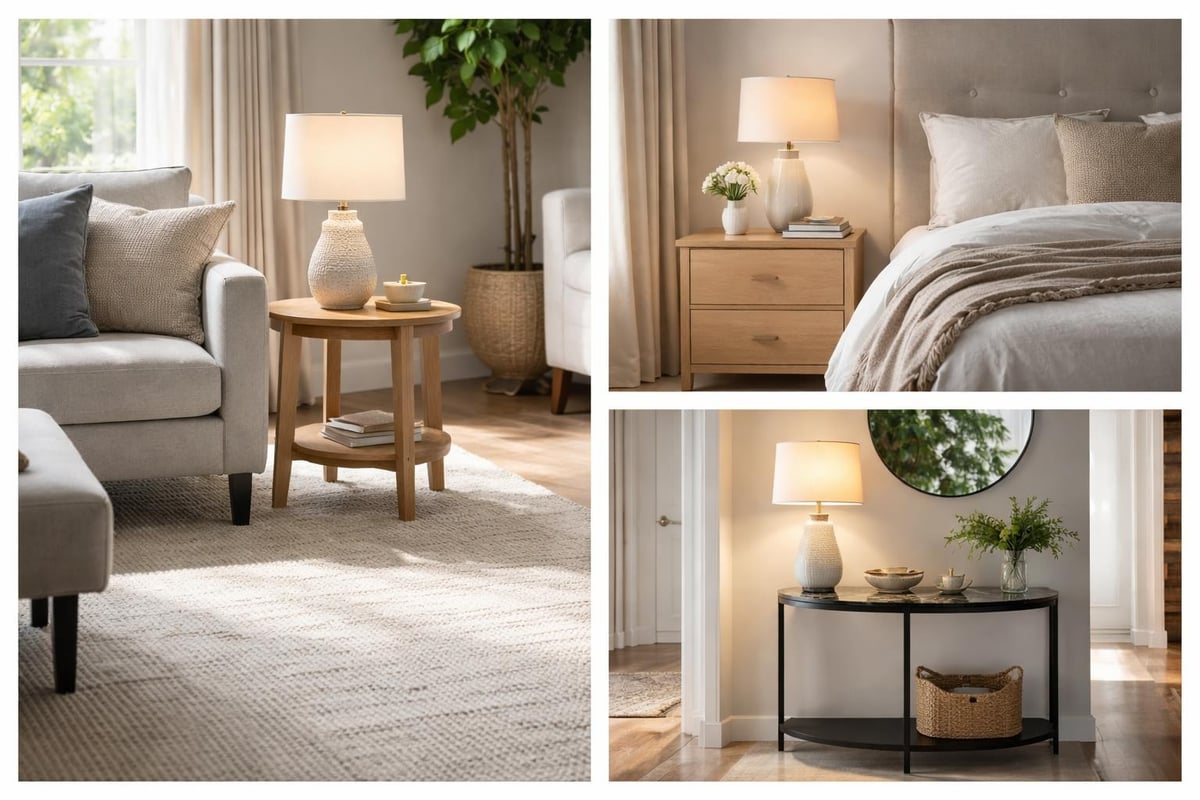
- Beside seating in living rooms for reading light and convenience
- Either side of beds to balance bedroom symmetry
- In hallways or entries as illuminated accent points
- Flanking consoles or sideboards for layered lighting
- In reading nooks paired with accent chairs
The lamp itself should complement rather than overpower the table. As a general principle, the combined height of table and lamp should align with eye level when seated, typically 100-120 centimetres from floor to lamp top. This ensures comfortable task lighting whilst maintaining visual proportion.
Lamp and Table Pairings
Achieving harmony between a contemporary lamp table and its lighting requires understanding material relationships and visual weight. A substantial marble-topped table supports larger ceramic or glass lamp bases, whilst slender metal tables pair beautifully with linear or sculptural lamp designs.
Those seeking inspiration might explore contemporary table lamp designs that demonstrate how modular systems and sustainable materials are reshaping lighting aesthetics in 2026.
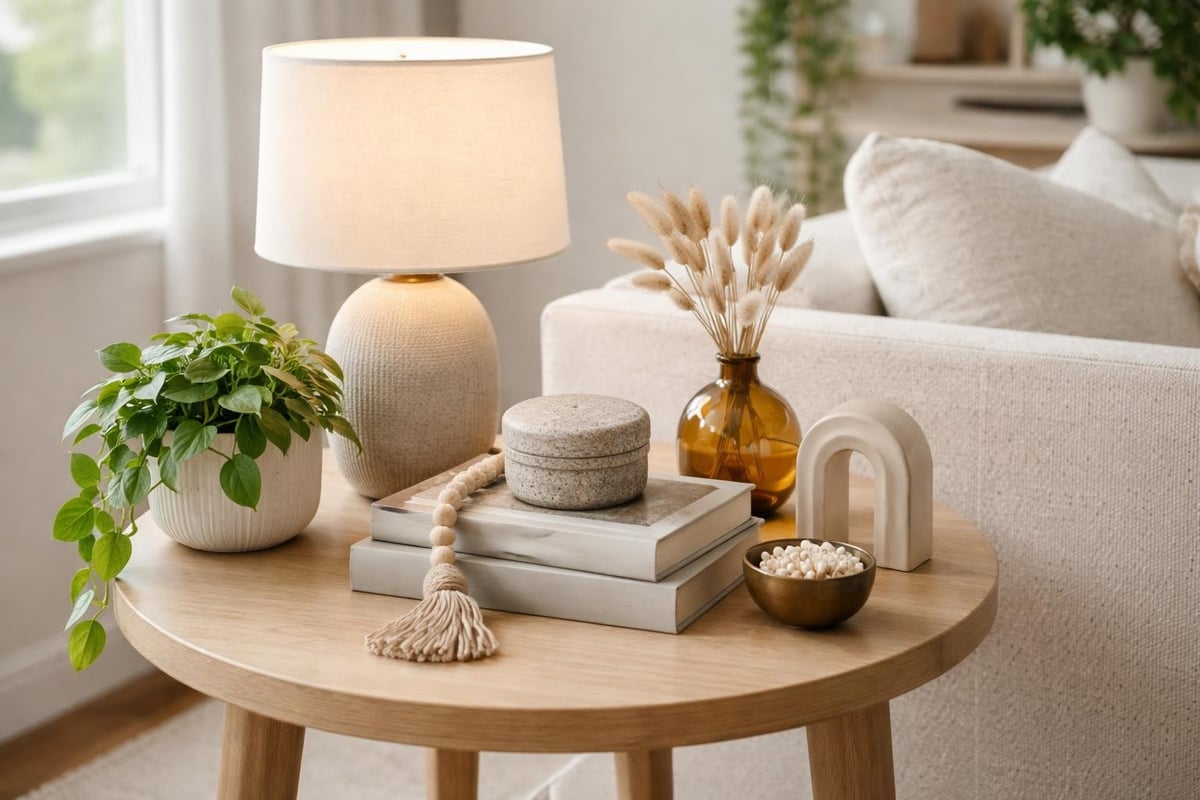
Material contrast creates visual interest without complexity. A warm wood table topped with a cool metal lamp base introduces textural variation, whilst matching materials in different finishes, such as matte and polished brass, provides subtle sophistication. The relationship between table surface and lamp base diameter also matters: lamp bases should occupy roughly one-third to one-half of the table's surface area, leaving space for functional items.
For those interested in how lampshade selection impacts overall aesthetics, Noble & Nook's handmade lampshades guide offers detailed insights into choosing shades that complement both lamp and table.
Accessorising with Purpose
A contemporary lamp table succeeds when it balances decorative appeal with everyday utility. Overstyling creates visual clutter, whilst minimal approach risks appearing stark and uninviting. The solution lies in curated layering that reflects personal taste without overwhelming the table's inherent design.
Essential styling elements:
- A carefully chosen lamp providing both ambient and task lighting
- One or two books with considered covers adding height variation
- A small decorative object such as a sculptural piece or vessel
- Optional organic element like a small plant or fresh flowers
- Sufficient clear space for practical items like glasses or devices
Proportion guides these choices. Tall, narrow tables accommodate vertical stacking of books beneath the lamp, whilst broader surfaces allow horizontal arrangements. The contemporary aesthetic favours restraint, with negative space valued as highly as displayed objects.
Integrating Contemporary Lamp Tables Across Rooms
Living Room Placement
In living spaces, contemporary lamp tables serve multiple functions simultaneously. Positioned beside sofas or armchairs, they provide convenient surfaces for beverages whilst supplying localised lighting that reduces reliance on harsh overhead illumination.
The relationship between sofa arm height and table height requires attention. Ideally, the table surface should align with or sit slightly below the sofa arm, creating visual continuity and ensuring comfortable reach. This placement also maintains sightlines across the room, preventing the table from interrupting conversational flow.
Pairs of contemporary lamp tables flanking a sofa establish symmetry that grounds the seating area. However, asymmetric arrangements using a single table balanced by other elements such as a floor lamp or side table can create more dynamic, layered compositions suited to casual contemporary spaces.
Bedroom Applications
Bedside contemporary lamp tables must balance aesthetic appeal with practical requirements including storage, adequate surface area and appropriate lighting. The rise of technology in bedrooms necessitates surfaces large enough to accommodate charging devices, reading materials and personal items without appearing cluttered.
Height matters considerably in bedroom contexts. The table surface should align with mattress height, allowing easy reach from a reclined position. For standard beds this typically means tables between 55-65 centimetres tall, though platform beds or beds with thick mattress toppers may require adjustment.
Bedside tables with drawer storage help maintain the clean lines essential to contemporary aesthetics whilst accommodating items that might otherwise create visual noise. This combination of open display surface and concealed storage exemplifies the contemporary approach of balancing beauty with function.
| Room Type | Ideal Height | Primary Function | Styling Priority |
|---|---|---|---|
| Living Room | 50-60cm | Ambient lighting, convenience | Decorative balance |
| Bedroom | 55-65cm | Task lighting, bedside storage | Functional elegance |
| Hallway | 60-70cm | Accent lighting, display | Visual impact |
| Reading Nook | 55-60cm | Task lighting, book storage | Comfort-focused |
Hallways and Transitional Spaces
Often overlooked, hallways benefit significantly from well-placed contemporary lamp tables that introduce warmth and visual interest to spaces frequently dominated by overhead lighting. A slender console table can serve this purpose, though dedicated lamp tables offer scaled-down alternatives suited to narrower hallways.
These placements work particularly well opposite mirrors, where the reflected light amplifies illumination whilst creating depth. The combination of table lamp and carefully positioned mirror transforms functional corridors into gallery-like spaces that welcome rather than merely connect.
Contemporary Design Trends for 2026
The contemporary lamp table category continues evolving, reflecting broader shifts in interior design philosophy and consumer values. Sustainability has moved from marketing concept to fundamental design principle, with manufacturers increasingly transparent about material sourcing and production methods.
Sustainable Materials and Production
Natural, responsibly sourced materials dominate 2026's contemporary furniture landscape. Contemporary lighting fixtures increasingly feature organic materials including sustainably harvested wood, reclaimed metals and natural fibres, a trend extending to the tables designed to display them.
Craftsmanship has regained prominence, with consumers valuing pieces built to last decades rather than seasons. This shift favours solid construction, traditional joinery techniques and finishes that improve with age. The contemporary lamp table exemplifies this approach, combining modern aesthetics with time-honoured making methods.
Sculptural Forms and Artistic Expression
Functionality remains paramount, yet contemporary lamp tables increasingly blur boundaries between furniture and sculpture. Asymmetric bases, organic curves and unexpected material combinations transform practical objects into artistic statements that anchor rooms visually.
This sculptural approach doesn't sacrifice usability. The best contemporary designs maintain stable surfaces and appropriate proportions whilst introducing visual intrigue through form exploration. A tripod base might feature splayed legs at unconventional angles, creating dynamic profiles from multiple viewing angles whilst ensuring stability.
Modular and Adaptable Systems
Flexibility answers modern living's changing demands. Modular contemporary lamp tables that adjust in height, nest together or incorporate removable trays reflect lifestyles characterised by multi-functional spaces and evolving needs. These systems particularly suit urban dwellings where rooms serve multiple purposes throughout the day.
Adaptable features include:
- Adjustable height mechanisms for varied uses
- Removable tray tops that double as serving pieces
- Nesting designs allowing multiple tables in minimal footprint
- Integrated cable management for contemporary technology
- Convertible elements that transform tables into alternative furniture types
Choosing Your Contemporary Lamp Table
Selection begins with understanding the space and its requirements. Measure carefully, considering not just floor area but also circulation space, door clearances and relationships to existing furniture. A beautiful table becomes problematic if it impedes movement or overwhelms its surroundings.
Material and finish should complement existing furnishings whilst introducing contrast where beneficial. A room dominated by warm wood tones might welcome a marble or metal table that provides visual relief, whilst minimalist spaces might benefit from wood's organic texture and warmth.
Quality indicators include solid construction with properly fitted joints, finishes applied evenly without drips or bare patches, and stable bases that don't wobble. Contemporary design's apparent simplicity often conceals sophisticated engineering and skilled craftsmanship, qualities worth seeking and paying for.
Matching Tables to Interior Styles
Contemporary aesthetics span considerable range, from industrial-influenced designs featuring raw materials and minimal finishing to refined pieces where every detail receives meticulous attention. Understanding your interior's position within this spectrum guides appropriate selection.
Transitional spaces blending traditional and modern elements benefit from contemporary lamp tables that reference classical proportions whilst employing modern materials or finishes. A round marble-topped table with tapered wood legs, for instance, bridges these aesthetics comfortably.
Pure contemporary or minimalist interiors demand restraint, with each piece earning its place through exceptional design or craftsmanship. Here, a contemporary lamp table becomes as much about negative space and proportion as the object itself. Materials might include glass, polished metal or pale woods that maintain visual lightness.
For those furnishing living room spaces or bedroom areas, considering how a contemporary lamp table relates to larger furniture pieces ensures cohesive schemes rather than disconnected collections.
Practical Considerations and Longevity
Investment in quality contemporary furniture represents value extending far beyond initial purchase. Well-made lamp tables serve faithfully for decades, developing character whilst maintaining structural integrity and visual appeal. This longevity makes them more sustainable and economical than cheaper alternatives requiring frequent replacement.
Maintenance requirements vary by material. Solid wood benefits from occasional oiling to nourish and protect, whilst marble requires sealing and careful cleaning to prevent staining. Metal finishes might need gentle polishing, though many contemporary treatments resist tarnishing effectively.
Consider practical factors including weight, particularly for tables positioned on upper floors or requiring regular repositioning. Marble tables offer luxurious aesthetics but substantial heft, whilst wood or metal alternatives provide easier manoeuvrability without sacrificing quality or visual impact.
Size and Proportion Guidelines
Determining appropriate dimensions ensures a contemporary lamp table functions effectively within its intended space. Too large and the piece dominates, restricting movement and overwhelming surrounding furniture. Too small and it appears lost, failing to provide adequate surface area or visual presence.
Standard contemporary lamp table dimensions:
- Height: 50-70cm (varies by application)
- Diameter/Width: 30-50cm (circular or square tops)
- Depth: 30-40cm (rectangular designs)
- Base footprint: Should be stable relative to top size
These measurements provide starting points rather than rigid rules. Specific situations may demand variation, such as unusually tall seating requiring higher tables or compact spaces benefiting from slender profiles.
The proportion between table and lamp matters significantly. Combined, they should create balanced compositions where neither element dominates. A substantial table supports larger lamps, whilst delicate tables require appropriately scaled lighting to maintain visual harmony.
Visual Weight and Balance
Beyond physical dimensions, visual weight influences how a contemporary lamp table integrates within a room. Solid marble appears heavier than wood of identical dimensions, whilst glass virtually disappears, creating minimal visual impact despite physical presence.
Balancing visual weight across a room prevents compositions feeling lopsided. Pairing a substantial lamp table on one side of a sofa with a lighter side table opposite can work beautifully, provided other room elements distribute weight appropriately. Artwork, larger furniture pieces and architectural features all contribute to this balance.
Colour and finish affect perceived weight as well. Dark woods and metals appear heavier than pale finishes, whilst matte surfaces generally seem lighter than glossy ones. These subtle variations allow fine-tuning of visual balance within curated interiors.
Lighting Considerations
A contemporary lamp table exists primarily to display lighting, making lamp selection as crucial as the table itself. The relationship between these elements determines both functional success and aesthetic impact.
Task lighting requirements vary considerably by location. Bedside tables demand adjustable lamps directing light precisely for reading without disturbing sleeping partners. Living room applications might prioritise ambient illumination creating atmosphere over focused task lighting.
Where to purchase quality table lamps offers guidance on sourcing lighting that combines innovation, style and reliability, essential qualities for pieces receiving daily use in contemporary interiors.
Lamp Base and Shade Relationships
Proportion guides lamp selection as firmly as it dictates table choice. A lamp's base height should roughly equal the table height, creating a 1:1 ratio that positions the shade at appropriate levels. Adding the shade extends total height to approximately double the table height, though this varies with ceiling heights and personal preference.
Shade diameter relates to both base and table dimensions. As a general guideline, shades should measure slightly narrower than the table surface, preventing visual bottom-heaviness whilst ensuring proportional balance. Exceptions exist, particularly with sculptural lamps where unconventional proportions create intentional visual interest.
Material relationships between lamp and table offer opportunities for both harmony and contrast. Matching materials creates cohesion, whilst contrasting textures introduce visual complexity. A ceramic lamp atop a wood table, for instance, balances organic and refined qualities beautifully.
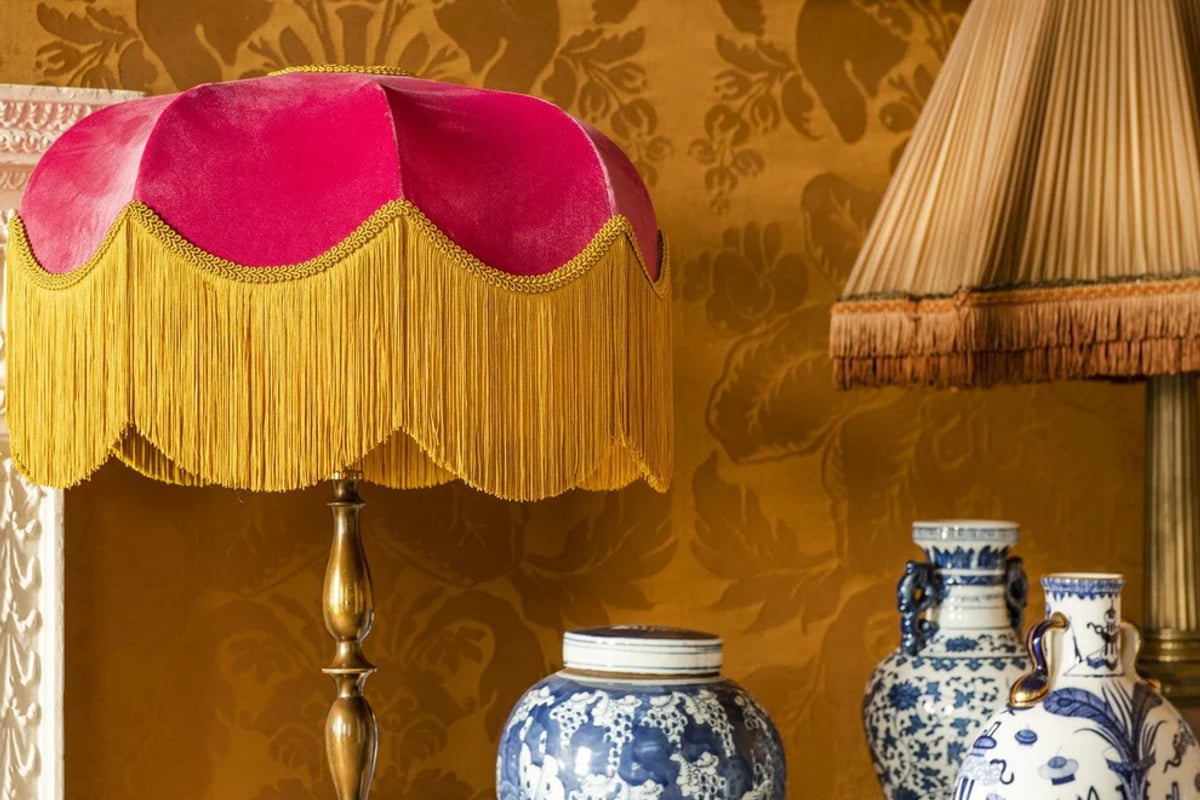
Those interested in how bespoke lampshades can enhance their contemporary lighting might explore handmade lampshades that combine traditional craftsmanship with modern aesthetics. These artisanal pieces bring character and individuality that mass-produced alternatives cannot match, elevating both lamp and table into something truly distinctive.
Bulb Selection and Lighting Technology
Contemporary lamp tables benefit from modern lighting technology that balances energy efficiency with quality illumination. LED bulbs now offer colour temperatures and dimming capabilities previously requiring incandescent sources, consuming fraction of the energy whilst lasting years longer.
Colour temperature significantly impacts ambience. Warm white bulbs (2700-3000K) create inviting, relaxed atmospheres suited to living spaces and bedrooms, whilst cooler temperatures (3500-4000K) provide clarity for task-oriented activities including reading or detailed work.
Dimmable installations offer maximum flexibility, allowing light levels adjusted to activity and time of day. Morning reading might require full brightness, whilst evening relaxation benefits from subdued illumination that maintains atmosphere without overwhelming.
Style Variations Within Contemporary Design
The contemporary aesthetic encompasses considerable diversity, from minimalist Scandinavian influences to warmer, material-rich interpretations. Understanding these variations helps identify contemporary lamp tables aligned with personal taste and existing interiors.
Minimalist Contemporary
Stripped to essentials, minimalist contemporary lamp tables feature clean lines, restrained ornamentation and carefully considered proportions. Materials typically include pale woods, glass or light-coloured metals that maintain visual lightness. These pieces disappear into their surroundings whilst providing necessary functionality, ideal for spaces where architectural features or artwork demand primary attention.
Industrial Contemporary
Drawing from warehouse and factory aesthetics, industrial contemporary lamp tables incorporate raw materials including exposed metal, reclaimed wood and unfinished surfaces. These pieces introduce textural richness and character, particularly effective in urban lofts or spaces embracing authentic, utilitarian design languages.
Warm Contemporary
Balancing modern sensibilities with inviting warmth, this approach favours natural wood tones, organic shapes and tactile finishes. Contemporary lamp tables in this category might feature solid oak with visible grain, walnut with rich colouring or mixed materials that introduce variation without visual chaos. These pieces suit British interiors particularly well, where tradition and modernity coexist comfortably.
Transitional Contemporary
Bridging traditional and modern design, transitional pieces reference classical forms through updated lenses. A contemporary lamp table might employ traditional turned legs in simplified profiles, or combine marble tops with streamlined bases that nod to historical precedents whilst remaining distinctly modern. This versatility makes transitional pieces adaptable across diverse interior schemes.
Investment and Value Considerations
Quality contemporary furniture represents investment meriting careful consideration. Price ranges vary enormously, from accessible mass-market options to bespoke artisan pieces commanding premium prices. Understanding what drives these differences helps make informed decisions aligned with budget and requirements.
Construction quality forms the foundation of value. Solid wood beats veneered particleboard categorically, offering durability, repairability and aesthetic improvement over time. Similarly, properly welded metal joints outlast bolted assemblies, whilst hand-applied finishes generally exceed spray-applied alternatives in depth and character.
Design pedigree influences pricing, with pieces by recognised designers or established manufacturers commanding premiums. However, excellent contemporary lamp tables exist at various price points, with lesser-known makers often delivering outstanding quality and design at accessible costs.
Value indicators include:
- Solid construction with quality joinery
- Timeless design transcending fleeting trends
- Appropriate materials honestly applied
- Finishes applied with care and attention
- Stability and functionality meeting daily demands
- Aesthetic appeal improving rather than diminishing over time
For those seeking quality furniture with transparent pricing and flexible payment options, Noble & Nook offers curated contemporary pieces backed by free UK mainland shipping and payment flexibility through Klarna or PayPal.
Maintaining Your Contemporary Lamp Table
Proper care ensures contemporary lamp tables maintain their beauty and functionality across decades of service. Maintenance requirements vary by material, though all benefit from gentle, regular attention preventing issues before they develop.
Material-specific care:
- Solid wood: Dust regularly with soft cloth; apply furniture oil or wax seasonally; address spills immediately; avoid harsh chemicals or abrasive cleaners
- Marble: Seal regularly per manufacturer guidelines; clean with pH-neutral products; blot rather than wipe spills to prevent spreading; use coasters and mats protecting from acids and stains
- Metal: Dust with microfibre cloth; avoid abrasive materials scratching finishes; polish occasionally with appropriate metal cleaner; address any corrosion promptly
- Glass: Clean with glass cleaner and lint-free cloth; handle carefully preventing chips; check hardware connections ensuring stability
Preventative measures protect investments most effectively. Coasters prevent water rings, felt pads cushion decorative objects that might scratch surfaces, and positioning tables away from direct sunlight prevents fading and heat damage.
A contemporary lamp table merges practical lighting with considered design, offering versatility across multiple room types whilst maintaining the refined aesthetics that define modern British interiors. Whether seeking minimalist forms, warm natural materials or sculptural statements, the contemporary approach prioritises quality, proportion and timeless appeal over transient trends. At Noble & Nook, discover thoughtfully curated furniture and lighting designed to elevate your home, with free UK mainland delivery and flexible payment options ensuring your perfect pieces arrive without compromise.