

Tall wooden table lamps have become essential design elements in contemporary British homes, offering a unique combination of practical illumination and organic warmth that shorter fixtures simply cannot replicate. These elevated lighting pieces bring vertical interest to console tables, bedside cabinets and sideboards whilst delivering ambient light at precisely the right height for reading, working or creating atmospheric evening settings. As homeowners increasingly seek sustainable materials and biophilic design principles, the natural grain patterns and tactile qualities of wooden lamp bases provide an authentic connection to nature that complements both minimalist Scandinavian aesthetics and traditional country house interiors.
The Enduring Appeal of Wood in Modern Lighting Design
The resurgence of natural materials in interior design has placed wooden lighting fixtures firmly at the forefront of 2026 trends. Unlike metal or ceramic alternatives, wood brings inherent warmth and character that softens modern spaces whilst adding depth to traditional schemes.
Danish design principles have long championed the use of wood in lighting, with pioneers like Poul Henningsen demonstrating how natural materials can marry functionality with timeless aesthetics. This philosophy continues to influence contemporary lamp design, where the visible grain patterns and organic irregularities of wood create unique pieces that evolve with age.
Material Varieties and Their Distinctive Characteristics
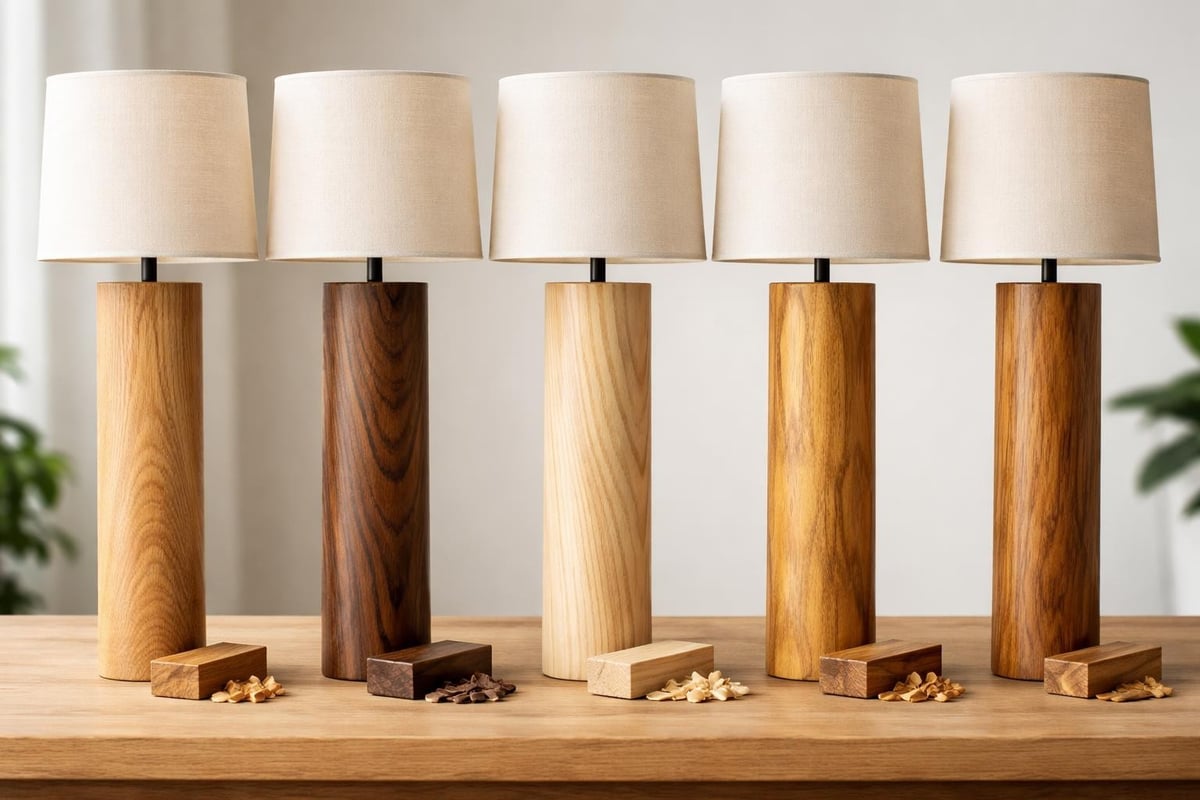
Different wood species deliver markedly different visual and textural qualities:
- Oak: Dense grain patterns and golden undertones that deepen over time
- Walnut: Rich chocolate tones with dramatic figuring
- Ash: Light, neutral palette with pronounced grain structure
- Mango wood: Sustainable hardwood with warm honey hues
- Teak: Natural oils provide water resistance and distinctive aroma
The choice of wood directly influences both the aesthetic impact and practical longevity of tall wooden table lamps. Hardwoods typically offer superior durability and resistance to warping, whilst softer woods can be shaped into more sculptural forms.
Height Considerations and Spatial Impact
The defining characteristic of tall wooden table lamps lies in their vertical proportions, typically ranging from 60cm to 90cm in overall height. This extended reach creates entirely different lighting dynamics compared to standard table lamps.
Taller fixtures position the light source closer to eye level when seated, reducing glare whilst providing more even illumination across reading materials or work surfaces. According to Australian interior design trends, tall lamps contribute to layered lighting schemes that create depth and visual interest throughout contemporary spaces.
Proportional Harmony in Different Room Settings
| Room Type | Recommended Height | Ideal Placement | Key Benefits |
|---|---|---|---|
| Living Room | 70-90cm | Console tables, sideboards | Statement pieces, ambient lighting |
| Bedroom | 60-75cm | Bedside cabinets | Reading light, bedside functionality |
| Study | 65-80cm | Desk corners, credenzas | Task lighting, visual balance |
| Hallway | 75-90cm | Console tables, entryway furniture | Welcoming illumination, vertical interest |
Proper scale relationships ensure tall wooden table lamps enhance rather than overwhelm their surroundings. In living rooms, positioning these fixtures on console tables creates symmetrical focal points that draw the eye upward whilst maintaining functional floor space.
Design Styles and Contemporary Applications
Contemporary tall wooden table lamps span an impressive range of aesthetic expressions, from minimalist Scandinavian forms to rustic farmhouse designs and mid-century modern classics.
Scandinavian Minimalism
Clean lines, light wood tones and functional simplicity define this enduring style. Nordic-style interiors frequently incorporate stacked wood table lamps that emphasise natural textures through unadorned surfaces and organic forms. These designs typically feature pale ash or beech bases paired with neutral linen or cotton shades.
The emphasis on negative space and restraint allows the wood grain itself to become the primary decorative element, creating visual interest through subtle variations in tone and texture rather than ornate embellishment.
Mid-Century Modern Interpretations
Characterised by tapered legs, geometric shapes and warm walnut or teak finishes, mid-century designs bring nostalgic sophistication to contemporary interiors. These pieces often incorporate brass or copper accents that complement the wood tones whilst adding metallic contrast.
The sculptural quality of mid-century tall wooden table lamps makes them ideal as standalone accent pieces that command attention even when unlit. Their balanced proportions work particularly well in living room settings where they can anchor seating arrangements or define conversational zones.
Rustic and Industrial Fusion
Reclaimed wood bases combined with Edison-style bulbs and minimal shades create an industrial aesthetic that celebrates raw materials and visible construction. These designs often feature:
- Chunky, substantial bases with natural edges
- Distressed finishes highlighting wood character
- Exposed hardware and visible joinery
- Oversized proportions for dramatic impact
Technical Specifications and Functional Features
Modern tall wooden table lamps incorporate sophisticated technical features that extend well beyond simple on-off switches. Understanding these capabilities helps match fixtures to specific functional requirements.
Smart Integration and Dimming Technologies
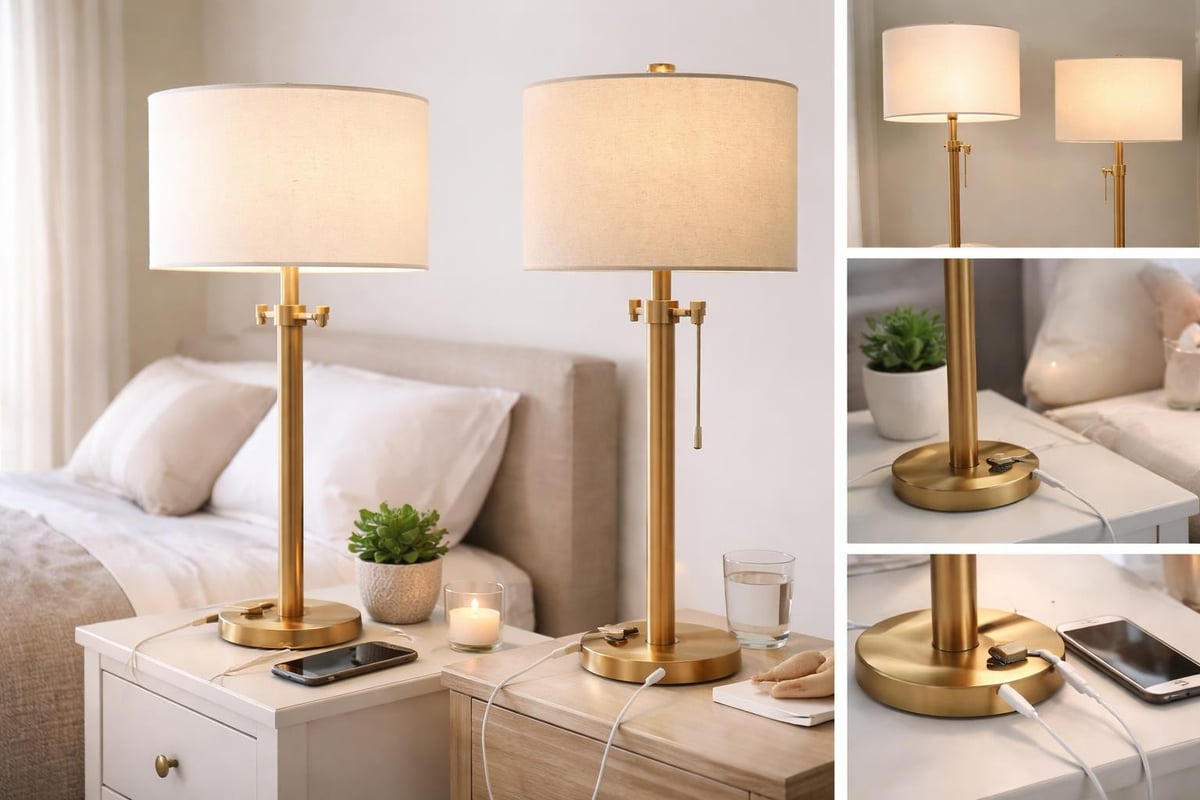
Advanced wooden lamps now frequently include smart dimming capabilities, USB charging ports and voice control compatibility. These features transform traditional wooden fixtures into multifunctional devices that respond to contemporary lifestyle needs whilst maintaining classic aesthetics.
Touch-sensitive controls integrated seamlessly into wooden bases eliminate the need for visible switches, preserving clean lines whilst offering intuitive operation. Gradual dimming capabilities allow precise control over ambiance, transitioning from bright task lighting to subtle mood illumination.
Shade Selection and Light Quality
The shade selection profoundly influences both the quality and direction of light output. Common configurations include:
| Shade Type | Light Distribution | Best Applications | Aesthetic Impact |
|---|---|---|---|
| Drum shade | Even 360° spread | Ambient lighting, living rooms | Contemporary, clean |
| Empire shade | Directed downward | Reading, task lighting | Traditional, elegant |
| Cylinder shade | Focused vertical | Accent lighting, displays | Modern, architectural |
| Tapered shade | Balanced distribution | Multi-purpose spaces | Versatile, classic |
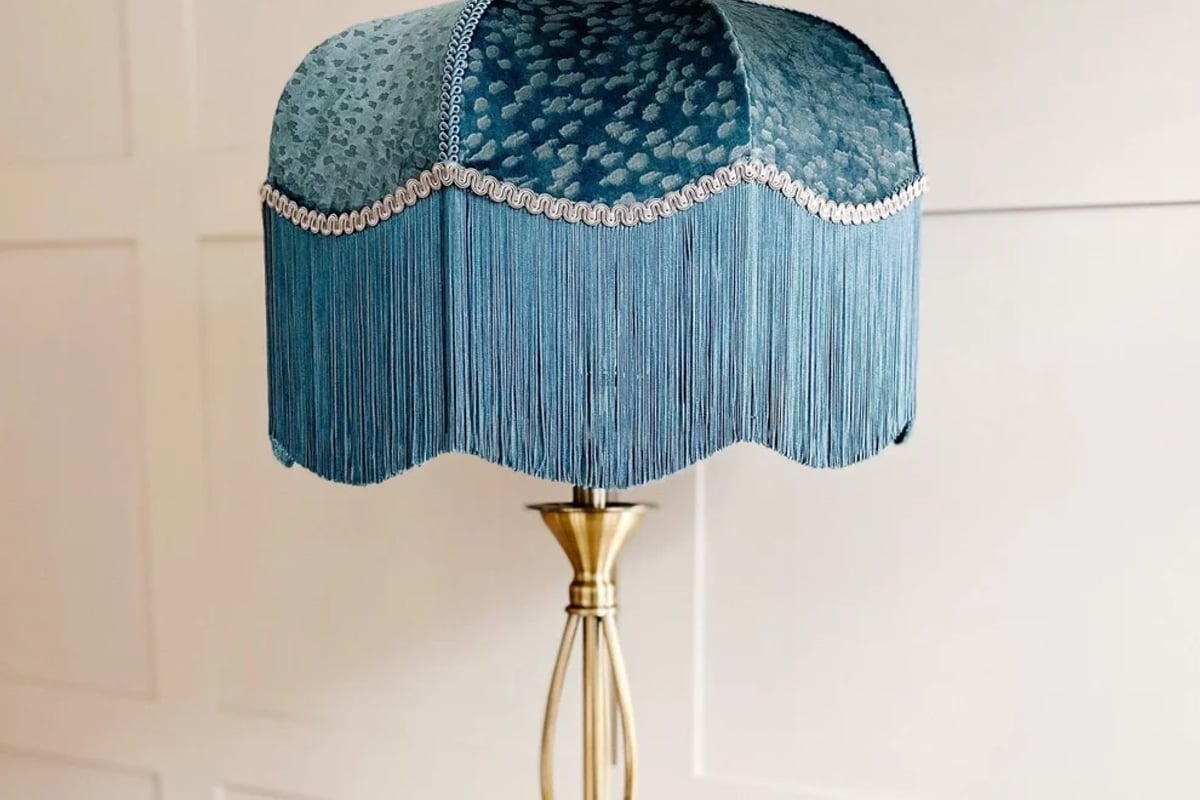
Handmade lampshades offer exceptional quality and unique character that complements the natural beauty of wooden bases. Crafted with attention to detail and premium materials, these shades elevate the entire fixture from functional necessity to artisanal centrepiece.
Placement Strategies for Maximum Impact
Strategic positioning transforms tall wooden table lamps from mere light sources into architectural elements that define spatial character and circulation patterns.
Symmetrical Arrangements
Flanking sofas, beds or console tables with matching tall wooden table lamps creates formal symmetry that brings order and elegance to interiors. This classical approach works particularly well in traditional schemes where balanced composition reinforces period authenticity.
However, perfect symmetry requires careful attention to scale. Lamps must be proportionate to the furniture width, typically no wider than one-third of the table or cabinet surface to maintain visual harmony.
Asymmetrical Compositions
Contemporary interiors increasingly favour asymmetrical lighting arrangements that create visual tension and dynamic interest. Pairing a tall wooden table lamp with lower accent pieces or grouping multiple heights generates layered compositions that feel organic rather than formulaic.
This approach demands confidence and spatial awareness, as successful asymmetry appears intentional rather than accidental. Anchoring arrangements around odd numbers (three or five elements) typically produces more pleasing results than even groupings.
Functional Zones and Task Lighting
In bedroom settings, tall wooden table lamps positioned on bedside tables provide essential reading light whilst contributing to the room's overall aesthetic narrative. The elevated light source reduces harsh shadows on reading materials and creates a cocoon of illumination that supports relaxation without disturbing sleeping partners.
Similarly, study areas benefit from tall lamps positioned at desk corners, where they deliver ample task lighting without occupying valuable work surface area. The vertical orientation keeps the light source above monitor height, reducing screen glare whilst illuminating keyboard and documents.
Maintenance and Longevity Considerations
Proper care ensures tall wooden table lamps maintain their beauty and functionality across decades of use. Wood requires different maintenance protocols than metal or ceramic alternatives.
Cleaning and Surface Protection
Regular dusting with soft microfibre cloths prevents particle accumulation that can scratch finishes over time. For deeper cleaning:
- Disconnect from power and allow bulbs to cool completely
- Wipe wooden surfaces with barely damp cloth
- Dry immediately with clean, dry cloth
- Apply furniture wax or wood oil annually to nourish timber
- Check electrical connections and cords for wear
Avoid harsh chemical cleaners or excessive moisture, which can damage finishes and penetrate wood grain, causing warping or discolouration.
Addressing Environmental Factors
Wood responds to environmental conditions, expanding in humid conditions and contracting in dry atmospheres. Maintaining consistent temperature and humidity levels prevents cracking and joint separation.
Position tall wooden table lamps away from:
- Direct sunlight that can fade finishes
- Heating vents causing rapid drying
- High-humidity areas like bathrooms
- Windowsills prone to condensation
Styling Combinations and Complementary Elements
Tall wooden table lamps achieve their full potential when integrated thoughtfully within broader decorative schemes that reinforce their natural qualities.
Textile Coordination
Natural fabrics echo the organic character of wooden lamp bases. Linen, cotton, jute and wool shades harmonise particularly well with wood tones, creating cohesive compositions rooted in sustainable materials.
Pattern selection should consider the wood grain as a textural element in its own right. Busy patterns can compete with dramatic figuring in walnut or oak, whilst simpler weaves allow the wood to take centre stage.
Surface Styling and Vignette Creation
The area surrounding tall wooden table lamps offers opportunities for curated displays that enhance their impact. Effective vignettes typically include:
- Books stacked to create varied heights
- Natural elements like branches, stones or shells
- Small sculptural objects providing contrast
- Framed photographs adding personal narrative
- Decorative bowls or trays corralling smaller items
Avoid overcrowding, which diminishes the lamp's presence. Allow breathing room around the base whilst creating visual connection through colour, texture or thematic elements.
Historical Context and Design Evolution
Understanding the evolution of wooden lighting design provides context for contemporary interpretations and helps identify authentic period pieces versus modern reproductions.
The use of wood in lamp construction dates to pre-electric eras when oil lamp bases required stable, non-conductive materials. Early wooden table lamps featured turned spindles and classical proportions reflecting furniture design conventions of their periods.
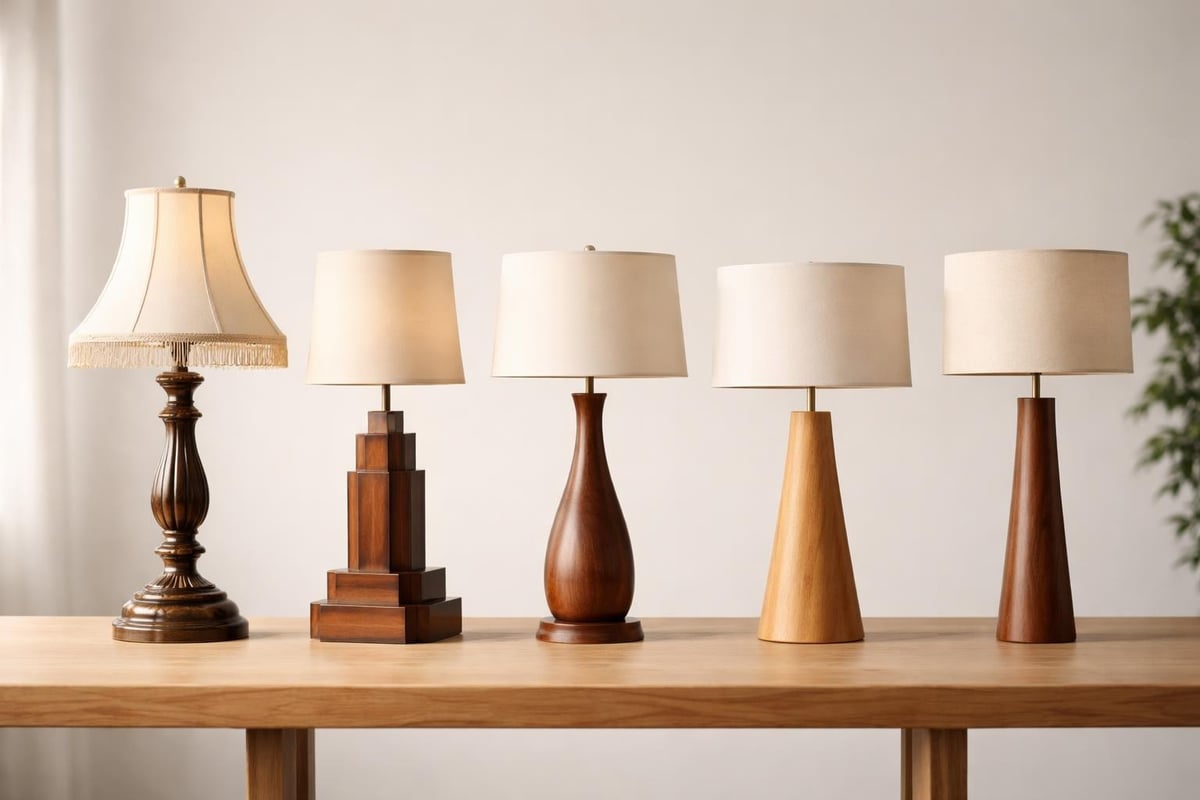
The Arts and Crafts movement championed visible craftsmanship and natural materials, producing hand-carved wooden lamps that celebrated joinery and wood character. These principles influenced later Scandinavian designers who refined proportions whilst maintaining reverence for material authenticity.
Mid-20th century innovations in lighting technology enabled slimmer profiles and more sculptural forms, as designers experimented with laminated wood construction and organic shapes impossible with traditional joinery methods.
Sustainability and Ethical Sourcing
Growing environmental awareness has elevated the importance of sustainable materials and ethical production practices in lighting design. Tall wooden table lamps offer inherent sustainability advantages when sourced responsibly.
Certification and Material Traceability
Reputable manufacturers provide transparency regarding wood origins and harvesting practices. Key certifications include:
- FSC (Forest Stewardship Council): Ensures responsible forest management
- PEFC (Programme for the Endorsement of Forest Certification): Promotes sustainable forestry
- Rainforest Alliance: Protects ecosystems and communities
Reclaimed and salvaged wood provides the most sustainable option, repurposing timber that would otherwise become waste whilst delivering unique character through weathering and patina.
Carbon Footprint and Local Production
Wood stores carbon throughout its lifetime, making wooden lamps carbon-negative when sourced from managed forests. Choosing locally produced fixtures further reduces environmental impact by minimising transportation distances.
British-made tall wooden table lamps support domestic craft traditions whilst ensuring compliance with rigorous safety and quality standards. The ability to visit workshops or showrooms provides confidence in construction methods and material quality.
Investment Value and Quality Indicators
Distinguishing well-crafted tall wooden table lamps from mass-produced alternatives requires attention to construction details and material quality. Several indicators reveal the level of craftsmanship:
Construction Quality Markers
- Joint integrity: Mortise-and-tenon or dowel joints superior to glued connections
- Finish quality: Smooth, even coating without drips or bubbles
- Hardware: Substantial, well-fitted components with secure attachment
- Weight: Solid wood bases provide stability lacking in hollow constructions
- Grain matching: Careful selection and alignment in multi-piece bases
Premium fixtures typically feature hand-rubbed finishes that enhance wood depth and provide superior protection compared to spray-applied coatings.
Electrical Components and Safety
Quality tall wooden table lamps incorporate electrical components meeting rigorous safety standards. UK-compliant fixtures display appropriate certification and include features like:
- Heat-resistant wiring with adequate insulation
- Properly earthed connections for metal components
- Strain relief preventing cord damage
- Stable bases preventing tip hazards
- Compatible bulb specifications clearly marked
Investing in quality construction ensures decades of reliable service whilst providing reassurance regarding fire safety and electrical hazards.
Creating Cohesive Lighting Schemes
Tall wooden table lamps function most effectively as components within layered lighting strategies that address multiple illumination needs and create dimensional interest after dark.
The Three-Layer Approach
Successful lighting design incorporates ambient, task and accent layers working in concert:
Ambient lighting provides overall illumination through ceiling fixtures, establishing base light levels throughout spaces. This foundational layer enables safe navigation and general activities.
Task lighting delivers focused illumination for specific activities like reading, cooking or detailed work. Tall wooden table lamps excel in this role, positioning light sources at optimal heights for concentrated tasks.
Accent lighting highlights architectural features, artwork or decorative elements, creating visual hierarchy and focal points. Strategic placement of tall lamps can fulfill this function whilst contributing ambient light when task-specific illumination isn't required.
Colour Temperature Coordination
Ensuring consistent colour temperature across all light sources creates cohesive environments that feel intentional and comfortable. Warm white bulbs (2700-3000K) complement wood tones naturally, enhancing golden and honey hues whilst creating inviting atmospheres.
Mixing colour temperatures disrupts visual harmony and can make spaces feel disjointed or commercial. Coordinating all fixtures within a room to the same temperature range produces professional results that enhance rather than distract from decorative elements.
Tall wooden table lamps represent the intersection of functional necessity and artisanal craft, bringing warmth, character and practical illumination to every corner of contemporary British homes. Their natural materials, versatile heights and timeless aesthetics ensure they remain relevant across changing design trends whilst providing reliable service for decades. Whether you're seeking statement pieces for formal living spaces or functional bedside lighting with organic appeal, Noble & Nook offers curated collections of luxury lighting and quality home furnishings designed to elevate every room, all with free UK mainland delivery and flexible payment options through Klarna or PayPal.