

Choosing the right room lamps transforms how you experience your home, shaping atmosphere, functionality and visual appeal across every interior space. As we move through 2026, lighting has evolved beyond simple illumination to become a cornerstone of thoughtful interior design. Whether you're refreshing a single room or reimagining your entire home, understanding how lamps contribute to layered lighting schemes helps you create environments that balance beauty with practical comfort. From table lamps that anchor bedside surfaces to floor lamps that define reading nooks, the right selections enhance both form and function throughout your living spaces.
Understanding the Three Essential Lighting Layers
Effective room lighting relies on three distinct layers working in harmony: ambient, task and accent illumination. Each layer serves a specific purpose within your interior scheme.
Ambient lighting forms the foundation, providing overall illumination that allows comfortable movement throughout a space. Ceiling fixtures typically deliver this base layer, but floor lamps with upward-facing shades can supplement ambient light in rooms where overhead options prove limited.
Task lighting addresses specific activities requiring focused illumination. Reading, working at a desk, preparing meals or applying makeup all demand concentrated light directed precisely where needed. Room lamps excel in this category, offering adjustable, localised brightness that ceiling fixtures cannot match.
Accent lighting adds visual interest and depth, highlighting architectural features, artwork or decorative elements. Table lamps positioned on sideboards or consoles can create pools of light that draw attention to curated displays whilst adding warmth to your interior palette.
According to lighting experts, every room should incorporate all three layers to achieve optimal functionality and atmosphere. Room lamps play crucial roles across task and accent categories, making them indispensable elements in well-designed interiors.
Why Room Lamps Matter More Than Overhead Fixtures Alone
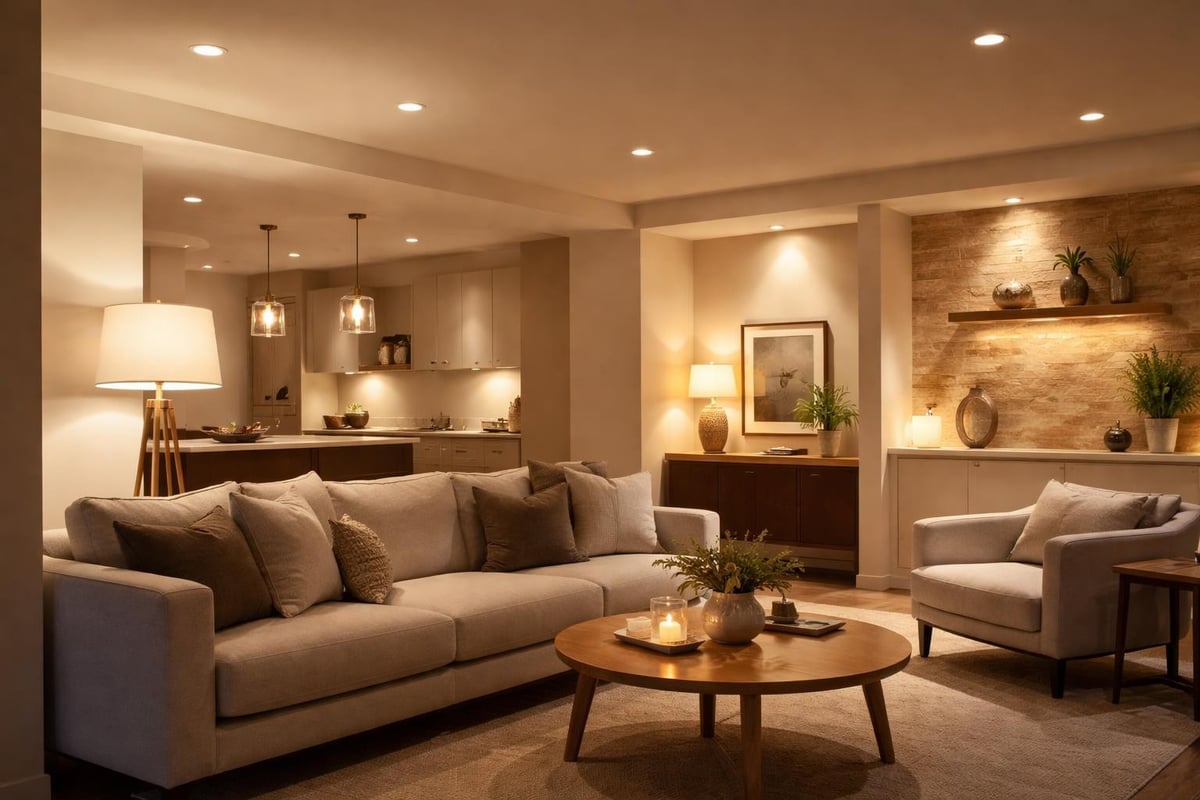
Relying solely on ceiling lights creates flat, uninviting spaces that lack visual depth and character. Room lamps introduce multiple light sources at varying heights, establishing dimension and visual interest that single overhead fixtures cannot achieve.
This layered approach offers practical benefits beyond aesthetics:
- Flexibility: Lamps allow you to adjust lighting levels for different activities and times of day
- Energy efficiency: Illuminate only the areas you're using rather than entire rooms
- Mood control: Create intimate, relaxed atmospheres or bright, energising environments as needed
- Visual warmth: Multiple light sources at lower heights feel more welcoming than stark overhead illumination
The right lighting choices for reading and relaxation demonstrate how thoughtfully positioned lamps transform functional spaces into comfortable retreats.
Selecting Room Lamps for Different Interior Spaces
Each room in your home presents unique lighting requirements shaped by activities, natural light availability and design preferences. Matching lamp styles and functions to these specific needs ensures both practical utility and cohesive aesthetics.
Living Room and Lounge Areas
Living spaces demand versatile lighting that accommodates multiple activities, from entertaining guests to quiet evenings with a book. Floor lamps positioned beside armchairs provide essential task lighting for reading, whilst table lamps on side tables or consoles add ambient warmth throughout the room.
Consider these approaches for living room illumination:
- Arc floor lamps that curve over seating areas, delivering overhead-style light without ceiling installation
- Tripod floor lamps with adjustable heads for flexible task lighting
- Matching table lamp pairs on either side of sofas or flanking fireplaces for balanced symmetry
- Statement floor lamps that serve as sculptural elements whilst providing functional illumination
When selecting room lamps for lounges, lighting design experts recommend choosing pieces that complement your existing furniture whilst offering adequate brightness for diverse activities. The Noble & Nook collection includes thoughtfully curated table lamps designed to enhance contemporary and traditional British interiors with quality craftsmanship and enduring appeal.
| Living Room Lamp Type | Primary Function | Ideal Placement | Style Considerations |
|---|---|---|---|
| Arc floor lamp | Overhead-style task lighting | Behind seating areas | Modern, minimalist interiors |
| Tripod floor lamp | Adjustable task light | Corner positions, reading nooks | Contemporary, Scandi designs |
| Table lamp pairs | Ambient warmth, symmetry | Side tables, console tables | Traditional, balanced schemes |
| Statement floor lamp | Visual anchor, ambient light | Empty corners, beside fireplaces | Bold, artistic interiors |
Bedroom Lighting Solutions
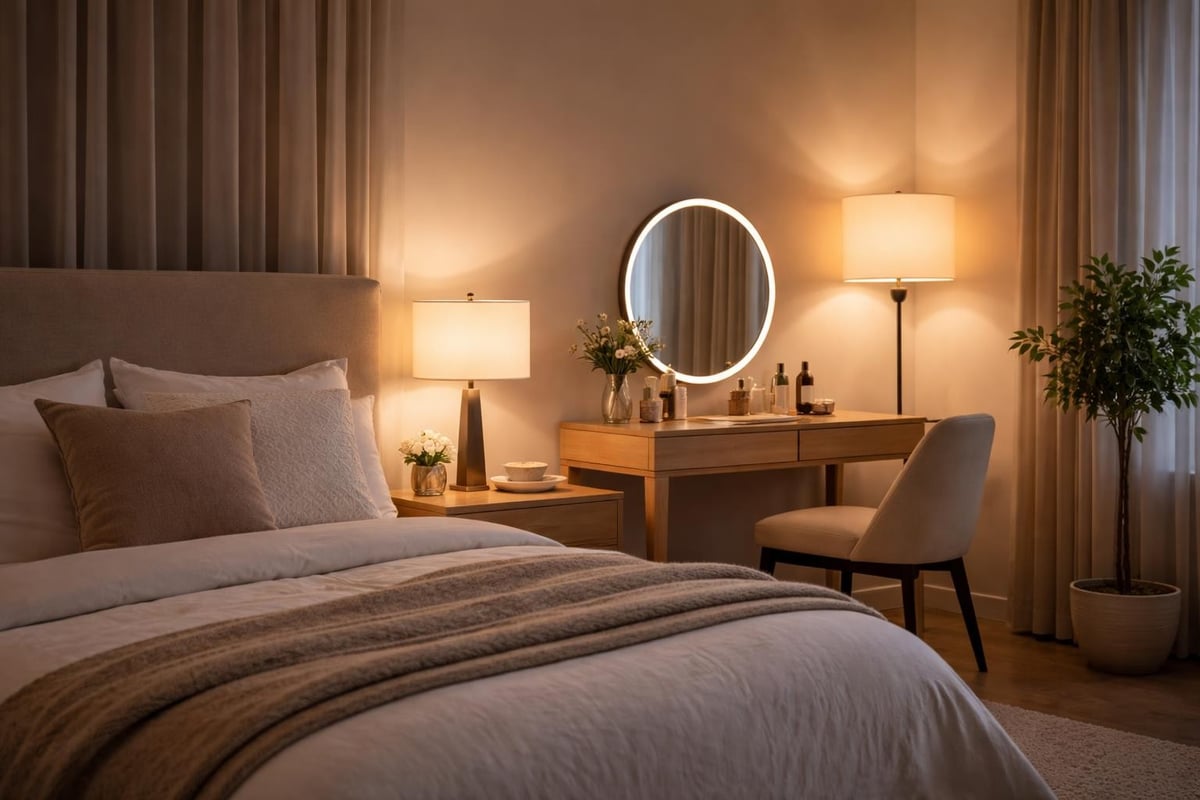
Bedrooms require gentle, adjustable lighting that supports relaxation whilst providing sufficient brightness for reading and dressing. Bedside table lamps remain essential, but layering additional light sources creates more versatile, comfortable environments.
Bedside configurations: Position lamps on both sides of the bed for balanced illumination. Choose styles with adjustable brightness or three-way bulbs that allow you to modify light levels for different activities.
Dressing areas: Table lamps or wall-mounted reading lights near dressing tables provide focused illumination for grooming routines without disturbing sleeping partners.
Ambient options: Floor lamps in bedroom corners deliver soft, indirect light that creates calming atmospheres perfect for unwinding before sleep.
Dining Room and Kitchen Spaces
Dining areas benefit from room lamps that supplement overhead fixtures, adding warmth and visual interest to meal settings. Buffet lamps or table lamps positioned on dining room sideboards create inviting pools of light that enhance the dining experience.
In kitchens, task lighting becomes paramount. Under-cabinet fixtures typically address food preparation needs, but table lamps in breakfast nooks or on kitchen islands add character whilst providing functional illumination for casual dining and homework sessions.
Home Office and Study Spaces
Dedicated work areas demand focused task lighting that reduces eye strain during extended computer use or detailed paperwork. Desk lamps with adjustable arms and brightness controls allow precise light positioning that adapts to specific tasks throughout the day.
Supplement task lighting with ambient floor lamps that illuminate the broader workspace, preventing the harsh contrast between bright desk areas and dim surroundings that contributes to visual fatigue.
Room Lamp Styles and Design Considerations
Contemporary room lamps span an impressive range of aesthetics, from minimalist Scandinavian designs to ornate traditional pieces. Selecting styles that harmonise with your existing décor whilst expressing your personal taste creates cohesive, visually satisfying interiors.
Modern and Contemporary Designs
Clean lines, geometric shapes and understated finishes characterise modern lamp designs suited to contemporary interiors. Materials like brushed metal, concrete bases and simple fabric shades deliver functional elegance without excessive ornamentation.
Key features:
- Minimalist silhouettes with streamlined proportions
- Matte black, brushed brass or polished chrome finishes
- Neutral fabric shades in linen or cotton
- Integrated LED technology for energy efficiency
These designs complement modern furnishings beautifully, maintaining visual simplicity whilst providing essential illumination.
Traditional and Classic Styles
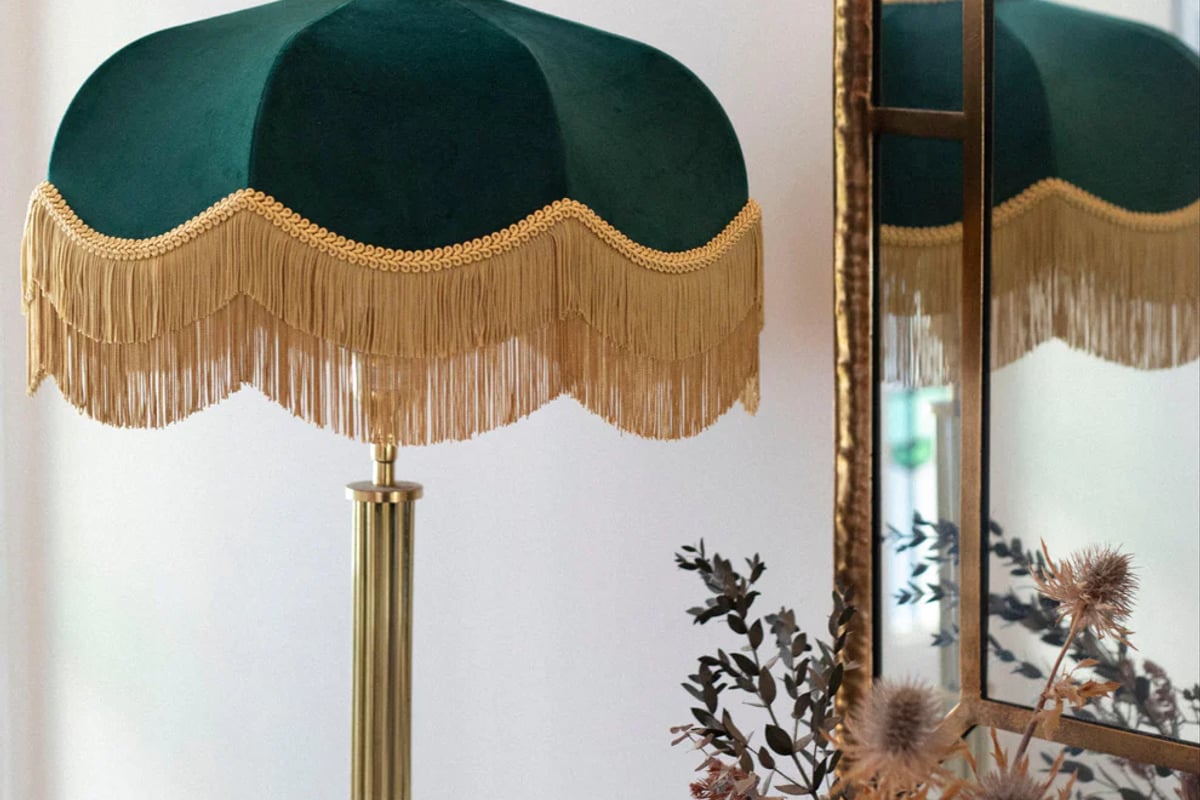
Traditional room lamps feature decorative bases, detailed finishes and classic proportions that suit period properties and heritage-inspired interiors. Ceramic bases with hand-painted details, turned wooden elements and pleated fabric shades evoke timeless elegance.
Consider traditional lamps for:
- Period properties with original architectural features
- Interiors incorporating antique or vintage furniture
- Formal dining rooms and traditional living spaces
- Bedrooms styled with classic furnishings
Pairing traditional lamps with quality lampshades enhances their visual impact significantly. Handmade lampshades crafted with attention to detail bring warmth and sophistication to interiors, drawing inspiration from Art Deco elegance whilst complementing both modern and traditional British homes.
Transitional and Eclectic Approaches
Transitional designs bridge modern and traditional aesthetics, combining classical proportions with contemporary finishes. These versatile pieces adapt beautifully across diverse interior schemes, making them practical choices for evolving homes.
Eclectic interiors benefit from room lamps that express personality and creative vision. Sculptural bases, unexpected materials and artistic forms become conversation pieces whilst fulfilling practical lighting needs.
| Design Style | Defining Characteristics | Best Suited For | Material Preferences |
|---|---|---|---|
| Modern | Clean lines, minimal ornamentation | Contemporary apartments, minimalist homes | Metal, concrete, simple fabrics |
| Traditional | Decorative details, classic proportions | Period properties, formal spaces | Ceramic, wood, pleated shades |
| Transitional | Blended aesthetics, versatile forms | Adaptable interiors, mixed-period homes | Varied materials, neutral finishes |
| Eclectic | Unique shapes, artistic expression | Creative, personalised interiors | Unexpected materials, bold colours |
Practical Considerations When Choosing Room Lamps
Beyond aesthetic appeal, several practical factors influence lamp selection and placement. Understanding these elements ensures your choices deliver both visual satisfaction and functional performance.
Scale and Proportion
Room lamps must relate appropriately to surrounding furniture and architectural features. Oversized lamps overwhelm small spaces, whilst diminutive fixtures disappear in large rooms.
Table lamp sizing: The shade bottom should sit roughly at eye level when seated. For bedside tables, lamp heights typically range between 60-70cm to the shade bottom, whilst living room table lamps may reach 75-85cm depending on surface heights.
Floor lamp proportions: Standard floor lamps stand approximately 150-180cm tall, positioning light sources at useful heights for reading and ambient illumination. Arc lamps extend higher, typically reaching 200-210cm at their highest points.
Bulb Selection and Light Quality
Modern lighting technology offers diverse bulb options affecting both energy consumption and light quality. LED bulbs dominate the market in 2026, delivering exceptional efficiency and longevity whilst offering warm, neutral or cool colour temperatures.
Colour temperature guidance:
- 2700K-3000K (Warm White): Creates cosy, intimate atmospheres ideal for bedrooms and living rooms
- 3500K-4000K (Neutral White): Provides balanced illumination suited to kitchens, bathrooms and home offices
- 5000K+ (Cool White): Delivers bright, energising light for task-intensive areas
For rooms requiring adjustable ambiance, consider smart bulbs with dimming capabilities and colour temperature controls. These technologies allow you to modify lighting moods throughout the day without changing physical fixtures.
Shade Materials and Light Diffusion
Lampshade materials dramatically influence light distribution and room atmosphere. Understanding these effects helps you select shades that complement specific lighting goals.
- Fabric shades: Diffuse light softly, creating warm, ambient illumination ideal for bedrooms and living spaces
- Paper shades: Provide gentle diffusion with slightly cooler light quality suited to contemporary aesthetics
- Metal shades: Direct light downward or in specific directions, excellent for task lighting applications
- Glass shades: Offer clear illumination with minimal diffusion, appropriate for decorative lamps where bulb visibility enhances design
Lighter shade colours allow more light transmission, whilst darker tones create dramatic, focused illumination with reduced ambient spread.
Placement Strategies for Maximum Impact
Strategic lamp placement maximises both functional illumination and aesthetic contribution. These positioning principles help you create balanced, well-lit interiors.
Creating Conversational Groupings
In living rooms, position lamps to define conversational areas and provide adequate light for all seating positions. Flanking sofas with matching table lamps or positioning floor lamps behind chairs ensures everyone enjoys comfortable illumination during social gatherings.
Avoid placing all light sources on one side of the room, which creates unbalanced illumination and awkward shadows. Distribute lamps throughout the space, establishing multiple pools of light that overlap slightly for even coverage.
Layering Heights and Intensities
Vary lamp heights and brightness levels throughout rooms to create visual interest and functional flexibility. Combine tall floor lamps with medium-height table lamps and lower accent lights for dimensional lighting schemes that feel professionally designed.
This approach aligns with expert guidance on adding lighting to your home, which emphasises the importance of varied light sources in creating inviting, comfortable interiors.
Highlighting Focal Points
Use room lamps to draw attention to architectural features, artwork or decorative displays. Position table lamps on console tables beneath mirrors or artwork to create illuminated focal points that anchor room compositions.
Floor lamps beside fireplaces, architectural niches or statement furniture pieces establish visual hierarchy whilst contributing functional illumination to surrounding areas.
Maintaining and Updating Your Lighting Scheme
Room lamps require periodic maintenance and occasional updates to maintain optimal performance and aesthetic relevance. These practices ensure your lighting investment continues delivering value across years of use.
Regular Cleaning and Care
Dust accumulation on lampshades reduces light output and creates dingy appearances. Vacuum fabric shades gently using upholstery attachments, and wipe hard surfaces with slightly damp cloths monthly.
Check electrical cords and plugs regularly for wear or damage, replacing frayed components immediately to maintain safety. Tighten loose shade fittings and ensure bulbs sit securely in sockets.
Refreshing Existing Lamps
Rather than replacing entire lamps, consider updating shades to refresh your lighting scheme economically. New shades in current colours or patterns transform familiar bases, allowing you to evolve your interior aesthetic without substantial investment.
For dated lamp bases in good condition, simple updates like new finial knobs or cleaned metalwork can extend their useful life considerably. Many traditional lamp forms possess enduring appeal that transcends temporary design trends.
When to Replace Versus Refresh
Replace lamps when:
- Electrical components show signs of deterioration or safety concerns
- Bases suffer structural damage affecting stability
- Styles clash dramatically with evolved interior schemes
- Functional requirements change significantly
Refresh existing lamps when:
- Bases remain structurally sound with timeless designs
- Simple shade updates would align with current décor
- Sentimental or quality considerations warrant preservation
- Budget constraints favour economical updates
Shopping Considerations and Investment Guidance
Quality room lamps represent meaningful investments in your home's comfort and aesthetic appeal. These considerations guide smart purchasing decisions that deliver lasting satisfaction.
Balancing Quality and Budget
Higher-quality lamps typically feature superior materials, better construction and more durable electrical components. Whilst premium options command higher prices, they often prove more economical long-term through extended lifespans and sustained aesthetic relevance.
For budget-conscious approaches, invest in quality pieces for high-use areas like reading nooks and beside seating, whilst selecting more economical options for decorative applications requiring less frequent use.
Evaluating Construction Quality
Examine these elements when assessing lamp quality:
- Base stability: Well-weighted bases prevent tipping, especially important for table lamps on frequently used surfaces
- Wiring and switches: Quality fixtures feature robust wiring with secure connections and smooth, reliable switches
- Finish durability: Superior finishes resist chipping, tarnishing or fading through regular use and cleaning
- Shade attachment: Secure, well-designed shade fittings maintain proper positioning and allow easy bulb changes
High-quality construction ensures room lamps maintain appearance and functionality through years of daily use, justifying higher initial investments.
Coordinating Across Rooms
Whilst matching lamp sets suit symmetrical applications, coordinating rather than matching creates more sophisticated, collected aesthetics. Select lamps sharing common elements like finish tones, material families or design eras whilst varying specific forms across different rooms.
This approach maintains visual cohesion throughout your home without creating monotonous uniformity. Professional design resources often recommend this balanced coordination strategy for polished, intentional interiors.
Emerging Trends in Room Lamp Design for 2026
Contemporary lamp design reflects evolving aesthetic preferences and advancing technology. Understanding current trends helps you select pieces that feel fresh and relevant whilst possessing enduring appeal.
Sustainable Materials and Production
Environmental consciousness increasingly influences lighting design, with manufacturers embracing recycled metals, sustainably harvested woods and organic fabrics. These eco-friendly materials deliver aesthetic appeal whilst aligning with values-driven purchasing decisions.
Look for certifications indicating sustainable forestry, recycled content percentages and low-impact production methods when selecting environmentally responsible room lamps.
Smart Integration and Connectivity
Smart home integration continues expanding across lighting categories. Room lamps with built-in smart capabilities or compatibility with existing home automation systems offer convenient voice control, scheduling and scene creation.
These features prove particularly valuable for:
- Bedside lamps that gradually brighten as morning alarms
- Reading lamps with circadian-friendly colour temperature adjustments
- Living room lamps integrated into entertainment lighting scenes
- Security applications simulating occupancy during absences
Sculptural Forms and Artistic Expression
Lamps increasingly function as sculptural elements that command attention even when unlit. Designers explore organic forms, unexpected materials and artistic silhouettes that blur boundaries between functional lighting and decorative art.
These statement pieces work beautifully in minimalist interiors where fewer, more impactful elements create visual interest without cluttering spaces.
Selecting and positioning room lamps thoughtfully transforms how you experience your home, creating layered illumination that balances practical function with atmospheric warmth. By understanding lighting principles, choosing appropriate styles and placing fixtures strategically, you establish comfortable, visually compelling interiors suited to diverse activities and moods. Noble & Nook offers carefully curated lighting collections alongside quality furniture and boutique décor designed to elevate every room in your home, with free UK mainland shipping and flexible payment options making it simple to create the spaces you've envisioned.