

Modern table design has evolved dramatically over recent years, transforming from purely functional pieces into statement elements that define interior spaces. Today's tables blend innovative materials, thoughtful proportions, and versatile functionality to meet the demands of contemporary living whilst maintaining aesthetic appeal. Whether you're furnishing a compact city flat or a spacious family home, understanding current design principles helps you select pieces that enhance both form and function.
The Foundation of Modern Table Design
Contemporary furniture aesthetics prioritise clean lines, honest materials, and purposeful design over ornamental excess. Modern table design embraces this philosophy through streamlined silhouettes that allow the inherent beauty of materials to take centre stage. Rather than hiding construction methods beneath veneers and embellishments, today's designers celebrate visible joinery, natural grain patterns, and structural honesty.
Key characteristics defining modern table aesthetics include:
- Geometric shapes with balanced proportions
- Minimal surface decoration
- Exposed material textures
- Functional design elements
- Visual lightness through slender legs or floating bases
- Neutral colour palettes with strategic accent tones
The shift towards modern table design reflects broader cultural changes in how we inhabit domestic spaces. As homes become multifunctional environments supporting work, dining, socialising, and relaxation, furniture must adapt accordingly. Tables now serve multiple roles throughout the day, demanding designs that transition seamlessly between purposes whilst maintaining visual coherence within curated interiors.
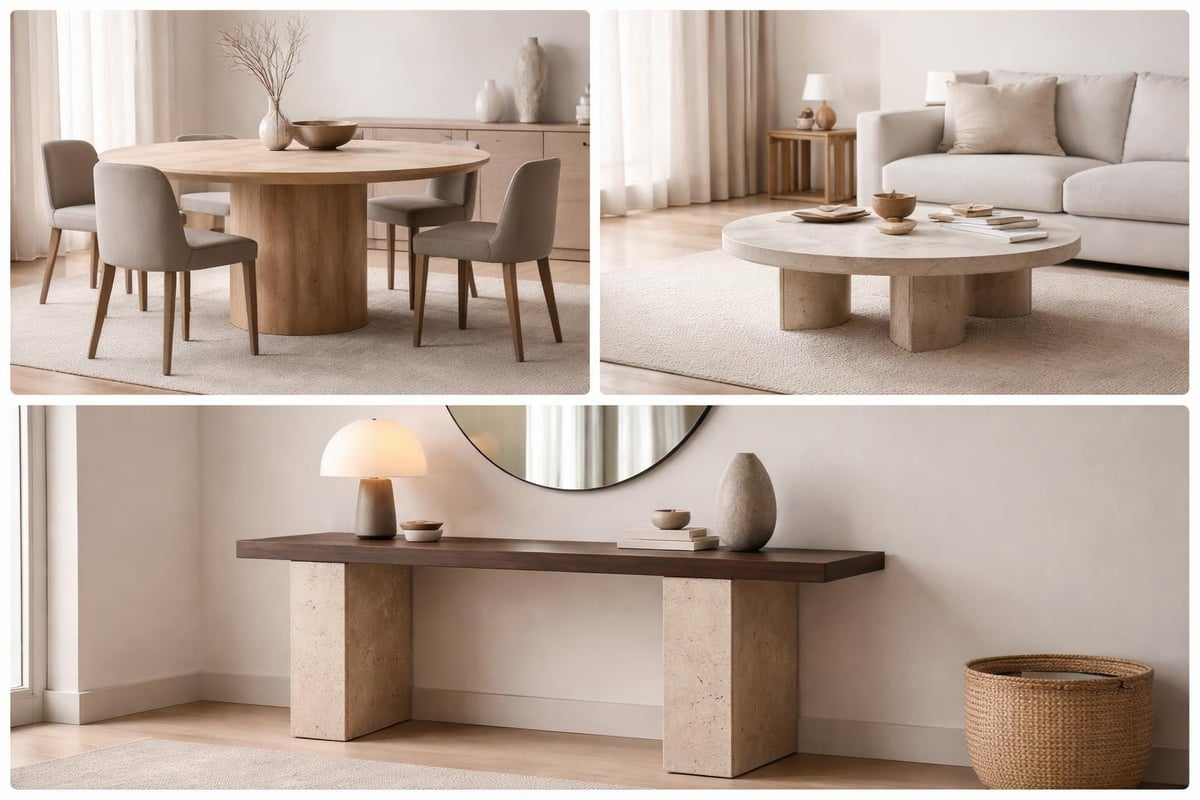
Material Innovation in Contemporary Tables
Material selection fundamentally shapes modern table design, with 2026 seeing continued interest in sustainable, tactile surfaces that age gracefully. Solid wood remains highly valued for its warmth and character, particularly oak, walnut, and ash varieties that showcase distinctive grain patterns. According to innovations in solid oak table designs, eco-friendly finishes and unique shapes are transforming traditional timber into contemporary statement pieces.
Sustainable Material Choices
Environmental consciousness influences material specifications across furniture sectors. Modern table design increasingly features:
| Material Type | Characteristics | Best Applications |
|---|---|---|
| Solid Oak | Durable, timeless grain, versatile staining | Dining tables, coffee tables, console tables |
| Reclaimed Wood | Unique patina, sustainable, character-rich | Statement coffee tables, rustic-modern hybrids |
| Metal Frameworks | Industrial aesthetic, structural strength | Table bases, mixed-material designs |
| Marble & Stone | Luxury finish, natural variation, substantial | Console tables, side tables, accent pieces |
| Glass Elements | Visual lightness, space-enhancing, contemporary | Coffee tables, display tables, compact spaces |
Mixed materials create visual interest whilst addressing practical considerations. A coffee table might combine a substantial wooden top with sleek metal legs, balancing warmth and industrial refinement. This approach aligns with modern dining table trends emphasising sculptural bases and material contrast.
Natural imperfections are celebrated rather than concealed. Live edge tables preserve the organic contour of tree trunks, bringing biophilic elements indoors whilst maintaining contemporary aesthetics. These pieces demonstrate how modern table design honours material origins whilst serving functional requirements.
Functional Versatility and Space Adaptation
Contemporary living demands furniture that adapts to changing needs and spatial constraints. Modern table design addresses this through modular systems, extendable mechanisms, and compact proportions suited to British homes where square footage commands premium value.
Multifunctional Design Solutions
Tables now incorporate clever features enhancing everyday usability:
- Extendable dining tables with hidden leaves that accommodate both intimate dinners and larger gatherings
- Nesting coffee tables offering flexible surface area that can be expanded or consolidated
- Console tables with storage providing display surfaces whilst concealing clutter in hallways or living spaces
- Height-adjustable designs transitioning between coffee table and dining configurations
- Integrated storage compartments maximising functionality without compromising clean lines
Research into market trends for 2025 table designs highlights growing preference for modular, adaptable pieces that respond to diverse lifestyle requirements. This flexibility proves particularly valuable in open-plan spaces where furniture must define zones whilst maintaining visual flow.
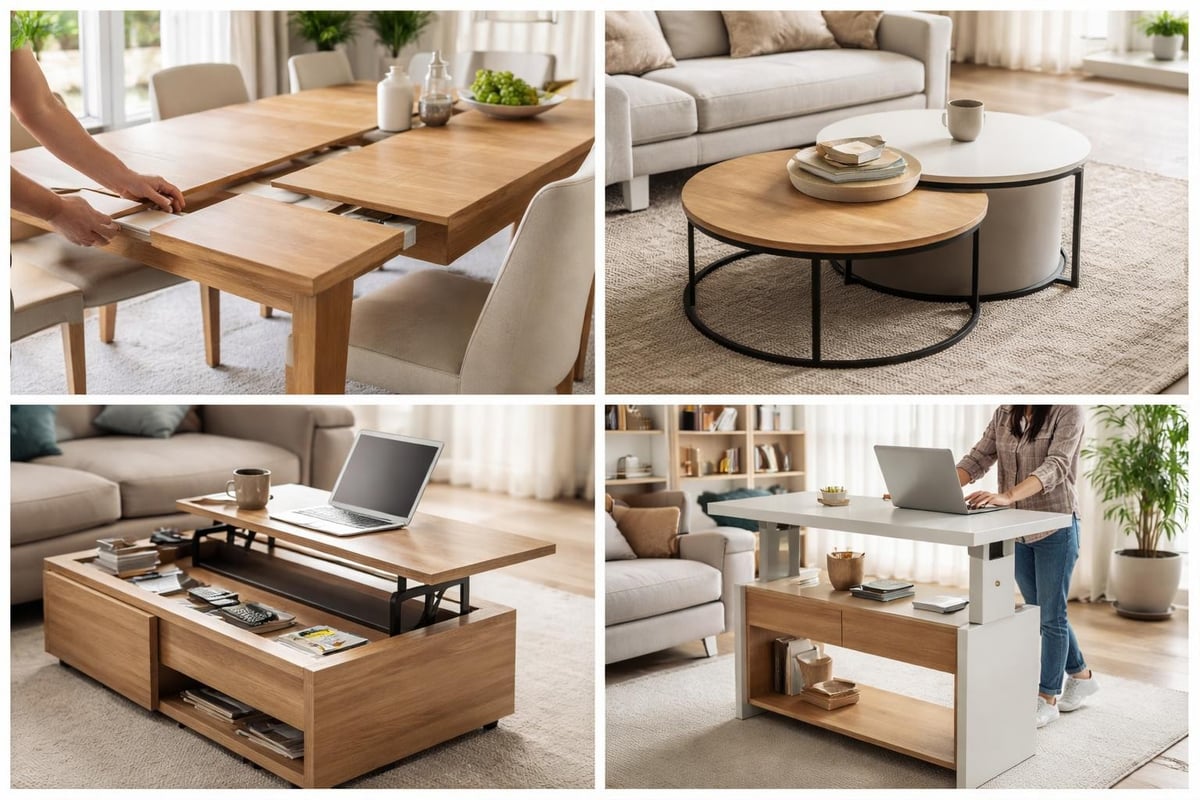
Space-saving proportions characterise modern table design for compact homes. Slender profiles, transparent materials, and wall-mounted options create functional surfaces without overwhelming rooms. End tables with minimal footprints provide essential surface area beside seating whilst maintaining spatial openness, demonstrating how thoughtful design reconciles practicality with aesthetic restraint.
Colour Palettes and Finish Selections
Modern table design typically employs restrained colour schemes that integrate seamlessly with diverse interior styles. Neutral foundations-natural wood tones, blacks, whites, greys-provide versatility, allowing tables to anchor spaces without dictating entire colour narratives.
Popular finish options include:
- Natural wood with clear protective sealants revealing grain
- Black stained timber creating dramatic contemporary statements
- White or light grey painted finishes for Scandinavian-inspired spaces
- Matte blacks and brushed metals offering industrial sophistication
- Polished marble and stone adding luxury textural interest
Whilst neutrals dominate, strategic colour application creates personality. A dining table in warm walnut tones might pair with upholstered chairs in deep jewel tones, allowing the table's natural beauty to ground bolder accent choices. This balanced approach reflects principles discussed in analyses of home décor trends for 2025, where maximalist elements combine with restrained foundations.
Surface finishes balance aesthetics with practicality. Matte treatments minimise fingerprints and scratches whilst maintaining contemporary appearance, particularly valuable for high-use surfaces like dining tables. Contrasting finishes within single pieces-perhaps a honed marble top on powder-coated steel legs-create visual interest through texture rather than colour alone.
Shape and Proportion in Contemporary Design
Geometric clarity defines modern table design, with shapes selected for both visual impact and functional efficiency. Rectangular tables remain popular for dining applications, maximising seating capacity along parallel sides. However, circular and oval options are gaining traction as designers recognise their social benefits and space-softening qualities.
Exploring Shape Variations
Different silhouettes suit specific applications and spatial contexts:
| Shape | Advantages | Ideal Uses |
|---|---|---|
| Rectangular | Maximum seating, wall-friendly, traditional | Dining rooms, conference spaces, console tables |
| Round | Equal access, conversation-friendly, softens angular rooms | Small dining areas, breakfast nooks, centre-focused layouts |
| Oval | Combines rectangular capacity with round flow | Medium dining spaces, family-oriented settings |
| Square | Symmetrical, intimate, space-defining | Compact dining, game tables, balanced room layouts |
| Irregular/Organic | Sculptural interest, unique character | Coffee tables, statement pieces, artistic interiors |
Proportional balance ensures tables feel appropriate within their environments. A dining table should allow comfortable chair placement with circulation space around the perimeter, typically requiring 90-120cm clearance. Coffee tables generally sit 40-45cm high, aligning with standard sofa seat heights whilst maintaining visual hierarchy within living spaces.
Scale considerations extend beyond measurements to visual weight. A substantial solid wood table grounds a room through material presence, whilst glass-topped designs with slender frameworks create equivalent surface area without perceived heaviness. Modern table design exploits these perceptual qualities, selecting forms that balance functional requirements with spatial harmony.
Styling Modern Tables in Contemporary Interiors
Successful table integration requires thoughtful accessorising that complements rather than overwhelms clean-lined designs. Modern table design philosophy extends to styling choices, favouring curated selections over cluttered arrangements.
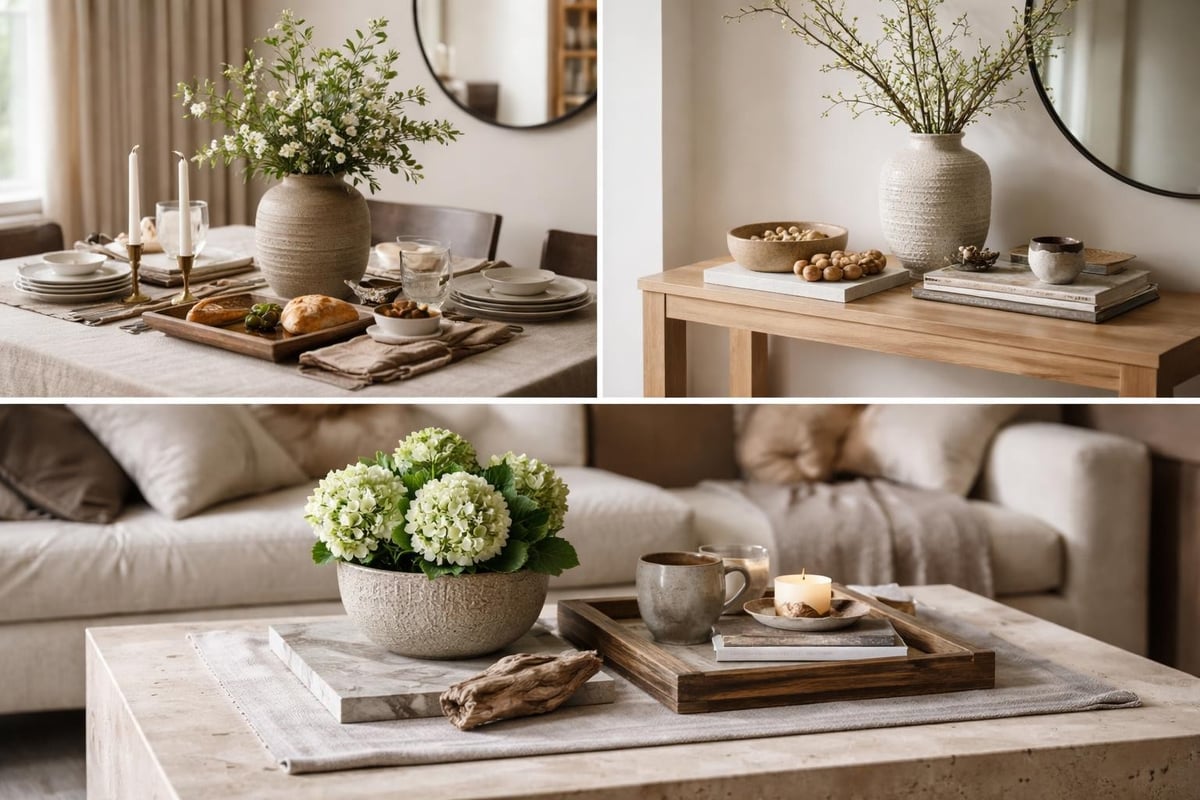
For dining tables, the trend towards unpolished, authentic table settings embraces imperfect beauty. Mix vintage and contemporary pieces, layer textures through linen napkins and ceramic serving ware, and incorporate natural elements like fresh botanicals or wooden serving boards. This approach creates warmth without compromising modern aesthetic principles.
Coffee table styling essentials:
- One statement coffee table book or magazine stack
- A sculptural object or decorative bowl
- A small plant or floral arrangement
- Functional items like coasters kept in attractive containers
- Negative space maintaining visual breathing room
Console tables benefit from asymmetrical arrangements balancing height variations. Pair a table lamp with stacked books and a trailing plant, or position a mirror above the console to enhance light and space perception. The key lies in restraint-modern table design celebrates the furniture itself, with accessories enhancing rather than concealing inherent beauty.
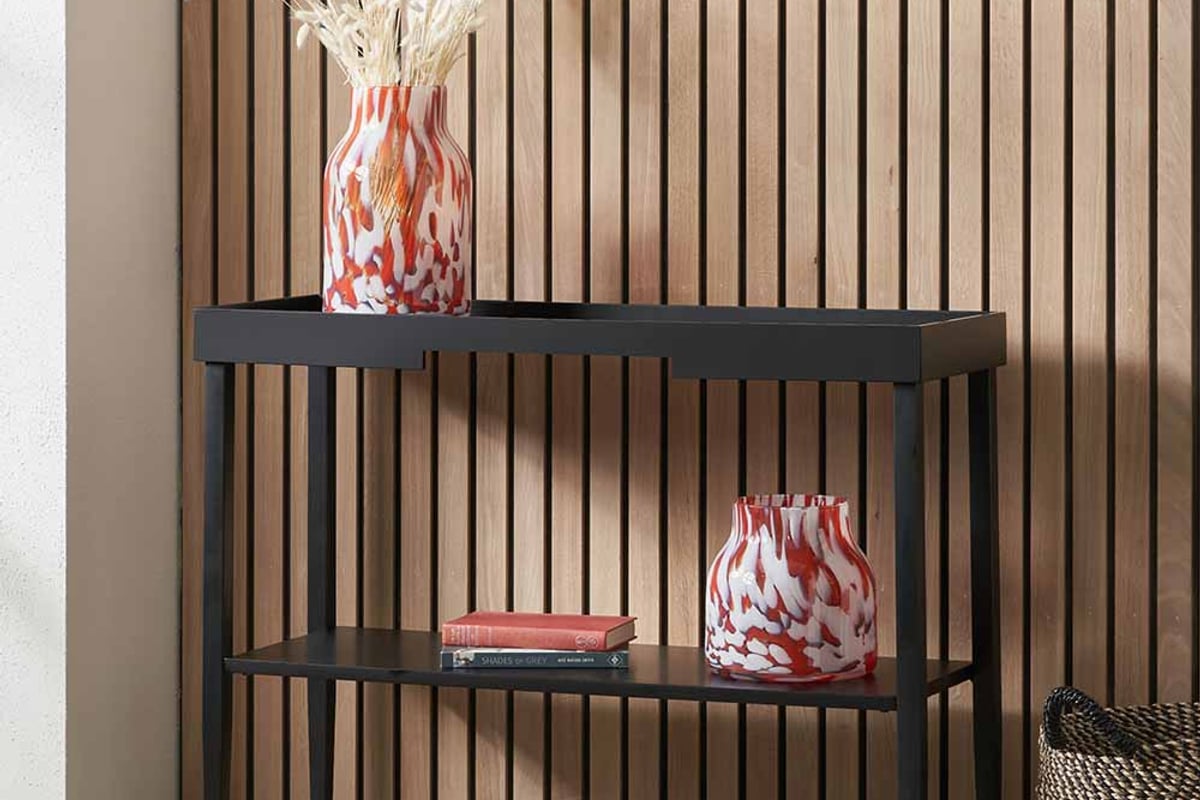
Noble & Nook offers beautifully crafted console tables designed to bring elegance and practicality to hallways, living rooms, and dining spaces. With contemporary metal frames, warm wood finishes, and sophisticated marble-effect tops, these pieces exemplify modern table design principles whilst complementing both contemporary and classic British interiors.
Integration with Broader Interior Trends
Modern table design doesn't exist in isolation but responds to evolving interior aesthetics. Understanding these connections helps select pieces that remain relevant as tastes develop whilst maintaining personal style authenticity.
Current Influential Movements
Several design philosophies shape contemporary table selections:
- Japandi fusion combining Scandinavian simplicity with Japanese craftsmanship and natural materials
- Industrial minimalism featuring raw metals, exposed construction, and utilitarian aesthetics
- Neo-Baroque elements introducing subtle ornamentation to otherwise restrained modern forms
- Biophilic design emphasising natural materials, organic shapes, and connections to nature
- Sustainable luxury prioritising quality, longevity, and environmental responsibility
According to analyses of trending table styles, the spectrum between minimalist and rustic continues expanding, with modern table design adapting characteristics from both extremes. A streamlined silhouette might feature heavily textured reclaimed wood, or an industrial metal frame could support a refined marble top, creating tension between opposing aesthetics.
These hybrid approaches allow personalisation within modern frameworks. Your table selection might lean towards warmer, rustic-modern combinations or cooler, minimalist-industrial expressions depending on surrounding décor, architectural context, and personal preferences. The flexibility inherent in contemporary design supports this diversity whilst maintaining coherent aesthetic principles.
Practical Considerations for Table Selection
Beyond aesthetics, functional requirements guide successful modern table design choices. Assessing your specific needs ensures selected pieces serve intended purposes whilst maintaining visual appeal.
Critical evaluation factors include:
- Primary function: Dining, working, display, or multiple uses
- User capacity: Number of people regularly accommodated
- Spatial dimensions: Available floor area and circulation requirements
- Maintenance preferences: Tolerance for patina development versus pristine surfaces
- Budget parameters: Investment level balanced against quality expectations
- Durability requirements: Household composition and usage intensity
Material selections directly impact maintenance demands. Solid wood tables develop character through use, with minor marks contributing to lived-in charm, whilst glass and stone surfaces show fingerprints more readily but clean easily. Understanding these trade-offs prevents disappointment when real-world use differs from showroom perfection.
Structural stability matters particularly for dining and work tables experiencing regular weight and movement. Quality joinery, substantial leg dimensions, and appropriate bracing ensure longevity. Modern table design increasingly exposes these structural elements, making assessment straightforward-visible joints should appear tight and precise, with no movement when pressure is applied.
Care and Maintenance of Modern Tables
Preserving your investment requires appropriate care tailored to specific materials. Modern table design often employs finishes that simplify maintenance whilst protecting underlying surfaces, but understanding proper techniques extends furniture lifespan significantly.
Material-Specific Care Guidelines
| Material | Routine Care | Protection Methods | Avoid |
|---|---|---|---|
| Solid Wood | Dust with soft cloth, occasional conditioning | Coasters, placemats, tablecloths | Excessive moisture, direct heat, harsh chemicals |
| Glass | Clean with glass cleaner, microfibre cloth | Felt pads under objects | Abrasive cleaners, dragging heavy items |
| Metal | Wipe with damp cloth, dry immediately | Protective pads, regular dusting | Prolonged moisture exposure, acidic substances |
| Marble/Stone | pH-neutral cleaners, immediate spill cleanup | Sealing treatments, trivets | Acidic liquids, abrasive scrubbing |
Temperature extremes and direct sunlight pose risks across material types. Position tables away from radiators and large windows where possible, or use window treatments moderating light exposure. These simple precautions prevent warping, fading, and surface damage that compromise both appearance and structural integrity.
Regular maintenance prevents minor issues escalating. Tighten loose screws promptly, address small scratches before they expand, and refresh protective finishes according to manufacturer recommendations. This proactive approach, aligned with quality craftsmanship inherent in modern table design, ensures pieces remain beautiful and functional for decades.
Sourcing Quality Modern Tables
Investment in well-designed tables rewards through longevity, versatility, and aesthetic satisfaction. Identifying quality requires evaluating craftsmanship, materials, and design integrity beyond superficial appearance.
Examine construction details closely. Drawers should glide smoothly with dovetail or similar quality joinery, tabletops should attach securely to bases through substantial hardware, and finishes should appear even without drips or rough patches. These indicators distinguish thoughtfully manufactured pieces from disposable alternatives.
Consider proportional relationships within designs. Leg thickness should correspond to top dimensions-overly delicate supports beneath heavy tops suggest structural inadequacy, whilst excessively chunky elements appear visually unbalanced. Modern table design achieves harmony through these subtle calibrations, creating pieces that feel inherently "right" within spaces.
Provenance and sustainability credentials increasingly influence purchasing decisions. Seek furniture crafted from responsibly sourced materials with transparent supply chains. Many contemporary manufacturers proudly detail their environmental commitments, using reclaimed timber, low-VOC finishes, and local production minimising transportation impacts. These considerations align with the values underpinning modern table design's material honesty and functional integrity.
Exploring curated collections helps narrow overwhelming options. Specialists like Noble & Nook select pieces meeting rigorous quality standards across diverse styles, simplifying the discovery process whilst ensuring access to furniture demonstrating genuine craftsmanship. Their range encompasses everything from compact side tables to substantial dining pieces, all reflecting contemporary design principles.
Future Directions in Table Design
Looking ahead, modern table design continues evolving in response to technological advances, environmental imperatives, and shifting domestic patterns. Smart integration represents one frontier, with tables incorporating wireless charging, concealed power outlets, and even touch-responsive surfaces supporting digital interaction.
Material innovation expands possibilities through engineered composites offering improved sustainability profiles alongside aesthetic appeal. Bio-based resins, recycled metals, and advanced timber treatments create durable surfaces with reduced environmental impact. As building materials and construction techniques advance, furniture design benefits from these innovations.
Customisation platforms allow consumers specifying dimensions, finishes, and configurations matching precise requirements. This mass-customisation approach combines craft tradition with contemporary manufacturing efficiency, producing pieces that feel bespoke whilst remaining accessible. Modern table design thus becomes increasingly personal whilst maintaining design coherence.
The emphasis on longevity over disposability strengthens as consumers recognise quality furniture's environmental and economic advantages. Tables designed for disassembly, repair, and updating resist obsolescence through adaptable aesthetics and robust construction. This sustainability focus aligns perfectly with modern design philosophy valuing honest materials and purposeful form.
Modern table design offers remarkable diversity within coherent aesthetic frameworks, allowing personal expression whilst maintaining contemporary relevance. By prioritising quality materials, functional versatility, and timeless proportions, you can select pieces that enhance your home for years ahead. Noble & Nook provides carefully curated furniture combining these essential qualities, with free UK mainland shipping and flexible payment options through Klarna or PayPal making exceptional design accessible across British homes.