

Finding the perfect home for furniture goes beyond simply filling empty spaces. It requires thoughtful consideration of proportion, function and aesthetic harmony throughout your interior. Whether you're furnishing a new property or refreshing existing rooms, understanding how each piece serves both practical needs and visual balance transforms your living environment. In 2026, British homeowners increasingly prioritize quality over quantity, selecting versatile pieces that anchor spaces whilst reflecting personal style. This comprehensive guide explores how to create the ideal home for furniture across every room, ensuring each piece enhances your daily life whilst contributing to a cohesive, elegant interior.
Understanding Space and Scale
Creating an appropriate home for furniture begins with accurate spatial awareness. Measuring your rooms precisely prevents the common pitfall of purchasing pieces that overwhelm or underwhelm the available space.
Before selecting any furniture, document ceiling heights, wall lengths and doorway dimensions. This fundamental step ensures every piece can actually enter your home and fit comfortably within its designated area. Consider traffic flow patterns, allowing at least 90 centimetres for primary pathways and 60 centimetres for secondary routes.
Proportion and Visual Weight
Different furniture styles carry varying visual weight, affecting how rooms feel. A solid wood sideboard commands more visual presence than a glass-topped console table, even when occupying similar floor space.
- Heavy pieces: Dark woods, substantial upholstery, chunky frames
- Light pieces: Glass surfaces, slim metal legs, open shelving
- Medium pieces: Mixed materials, moderate depth, balanced proportions
Balance heavier items with lighter counterparts to prevent rooms feeling cluttered. A substantial sofa pairs beautifully with delicate side tables, whilst a minimalist dining table benefits from more textured seating.
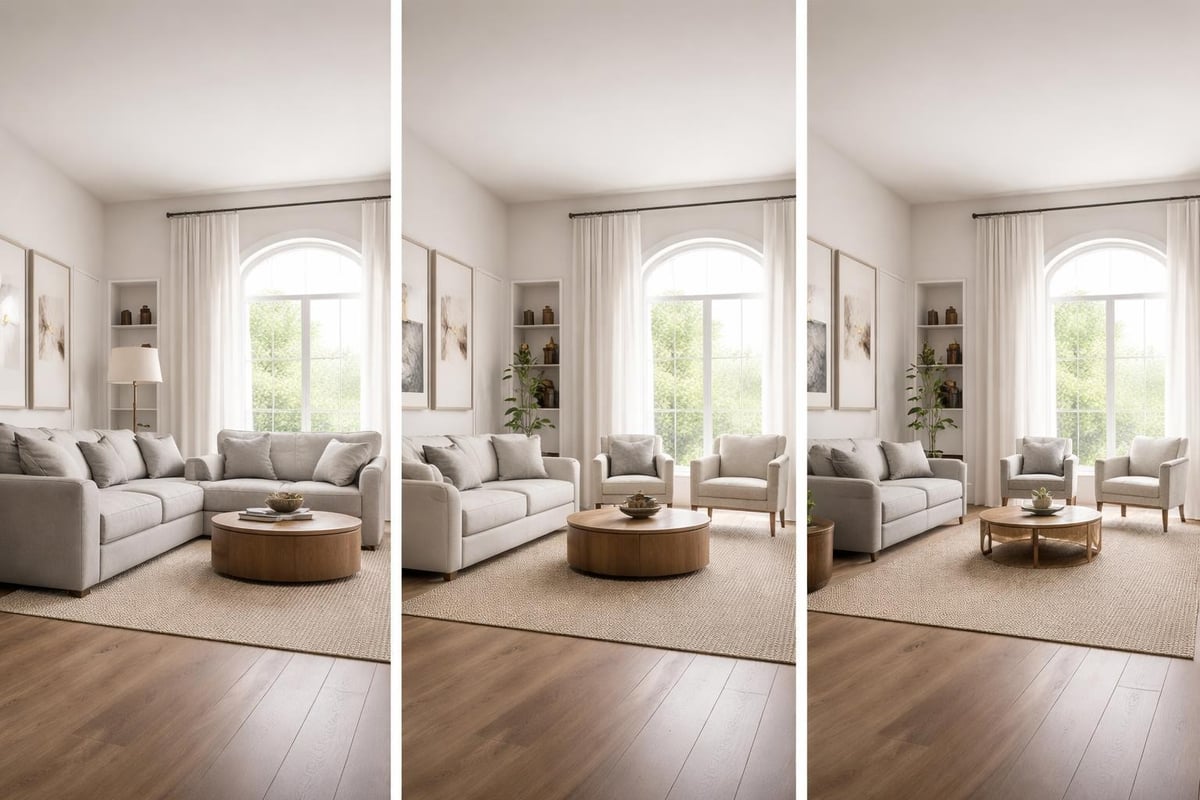
Creating Functional Zones
Modern British homes increasingly embrace open-plan living, requiring strategic furniture placement to define distinct zones without physical walls. Establishing clear areas for different activities maximizes both functionality and comfort.
Use larger pieces as natural dividers. A well-positioned sofa can separate living and dining areas, whilst a bookcase creates a subtle office nook within a bedroom. Each zone requires its own focal point and supporting furniture to feel complete.
Furniture Placement Strategies
| Zone Type | Anchor Piece | Supporting Furniture | Purpose |
|---|---|---|---|
| Conversation | Sofa or sectional | Armchairs, coffee table | Social interaction |
| Dining | Dining table | Chairs, sideboard | Meals and gathering |
| Work | Desk or console | Task chair, storage | Productivity |
| Relaxation | Reading chair | Side table, lamp | Personal time |
The current sofa trends emphasize multifunctional designs that adapt to various living arrangements, making them ideal anchor pieces for flexible zones.
Circulation and Accessibility
Every home for furniture must accommodate comfortable movement. Position pieces to create natural pathways that feel intuitive rather than forced. Avoid blocking windows or radiators, which compromises both light and heating efficiency.
Consider how furniture serves daily routines. Bedside tables should sit within easy reach from bed, whilst coffee tables need sufficient clearance for comfortable leg room when seated. These practical considerations prevent frustration and enhance everyday living.
Selecting Complementary Pieces
Creating harmony throughout your home for furniture requires thoughtful pairing of styles, materials and finishes. Whilst matching sets offer instant coordination, mixing complementary pieces adds depth and personality to interiors.
Establish a cohesive colour palette spanning no more than three primary tones, allowing accent colours through accessories. This approach provides sufficient variety without creating visual chaos. Natural materials like wood, stone and metal ground schemes whilst introducing texture.
Contemporary interior design increasingly favours eclectic approaches that blend vintage finds with modern pieces, creating layered, collected looks that feel personal rather than showroom-perfect.
Material Combinations
Successful furniture schemes balance different materials thoughtfully:
- Wood with metal: Industrial chic or mid-century modern aesthetics
- Upholstery with wood: Traditional comfort meeting natural warmth
- Glass with solid surfaces: Contemporary elegance with visual lightness
- Mixed wood tones: Rich, layered depth when varied intentionally
Avoid matching everything exactly. Slight variations in wood tone or metal finish create sophisticated, curated interiors that feel evolved over time rather than purchased in one transaction.
Room-Specific Considerations
Each room in your home demands specific furniture types and arrangements. Understanding these requirements helps create purposeful, comfortable spaces that serve their intended functions beautifully.
Living Room Essentials
Your living room serves as the social heart of your home, requiring versatile seating arrangements that accommodate both daily relaxation and entertaining guests. Start with a quality sofa positioned to maximize natural light and views whilst creating conversation-friendly layouts.
Essential furniture styling techniques emphasize layering different seating heights and depths to establish visual interest. Pair sofas with armchairs, ottomans or benches to create dynamic yet balanced arrangements.
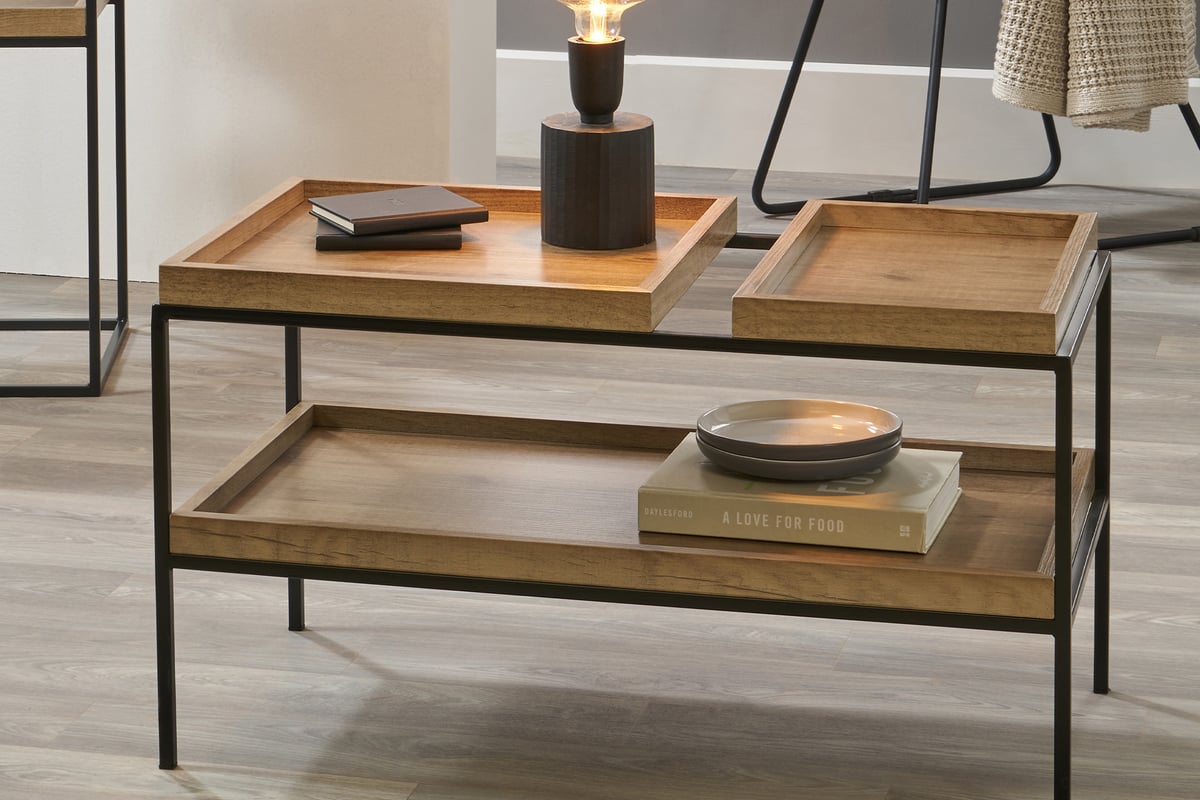
Coffee tables anchor living spaces whilst providing practical surfaces for drinks, books and decorative displays. Select sizes that complement your seating proportions, typically two-thirds the sofa length and positioned 45 centimetres away for comfortable access.
Storage solutions like sideboards or display units keep clutter controlled whilst showcasing cherished items. These pieces work particularly well on walls opposite seating arrangements, creating visual focal points that draw the eye upward.
Dining Room Harmony
The dining room brings people together, requiring furniture that balances formality with comfort. Your dining table size should accommodate regular household numbers plus occasional guests, allowing 60 centimetres per person for comfortable seating.
Consider extending tables for flexibility, particularly in homes where dining spaces serve multiple purposes. Pair tables with chairs that complement but needn't match exactly, creating collected looks that feel intentional rather than mass-produced.
Sideboards provide essential storage for tableware, linens and serving pieces whilst offering surfaces for displaying decorative items or serving buffet-style meals. Position them along walls where they won't impede circulation around the table.
Styling dining rooms effectively requires considering both aesthetic appeal and practical function, ensuring spaces feel welcoming for everyday meals and special occasions alike.
Bedroom Sanctuary
Bedrooms demand furniture that promotes rest whilst providing adequate storage. Your bed naturally dominates the room, so select a frame that suits available space without overwhelming it.
Bedside tables offer convenient surfaces for lamps, books and morning beverages. Choose heights that align with mattress top for comfortable reach from bed. Drawers or shelves add practical storage for personal items whilst keeping surfaces uncluttered.
Wardrobes, chests of drawers and dressing tables complete bedroom furniture collections. Position larger pieces along walls to maintain floor space, creating calm, uncluttered environments conducive to relaxation.
Maximizing small bedroom spaces requires clever furniture selection that prioritizes dual-purpose pieces and vertical storage solutions.
Lighting and Furniture Integration
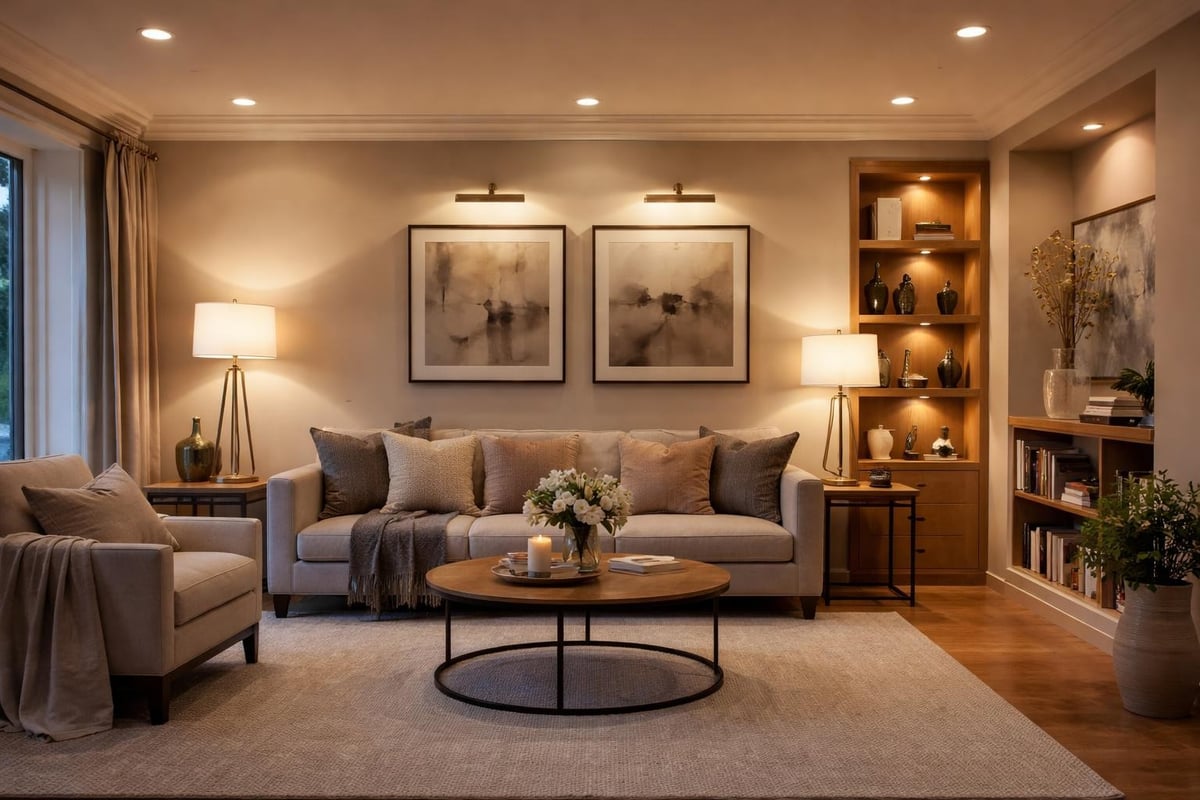
Proper lighting transforms how furniture appears and functions within your home. Layer ambient, task and accent lighting to highlight architectural features and create atmosphere throughout different times of day.
Position floor lamps beside reading chairs or sofas to provide focused light for activities. Table lamps atop console tables, sideboards or bedside tables add warmth whilst illuminating specific zones. Overhead lighting should complement rather than compete with furniture arrangements.
Creating Visual Balance
Distribute light sources evenly across rooms to prevent dark corners that make spaces feel smaller. Each seating area benefits from its own light source, whether pendant, table lamp or floor lamp.
Consider how lighting affects furniture finishes. Glossy surfaces reflect light, brightening spaces, whilst matte finishes absorb it, creating intimate atmospheres. Use this knowledge when selecting pieces for rooms with varying natural light levels.
Seasonal Adaptations
Your home for furniture should evolve with changing seasons, particularly in British climates where weather significantly impacts daily living patterns. Lighter, airier arrangements suit summer months, whilst autumn and winter benefit from cosier configurations.
Consider slipcovers for upholstered pieces, allowing seasonal refreshes without replacing entire sofas or chairs. Rotate accessories like cushions and throws to reflect seasonal colour palettes whilst maintaining core furniture arrangements.
Garden furniture considerations extend your living space outdoors during warmer months, creating seamless indoor-outdoor flow that maximizes usable areas.
Storage Solutions
Off-season storage prevents clutter whilst protecting furniture investments. Clean pieces thoroughly before storing, using breathable covers that prevent moisture buildup and dust accumulation.
Rotate decorative items seasonally to refresh interiors without significant expense. Store summer accessories during winter months, swapping them for warmer textures and deeper tones that suit shorter, darker days.
Sustainability and Longevity
Creating a lasting home for furniture increasingly means prioritizing quality over quantity. The furniture industry trends show growing consumer demand for sustainable, ethically produced pieces built to endure decades rather than years.
Invest in timeless designs that transcend temporary trends. Classic silhouettes adapt to evolving tastes through simple updates like new upholstery or hardware, extending furniture lifespan whilst reducing environmental impact.
Quality Indicators
- Solid wood construction: Durable, repairable, ages beautifully
- Dovetail joints: Superior strength in drawers and cabinets
- Natural materials: Sustainable, biodegradable, renewable
- Modular designs: Adaptable configurations for changing needs
- Neutral palettes: Versatile foundations for evolving schemes
The global furniture market analysis indicates sustained growth in eco-friendly products, reflecting increased consumer awareness about environmental responsibility and product longevity.
Mixing Vintage and Contemporary
Creating an authentic home for furniture often involves blending periods and styles. This approach adds character whilst preventing interiors feeling overly staged or impersonal.
Source vintage pieces from antique markets, auctions or family heirlooms, pairing them with contemporary designs for contrast. A mid-century sideboard complements modern dining chairs beautifully, whilst Victorian occasional tables add charm to minimalist living rooms.
Achieving Balance
Maintain proportion between old and new, avoiding overwhelming spaces with either extreme. Aim for roughly 70% contemporary pieces with 30% vintage accents, or vice versa depending on preferred aesthetic direction.
Consider refinishing or reupholstering vintage finds to suit modern colour schemes whilst preserving original character. This sustainable approach honours craftsmanship whilst ensuring pieces suit contemporary lifestyles.
Technology Integration
Modern homes require furniture that accommodates technology without compromising aesthetics. Cable management, charging stations and device storage must integrate seamlessly into traditional furniture forms.
Select console tables, sideboards and desks with built-in cable routing or discreet openings for wires. These thoughtful details maintain clean lines whilst supporting contemporary connectivity needs.
Smart Furniture Solutions
Look for pieces with USB ports, wireless charging surfaces or hidden compartments for routers and electronics. These features enhance functionality without disrupting visual harmony or requiring visible cables.
Position furniture to optimize WiFi coverage, avoiding placements that create dead zones. Metal furniture can interfere with signals, whilst wooden pieces typically cause fewer connectivity issues.
Personalizing Your Scheme
The most successful home for furniture reflects individual personality and lifestyle rather than magazine-perfect staging. Display meaningful objects, incorporate inherited pieces and select colours that genuinely resonate rather than following trends blindly.
Create vignettes that tell stories, grouping related objects atop consoles, sideboards or shelving. These curated displays add personality whilst preventing surfaces feeling cluttered or chaotic.
Layering Accessories
- Books: Stack horizontally and vertically for visual interest
- Artwork: Lean against walls or hang in gallery arrangements
- Plants: Introduce life, texture and air-purifying benefits
- Textiles: Layer rugs, cushions and throws for warmth
- Collections: Display cohesively for impact rather than scattering
The emerging design trends of 2025 continue influencing 2026 interiors, with "cottage flow" and "city glow" aesthetics offering contrasting approaches to personalized schemes.
Maintenance and Care
Protecting your furniture investment requires regular maintenance tailored to specific materials. Establish cleaning routines that prevent damage whilst preserving finishes and fabrics.
Wood furniture benefits from dusting weekly and polishing quarterly with appropriate products. Avoid placing hot items directly on surfaces and use coasters religiously to prevent ring marks and heat damage.
Upholstery Protection
Vacuum upholstered pieces monthly using appropriate attachments. Address spills immediately with blotting rather than rubbing, preventing stains setting permanently into fibres.
Consider professional cleaning annually for heavily used pieces, extending their lifespan whilst maintaining appearance. Rotate cushions regularly to ensure even wear and prevent permanent indentations.
Budget Considerations
Creating a beautiful home for furniture needn't require unlimited funds. Prioritize investment pieces that see daily use, such as sofas, beds and dining tables, whilst sourcing budget-friendly options for occasional furniture.
Mix high and low pieces strategically, investing in quality fundamentals whilst saving on accent tables, decorative storage and seasonal items. This balanced approach creates sophisticated interiors within realistic budgets.
Flexible Payment Options
Many retailers now offer payment plans spreading costs over several months. These arrangements make quality furniture accessible whilst maintaining cash flow for other household expenses.
Watch for seasonal sales, particularly January and summer clearances, when retailers discount floor models and previous collections. Quality pieces at reduced prices allow budget stretch further without compromising standards.
Creating the perfect home for furniture requires balancing aesthetics, function and personal style whilst respecting spatial constraints and budgets. By considering proportion, complementary pairings and room-specific needs, you transform empty spaces into comfortable, cohesive interiors that enhance daily living. Whether you're furnishing one room or an entire property, thoughtful selection and placement ensure every piece serves both practical purposes and visual harmony. Noble & Nook offers carefully curated collections of quality furniture and lighting designed to elevate British homes, with free UK mainland delivery and flexible payment options through Klarna or PayPal making beautiful interiors accessible to everyone.