

Finding the perfect furniture spot in your home requires more than simply placing pieces where they fit. It demands careful consideration of room proportions, natural light, traffic patterns, and the functional needs of each space. Whether you're arranging a new living room, optimising a bedroom layout, or creating a welcoming dining area, identifying the right furniture spot transforms how you experience your home daily. This guide explores the principles of furniture placement, offering practical strategies to help you make informed decisions that enhance both aesthetics and everyday living.
Understanding the Fundamentals of Furniture Placement
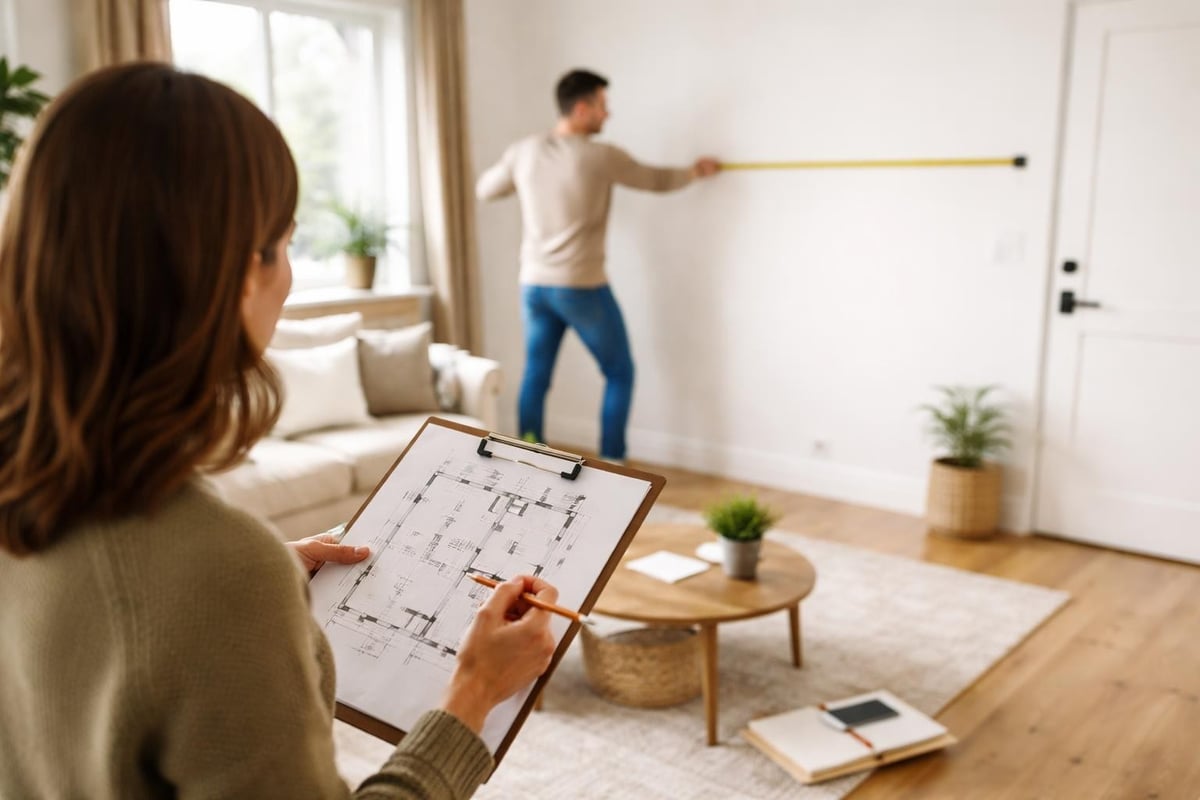
Before purchasing any piece, understanding your space's dimensions and characteristics helps you identify each potential furniture spot with precision. Measuring your room accurately forms the foundation of successful furniture arrangement, preventing costly mistakes and ensuring pieces complement rather than overwhelm your interior.
Taking Accurate Room Measurements
Begin by measuring the length and width of your room, noting architectural features such as windows, radiators, door swings, and electrical sockets. These elements influence where furniture can realistically sit. Create a simple floor plan on graph paper or using digital tools, marking all fixed features to scale.
Essential measurements to record:
- Wall lengths from corner to corner
- Window heights and widths, including sill depth
- Door swing radius and clearance requirements
- Ceiling height and any sloped or lowered sections
- Alcoves, chimney breasts, or built-in storage
- Radiator positions and projections from walls
Record the position of power points and light switches, as these often determine where lamps, entertainment units, or home office furniture can be placed. Understanding natural light patterns throughout the day also guides furniture spot selection, particularly for reading chairs, dining tables, and workspace areas.
Calculating Traffic Flow Patterns
Every room requires clear pathways that allow comfortable movement without obstruction. When considering a furniture spot, allow approximately 75-90 centimetres for main walkways and at least 45-60 centimetres for secondary passages. In dining areas, ensure chairs can be pulled out without blocking doorways or impeding movement around the table.
Observe how household members naturally move through each space. Do they enter from multiple doors? Is there a direct route between frequently used areas? Your furniture arrangement should facilitate these patterns rather than disrupt them. For instance, positioning a sofa directly in a main thoroughfare creates daily frustration, whilst placing it adjacent to the traffic path maintains flow whilst defining the seating area.
Room-by-Room Furniture Spot Strategy
Different rooms demand distinct approaches to furniture placement, each balancing specific functional requirements with aesthetic considerations. Understanding these unique needs helps you identify the optimal furniture spot for every piece in your home.
Living Room and Lounge Arrangements
The living room typically serves multiple purposes, from relaxing and entertaining to reading and watching television. Identifying the focal point guides your furniture spot decisions. This might be a fireplace, large window with garden views, or media wall.
| Furniture Piece | Ideal Distance from Focal Point | Traffic Clearance Required |
|---|---|---|
| Sofa | 2-3 metres from fireplace/TV | 90 cm walkway behind |
| Armchairs | Angled 45° for conversation | 60 cm to nearest furniture |
| Coffee Table | 45 cm from sofa edge | 30-45 cm all sides |
| Side Tables | Within arm's reach of seating | 15 cm from wall minimum |
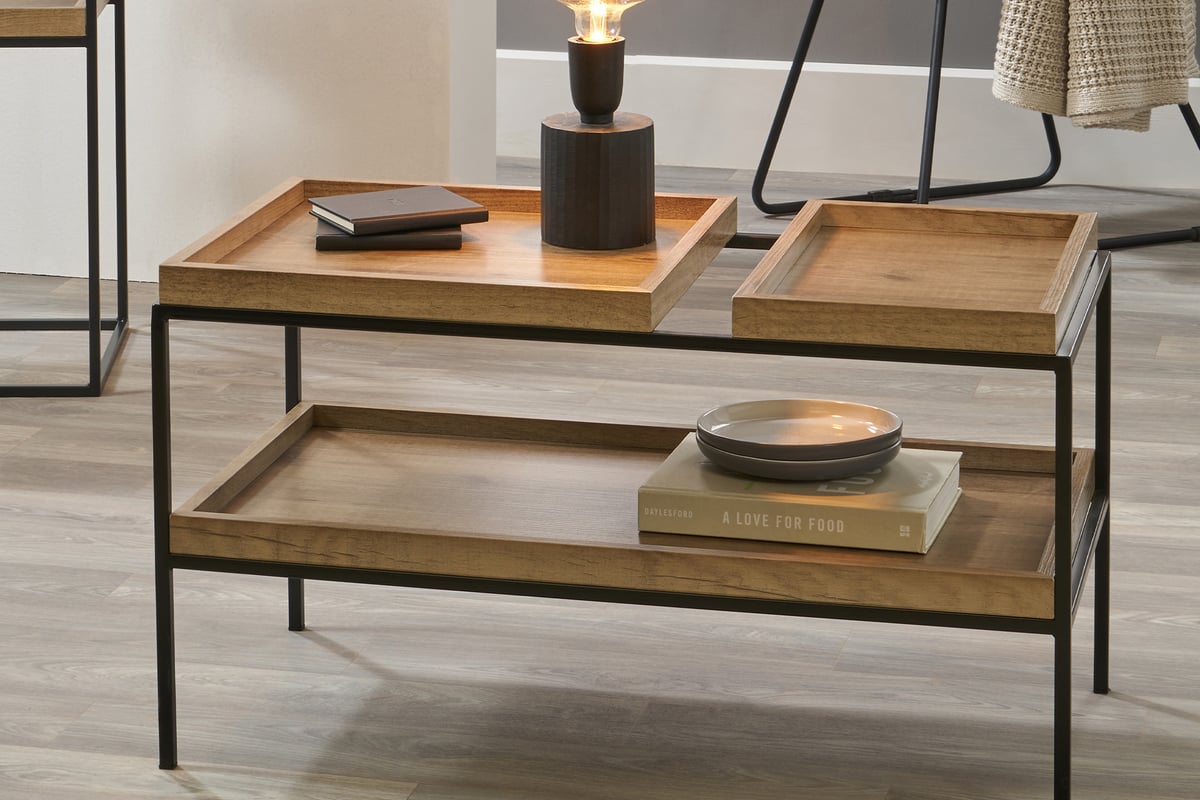
Create conversation zones by arranging seating in a U-shape or L-configuration, ensuring people can comfortably converse without straining. Armchairs and accent chairs positioned at slight angles encourage interaction whilst maintaining visual interest. The furniture spot you choose for your coffee table should allow easy access from all seating positions without obstructing movement through the room.
Noble & Nook's curated collection includes beautifully proportioned pieces designed to fit British homes, where room sizes often demand thoughtful planning. Their living room furniture balances elegant design with practical dimensions suited to modern and traditional interiors alike.
Bedroom Furniture Spot Considerations
Bedrooms prioritise rest and relaxation, making furniture spot selection particularly important for creating a calming environment. The bed naturally dominates the space, and its position influences all other furniture placement decisions.
Position your bed against the longest uninterrupted wall where possible, ensuring both sides remain accessible. Avoid placing the headboard directly under windows, which can create drafts and light disturbances. Allow approximately 60-70 centimetres on each side for comfortable movement and bedmaking.
Strategic bedroom furniture spots:
- Bedside tables: Positioned within easy reach, typically 5-10 cm from the bed frame
- Wardrobes: Placed away from natural light to prevent fabric fading, with 90 cm clearance for door opening
- Dressing tables: Ideally positioned near natural light sources for optimal illumination
- Chest of drawers: Against walls opposite or adjacent to the bed, maintaining clear pathways
Consider the room's symmetry when identifying furniture spots. Matching bedside tables on either side of the bed create visual balance, whilst a single larger piece on one side can work well in asymmetrical layouts. Learn more about spotting high-quality furniture construction to ensure your bedroom pieces endure daily use.
Dining Room Placement Principles
Dining rooms require careful furniture spot planning to accommodate both daily meals and larger gatherings. The dining table serves as the room's anchor, and its position determines the flow and functionality of the entire space.
Centre your dining table beneath the room's primary light fixture when possible, creating visual harmony and ensuring adequate illumination for dining. Allow approximately 90-120 centimetres between the table edge and walls or other furniture, providing sufficient space for chairs to be pulled out and for people to move comfortably around seated diners.
For rectangular tables, position the longest dimension parallel to the room's length, maximising seating capacity whilst maintaining proportion. Round or oval tables work well in square rooms or smaller spaces, eliminating sharp corners that can impede traffic flow. Visit Noble & Nook's dining room furniture collection to explore pieces designed for various room configurations.
Optimising Furniture Spot Selection
Beyond basic placement principles, several advanced strategies help you identify the perfect furniture spot for each piece, enhancing both aesthetics and functionality throughout your home.
Working with Architectural Features
Architectural elements such as bay windows, alcoves, chimney breasts, and exposed beams influence furniture spot decisions. Rather than viewing these as limitations, embrace them as opportunities to create characterful, tailored arrangements.
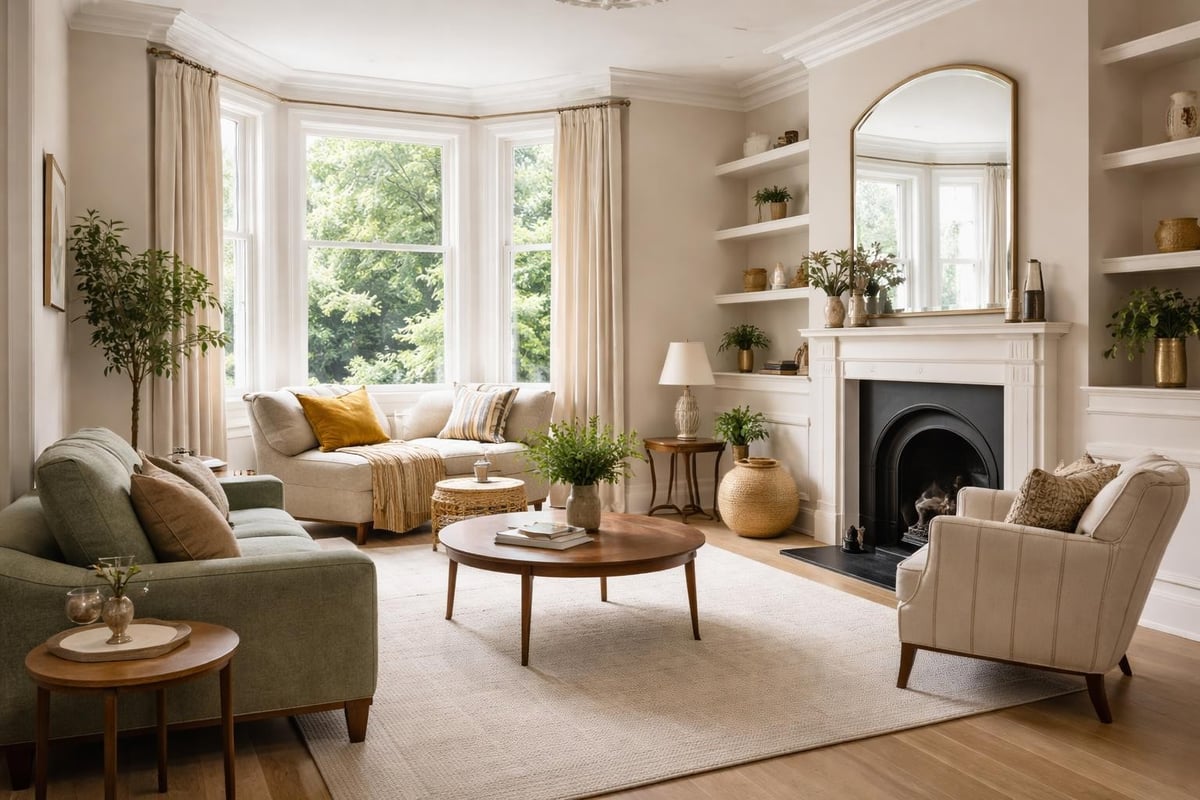
Bay windows often provide ideal furniture spots for reading chairs, small tables, or window seats, taking advantage of natural light and views. Alcoves flanking fireplaces suit bookcases, display cabinets, or bespoke shelving, whilst the mantelpiece itself might accommodate decorative objects or a statement mirror. Exposed beams and sloped ceilings in period properties or loft conversions require careful furniture height consideration to prevent awkward gaps or visual clutter.
Balancing Scale and Proportion
The furniture spot you select significantly impacts how pieces relate to the room's overall scale. Oversized furniture in small spaces creates cramped, uncomfortable environments, whilst undersized pieces appear lost in larger rooms. This principle of spotting quality furniture extends beyond construction to include appropriate sizing for your specific space.
Scale and proportion guidelines:
- Measure furniture height against ceiling height (pieces should occupy 1/3 to 2/3 of wall height)
- Consider visual weight (dark, solid pieces appear heavier than light, open designs)
- Balance one large statement piece with several smaller complementary items
- Maintain proportion between furniture and room dimensions
- Account for negative space (empty areas that allow rooms to breathe)
A common mistake involves pushing all furniture against walls, which can make rooms feel disconnected and sparse. Instead, float larger pieces like sofas away from walls by 15-30 centimetres, creating depth and making spaces feel more intimate. This approach works particularly well in open-plan layouts where furniture helps define distinct zones within a larger area.
Considering Multifunctional Needs
Modern homes increasingly demand furniture that serves multiple purposes, making furniture spot selection more complex but also more rewarding. A dining table might double as a workspace, whilst a spare bedroom often functions as an office or guest room. Identifying furniture spots that accommodate these varied uses requires forward-thinking planning.
When arranging multipurpose spaces, prioritise the primary function whilst ensuring secondary uses remain accessible. For instance, a home office within a bedroom needs a desk positioned to maximise natural light and minimise bedroom clutter's visual impact. Similarly, sofa beds require adequate clearance to unfold comfortably, influencing the furniture spot you choose for surrounding pieces.
Practical Furniture Spot Techniques
Several hands-on methods help you visualise and test potential furniture spots before committing to final arrangements, reducing uncertainty and preventing placement mistakes.
Creating Floor Plan Templates
Whether using physical or digital tools, creating a scaled floor plan allows you to experiment with different furniture spots without moving heavy items repeatedly. Cut out scaled paper templates representing your furniture pieces, or use online room planners that let you drag and drop items digitally.
This approach reveals potential issues before they occur. You might discover that your desired sofa position blocks radiator heat flow, or that your planned dining table placement prevents cupboard doors from opening fully. Making these discoveries on paper saves considerable time and effort.
The Tape Marking Method
Once you've identified promising furniture spots on your floor plan, translate these to your actual room using painter's tape. Mark the footprint of each major furniture piece on the floor, creating a full-size template you can walk around and experience physically.
Live with these tape markings for several days, observing how they impact daily routines. Do you constantly step over tape lines, suggesting traffic flow issues? Does the proposed furniture spot for your armchair capture afternoon sunlight as you'd hoped? This practical testing phase often reveals adjustments that improve your final layout significantly.
Testing Before Purchasing
Before committing to specific furniture pieces, consider their intended furniture spot carefully. Visit showrooms with your room measurements and photographs, comparing dimensions in person to avoid surprises. Many quality retailers, including Noble & Nook, provide detailed specifications and can offer guidance on whether pieces suit your space.
When evaluating potential purchases, assess whether they'll fit comfortably in your identified furniture spot with adequate clearance. Consider delivery logistics too – can the piece navigate doorways, staircases, and corridors to reach its intended location? Understanding how to spot high-quality furniture helps ensure pieces justify their furniture spot with durability and craftsmanship that endures.
Maintaining and Adjusting Furniture Spots
Even perfectly planned furniture spots require occasional reassessment and adjustment as your needs evolve and seasons change.
Seasonal Furniture Spot Adjustments
British homes experience significant seasonal variations that might influence optimal furniture placement. During winter months, positioning seating closer to heat sources creates cosy gathering spots, whilst summer arrangements might shift chairs towards garden-facing windows to capture outdoor views and fresh air.
Consider creating adaptable furniture spots that accommodate seasonal changes without major disruption. A reading chair might rotate between a south-facing window in winter for warmth and natural light, and a shadier north-facing spot in summer to avoid glare and heat. Similarly, dining tables positioned near patio doors in warmer months facilitate indoor-outdoor entertaining.
Protecting Your Furniture Spot Investment
Once you've identified ideal furniture spots throughout your home, protecting these investments ensures they remain beautiful and functional for years. Regular maintenance extends furniture lifespan whilst preserving the carefully considered aesthetic you've created.
Furniture spot maintenance checklist:
- Rotate cushions and mattresses quarterly to ensure even wear
- Position furniture away from direct sunlight to prevent fading
- Maintain humidity levels between 40-60% to protect wood from warping
- Clean spills immediately using appropriate spot-cleaning techniques
- Vacuum upholstered pieces weekly to prevent dust accumulation
- Polish wooden surfaces monthly with appropriate products
Understanding how to remove summer stains and maintain furniture properly ensures your chosen furniture spots remain pristine regardless of household activity. Professional upholstery cleaning services can address deeper cleaning needs, particularly for high-traffic seating areas.
Recognising When to Reassess
Life changes often necessitate furniture spot adjustments. Growing families, changing work patterns, or simply evolving aesthetic preferences might mean your current arrangement no longer serves you optimally. Regular reassessment – perhaps annually or when seasons change – helps identify opportunities to improve your home's functionality and appearance.
Consider whether your current furniture spots still facilitate daily activities comfortably. Has remote working made your dining table a permanent desk, suggesting a dedicated home office furniture spot would serve you better? Do children now require study areas that compete with your planned living room layout? Remaining flexible and willing to adjust creates homes that truly support how you live.
Enhancing Your Furniture Spot Strategy
Beyond fundamental placement principles, several refinements elevate furniture spot selection from functional to exceptional.
Layering Lighting Around Furniture Spots
Lighting profoundly influences how furniture spots function and feel throughout the day. Combine ambient, task, and accent lighting to create flexible schemes that support various activities whilst highlighting your furniture's best features.
Position table lamps on side tables flanking sofas to provide reading light without dominating the room. Overhead pendant lights centred above dining tables ensure even illumination for meals and gatherings. Accent lighting directed at artwork or architectural features draws attention away from less attractive elements whilst adding depth and interest. Browse Noble & Nook's lighting collection to discover pieces that complement your furniture arrangement.
| Lighting Type | Ideal Furniture Spot Application | Recommended Placement |
|---|---|---|
| Ambient | Overall room illumination | Ceiling fixtures, wall sconces |
| Task | Reading, dining, working | Table lamps, desk lamps, pendant lights |
| Accent | Highlighting features | Spotlights, picture lights, uplighters |
Incorporating Storage into Furniture Spots
Strategic storage integration prevents clutter whilst maintaining the visual calm of well-planned furniture spots. Multi-functional pieces combine seating, surfaces, or decoration with concealed storage, maximising utility without compromising aesthetics.
Ottoman coffee tables with internal storage, console tables with drawers, and bed frames with under-bed compartments all exemplify furniture that serves multiple purposes within a single spot. When selecting furniture spots for storage pieces, prioritise accessibility – frequently used items should remain within easy reach, whilst seasonal or occasional-use items can occupy less convenient locations.
Understanding different uses of terms like "storage spot" across industries reminds us that thoughtful storage planning applies across many contexts, from commercial warehousing to residential interiors.
Creating Visual Connections Between Furniture Spots
Rather than treating each furniture spot as isolated, consider how pieces relate to one another throughout your home. Visual connections through colour, material, or style create cohesive interiors that feel intentionally designed rather than randomly assembled.
Repeat wood tones across dining tables, coffee tables, and bedroom furniture to establish material continuity. Echo upholstery colours in cushions, curtains, or artwork. Maintain consistent hardware finishes (brass, chrome, black) on furniture pieces throughout connected spaces. These subtle connections guide the eye naturally from one furniture spot to another, creating harmonious flow.
Noble & Nook's thoughtfully curated collections make creating these visual connections straightforward, with pieces selected to complement one another across different rooms. Explore their full range at Noble & Nook to discover furniture and décor that works beautifully together.
Identifying the perfect furniture spot transforms houses into homes that genuinely support and enhance daily life. By measuring carefully, understanding traffic patterns, and considering both functional needs and aesthetic goals, you create interiors that balance beauty with practicality. Noble & Nook offers an expertly curated range of quality furniture and boutique home décor designed to elevate every room, with free UK mainland shipping and flexible payment options making it easier than ever to bring your vision to life.