

A farmhouse rustic mirror serves as more than a functional piece; it anchors your interior with warmth, character, and a sense of authentic heritage. These distinctive mirrors blend weathered textures, natural materials, and timeless design to create focal points that suit both traditional country homes and contemporary urban spaces. As British interiors continue to embrace layered, lived-in aesthetics in 2026, understanding how to select and style a farmhouse rustic mirror helps you achieve balance between nostalgia and modern sophistication.
Understanding the Farmhouse Rustic Mirror Appeal
The enduring popularity of farmhouse rustic mirrors reflects a broader cultural shift towards interiors that feel collected rather than coordinated. These pieces carry visual weight through their materiality, often featuring reclaimed wood, distressed finishes, or hand-applied patinas that suggest years of use and care.
Unlike minimalist mirrors with sleek metal frames, a farmhouse rustic mirror introduces texture and depth. The grain patterns in solid oak or pine frames, the subtle irregularities in hand-carved details, and the gentle wear marks all contribute to an aesthetic that feels genuine and unpretentious.
Material Authenticity and Craftsmanship
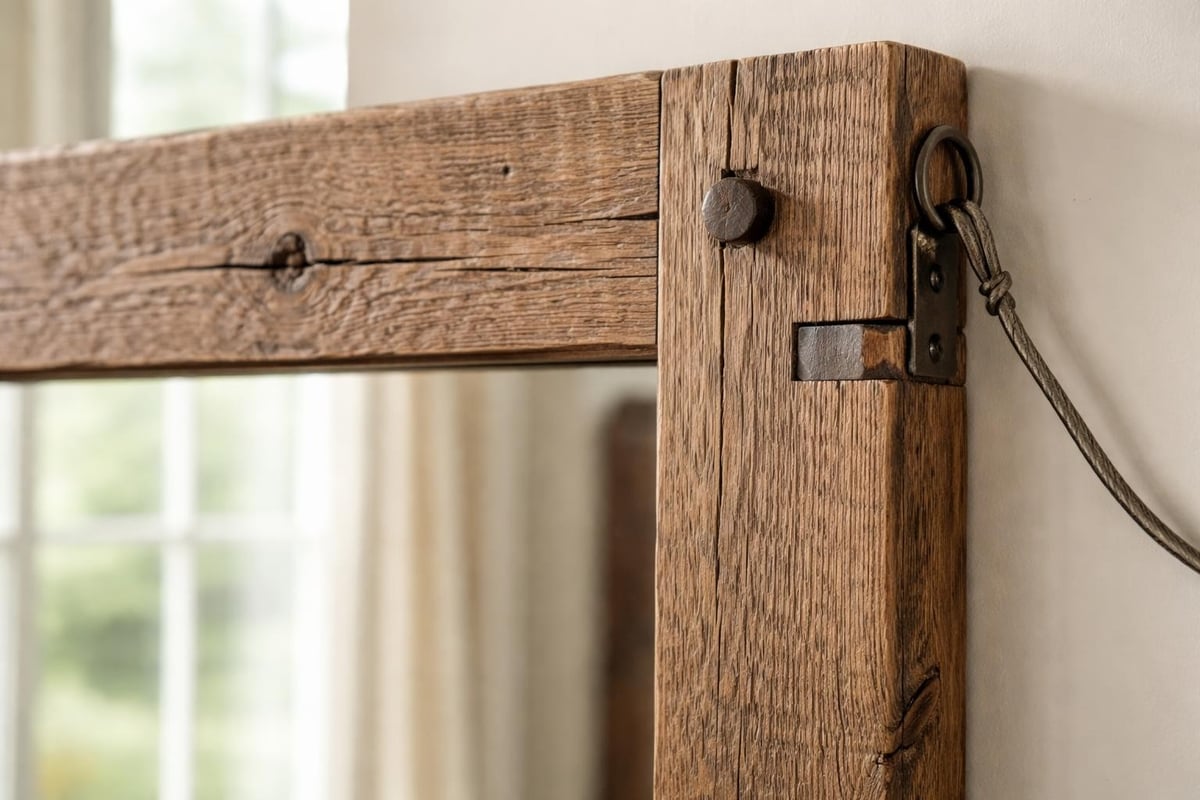
Quality farmhouse rustic mirrors prioritize natural materials over synthetic alternatives. Solid wood frames showcase visible grain patterns, knots, and colour variations that make each piece unique. Artisans may employ traditional joinery techniques, hand-distressing methods, or milk paint finishes to achieve an authentic aged appearance.
The construction quality significantly impacts longevity and visual appeal. Look for:
- Mortise and tenon joints that ensure structural integrity
- Hand-finished surfaces that reveal subtle texture variations
- Natural wood species such as oak, pine, or reclaimed barn wood
- Traditional hardware including wrought iron hooks or antique-style hanging plates
These details distinguish investment pieces from mass-produced alternatives that merely mimic the farmhouse aesthetic through printed veneers or plastic mouldings.
Current Design Trends Shaping Rustic Mirrors in 2026
The moody farmhouse aesthetic has evolved traditional rustic styling by incorporating darker colour palettes and layered textures. This contemporary interpretation sees farmhouse rustic mirrors paired with charcoal walls, deep navy accents, or rich chocolate browns rather than the expected whites and creams.
Designer Shea McGee's endorsement of silver as a trending finish for 2026 opens new possibilities for rustic mirror styling. Brushed silver leaf applied to distressed wood frames creates an unexpected bridge between vintage charm and modern elegance, particularly effective in transitional interiors.
The Châteaucore Influence
The Châteaucore trend blends French provincial sophistication with rustic farmhouse elements, creating opportunities for more ornate mirror designs. These pieces maintain the weathered, authentic quality of traditional farmhouse mirrors whilst incorporating carved details, arched frames, or decorative mouldings inspired by European manor houses.
This hybrid aesthetic works particularly well in British homes where period architecture meets contemporary living requirements. A farmhouse rustic mirror with subtle carved flourishes complements both Georgian proportions and modern open-plan spaces.
| Design Trend | Key Characteristics | Best Room Placement |
|---|---|---|
| Moody Farmhouse | Dark frames, layered textures, dramatic contrast | Living rooms, dining spaces |
| Silver Accent | Brushed metallics, distressed gilt, contemporary edge | Hallways, bedrooms |
| Châteaucore | Carved details, arched frames, French provincial | Formal dining, master bedrooms |
| Traditional Rustic | Natural wood, whitewash, minimalist | Bathrooms, kitchens, entryways |
Strategic Placement for Maximum Impact
Understanding where to position a farmhouse rustic mirror transforms its effectiveness within your interior scheme. These substantial pieces create visual anchors that influence how we perceive room proportions, light distribution, and overall atmosphere.
Entryway and Hallway Applications
Celebrity stylist Meg Ryan's use of a distressed entryway mirror demonstrates how rustic pieces establish welcoming first impressions. In narrow hallways, a vertically oriented farmhouse rustic mirror draws the eye upward, creating an illusion of height whilst providing practical functionality for last-minute appearance checks.
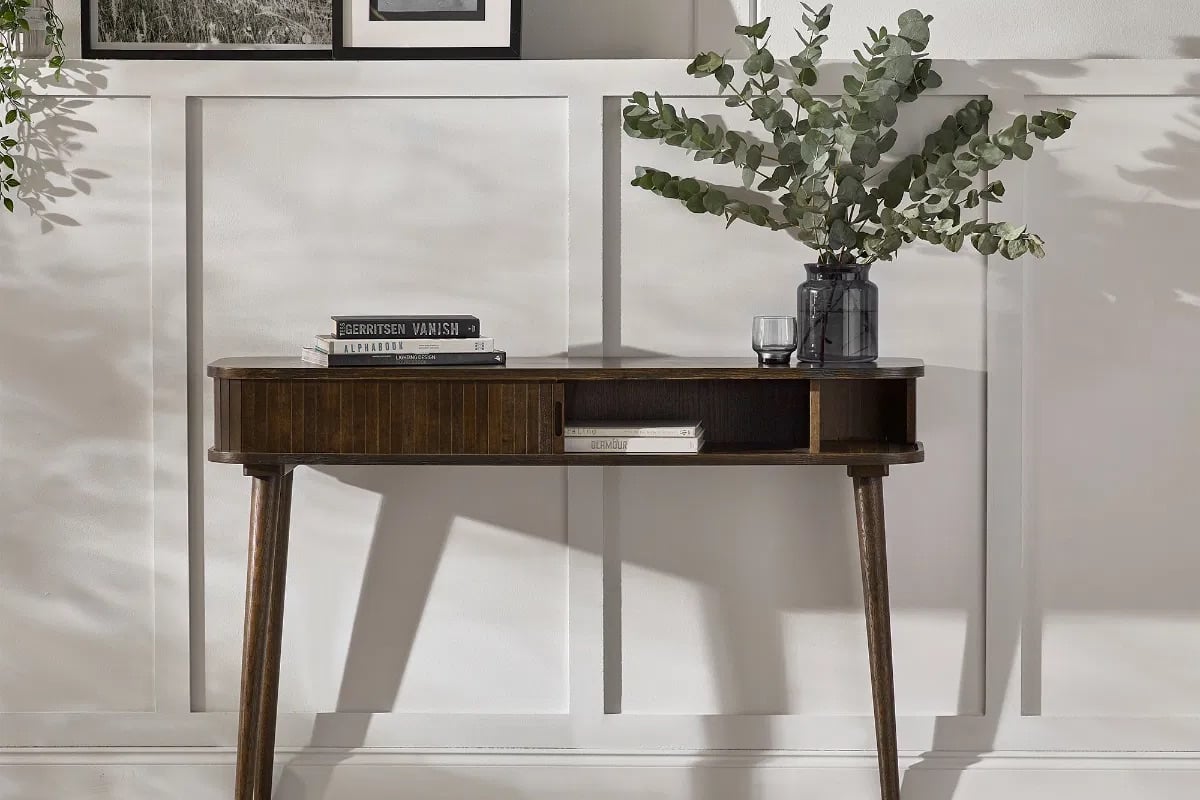
Position your mirror opposite natural light sources where possible. This placement doubles available light and creates depth in compact spaces. Pair the mirror with a console table beneath it to establish a practical styling vignette that balances form with function.
The combination of a weathered wood mirror frame above a streamlined console creates pleasing contrast, preventing the space from feeling overly rustic or cluttered. Add a simple ceramic vase or vintage candlestick to complete the arrangement without overwhelming the mirror's visual presence.
Living Room Focal Points
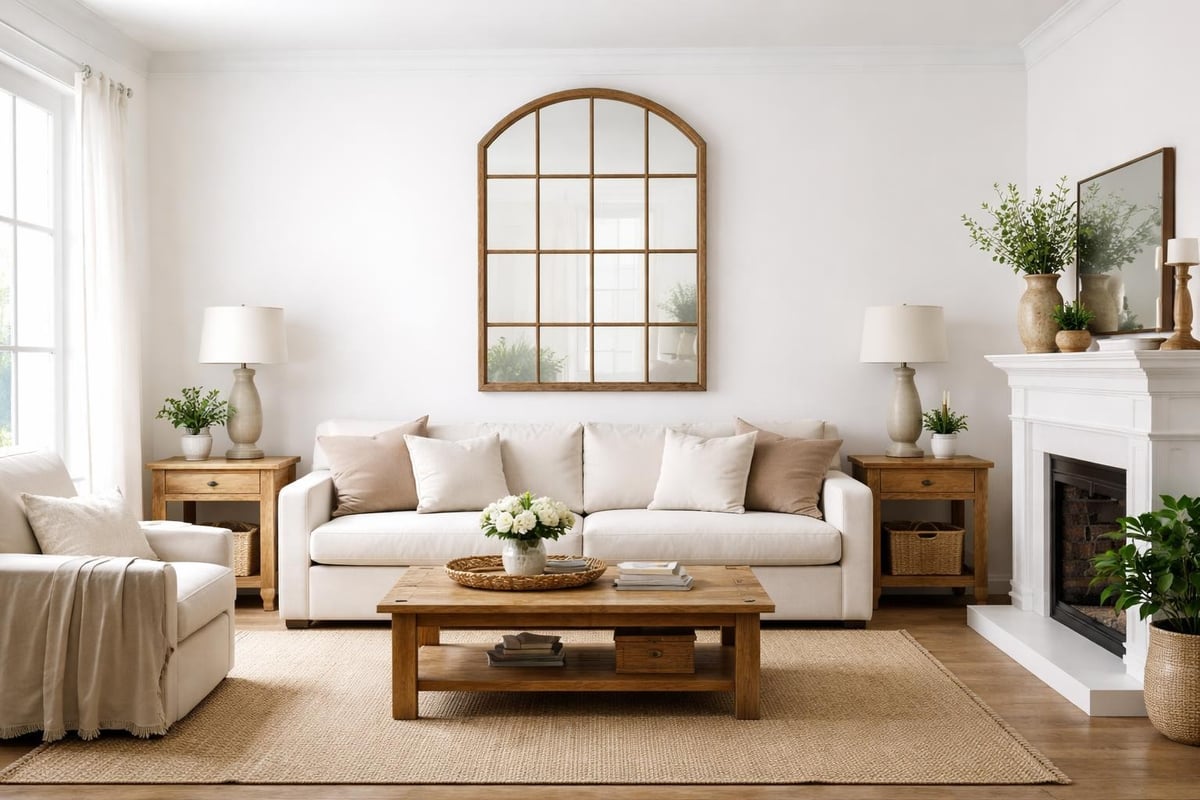
Large-scale farmhouse rustic mirrors work exceptionally well above fireplaces, sofas, or sideboards in living spaces. The scale matters significantly; an undersized mirror appears lost above a substantial sofa, whilst an oversized piece commands attention and anchors the seating area.
Consider these proportion guidelines:
- Above sofas: Mirror width should measure two-thirds to three-quarters of the sofa length
- Over fireplaces: Leave 10-15cm clearance above the mantel, with mirror width not exceeding mantel width
- Standalone wall features: Allow at least 15cm of wall space on all sides to prevent crowding
Layering remains key to contemporary farmhouse styling. Rather than centering the mirror in isolation, consider flanking it with wall art in complementary frames or adding sconces for ambient lighting that highlights the frame's texture.
Sizing Considerations and Room Proportions
Selecting the appropriate size farmhouse rustic mirror requires careful assessment of your room's dimensions, ceiling height, and existing furniture scale. Oversized mirrors create drama and expand perceived space, whilst smaller pieces offer intimate charm and work well in groupings.
Scale Relationships
| Room Type | Recommended Mirror Size | Hanging Height |
|---|---|---|
| Compact hallway | 60-90cm height | Eye level (140-150cm to center) |
| Standard bedroom | 90-120cm height | Above dresser or freestanding |
| Large living room | 120-180cm height | Centered on wall feature |
| Bathroom | 60-90cm height | Above vanity at functional height |
In rooms with high ceilings, vertical mirrors emphasize the architectural advantage whilst grounding the space with their substantial frames. Horizontal orientations suit rooms where width exceeds height, creating visual balance and making narrow spaces feel broader.
Frame Styles and Finish Variations
The frame defines a farmhouse rustic mirror's character, with numerous finish options available to suit different interior schemes. Understanding these variations helps you select pieces that complement your existing palette and architectural features.
Wood Species and Treatments
Reclaimed barn wood offers authentic weathering with naturally occurring splits, nail holes, and colour variations from years of exposure. These imperfections contribute character rather than detracting from quality.
Pine frames provide a lighter, more casual aesthetic. When whitewashed or lime-waxed, pine creates the classic farmhouse look associated with Scandinavian and coastal interiors.
Oak selections introduce richer tones and prominent grain patterns. Dark-stained oak suits moody farmhouse schemes, whilst natural oak finishes bridge traditional and contemporary styles.
Painted and distressed finishes range from soft greys and sage greens to bold charcoals and navy blues. Authentic distressing reveals underlying wood at edges and raised details, mimicking natural wear patterns.
Decorative Details
- Beveled glass edges that catch and reflect light
- Rope or metal banding around frame perimeters
- Corner rosettes or carved flourishes
- Layered frame depths creating shadowbox effects
- Integrated shelving for functional display
These embellishments should enhance rather than overwhelm the mirror's rustic character. The most successful pieces balance decorative interest with restraint, allowing the natural material beauty to remain central.
Styling Techniques for Contemporary Interiors
Integrating a farmhouse rustic mirror into modern spaces requires thoughtful styling that honors both rustic warmth and contemporary clean lines. The rustic farmhouse interior trend continues to evolve, embracing edited approaches that prevent spaces from feeling overly themed.
Layering and Contrast
Create visual interest by juxtaposing your farmhouse rustic mirror against unexpected elements. A heavily distressed wood frame gains sophistication when hung against smooth plaster walls in muted greys or soft whites. The contrast between rough and refined creates dynamic tension that elevates both elements.
Material mixing proves particularly effective in 2026 interiors:
- Combine wooden mirror frames with metal lighting fixtures
- Pair rustic mirrors with sleek marble or stone surfaces
- Contrast weathered frames against crisp linen textiles
- Layer vintage mirrors with contemporary art pieces
Functional Styling
Beyond aesthetics, farmhouse rustic mirrors serve practical purposes that inform their placement and surrounding styling. In bedrooms, position mirrors to reflect natural light from windows whilst maintaining privacy. Above dressing tables or chests of drawers, ensure adequate task lighting that doesn't create harsh shadows.
In dining spaces, mirrors expand the sense of occasion by reflecting candlelight and creating visual depth. Position them to avoid reflecting clutter from kitchen areas or awkward sightlines to adjacent rooms.
DIY Possibilities and Customization
For those seeking unique pieces or budget-friendly alternatives, creating your own farmhouse rustic mirror offers creative satisfaction and customization opportunities. Several DIY farmhouse mirror tutorials provide step-by-step guidance for various skill levels and design preferences.
Basic Construction Approaches
- Frame renovation: Source vintage frames from architectural salvage yards or antique markets, strip existing finishes, and apply new stains or paints
- Reclaimed wood assembly: Cut salvaged barn wood or pallet timber to size, construct a frame using basic joinery, and insert mirror glass
- Embellishment addition: Transform basic frames with applied mouldings, decorative corner pieces, or rope detailing
- Finish techniques: Master distressing methods including dry brushing, sanding edges, and applying aging solutions
Quality Considerations for DIY Projects
Whilst DIY approaches offer cost savings and personalization, consider these quality factors:
- Mirror glass quality: Invest in proper mirror glass rather than acrylic alternatives for authentic reflection and longevity
- Secure mounting: Ensure adequate support through French cleats, heavy-duty D-rings, or wire rated for the mirror's weight
- Moisture protection: Apply appropriate sealants for bathroom installations to prevent wood warping or glass deterioration
- Professional cutting: Commission precise glass cutting rather than attempting it yourself unless properly equipped and experienced
The DIY wall mirror tutorial demonstrates professional techniques achievable at home with patience and attention to detail.
Maintenance and Long-term Care
Preserving your farmhouse rustic mirror's character whilst maintaining its functionality requires understanding appropriate cleaning methods and environmental considerations.
Cleaning Recommendations
For distressed wood frames:
- Dust weekly with soft, dry microfiber cloths
- Avoid water-based cleaners that may penetrate distressed finishes
- Use furniture wax sparingly on unsealed wood every 6-12 months
- Address spills immediately with dry absorption rather than wiping
For mirror surfaces:
- Clean glass with vinegar and water solution rather than commercial cleaners containing ammonia
- Spray cleaning solution on cloth rather than directly on glass to prevent moisture seeping behind edges
- Polish with newspaper or lint-free cloths for streak-free results
- Avoid excessive moisture near frame edges
Environmental Factors
Position farmhouse rustic mirrors away from direct heat sources including radiators and fireplaces. Extreme temperature fluctuations cause wood expansion and contraction, potentially loosening joints or causing finish cracks.
In bathrooms, ensure adequate ventilation to manage humidity levels. Sealed frames withstand moisture better than unsealed wood, though no farmhouse rustic mirror thrives in constantly damp conditions.
Coordinating with Existing Décor Elements
Successfully integrating a farmhouse rustic mirror requires considering how its presence influences surrounding furnishings, colour schemes, and decorative accessories. These pieces work best when they feel discovered rather than deliberately matched to every other element.
Colour Palette Harmony
Farmhouse rustic mirrors featuring natural wood tones complement neutral colour schemes built around whites, creams, soft greys, and warm taupes. These understated palettes allow the mirror's texture and craftsmanship to command attention without competing with bold wall colours.
For those embracing darker moody farmhouse aesthetics, mirrors with charcoal-stained or ebonized frames coordinate beautifully with deep plum, forest green, or navy walls. The key lies in maintaining adequate contrast; very dark frames require lighter surrounding elements to prevent visual heaviness.
Furniture Coordination
Your farmhouse rustic mirror need not match existing furniture exactly. In fact, varied wood tones create more authentic, collected-over-time appeal. Consider these coordination strategies:
Complementary rather than matching: Pair an oak-framed mirror with walnut side tables or pine dining chairs
Finish variation: Combine distressed painted mirrors with natural wood furniture for textural interest
Era mixing: Position vintage-inspired mirrors alongside contemporary upholstery pieces for eclectic sophistication
Metal accents: Echo metal details from mirror frames in lighting fixtures, cabinet hardware, or decorative accessories
Regional Style Variations
Farmhouse rustic mirrors adapt to various regional interpretations whilst maintaining core characteristics of natural materials and weathered finishes. Understanding these variations helps you select pieces aligned with your preferred aesthetic direction.
English Country Farmhouse
Traditional British farmhouse mirrors often feature oak or elm frames with gentle distressing that suggests age rather than deliberate wear. Soft grey painted finishes, subtle carved details, and classical proportions characterize this approach. These pieces suit period properties and complement traditional furnishings without appearing overly formal.
French Provincial
French-inspired farmhouse rustic mirrors introduce more ornate carved elements, arched tops, and occasional gilt accents applied over distressed paint. The Châteaucore trend embraces this aesthetic, creating elegant yet approachable pieces that work in both country estates and city townhouses.
Scandinavian Simplicity
Nordic interpretations favor lighter woods, whitewashed or natural finishes, and clean-lined frames with minimal ornamentation. These mirrors emphasize functional beauty and material honesty, creating serene focal points in minimalist-leaning interiors.
American Rustic
Characteristically larger and more robust, American farmhouse mirrors often incorporate reclaimed barn wood with pronounced weathering, metal banding, or industrial-inspired hardware. These substantial pieces suit open-plan living spaces and high-ceilinged rooms.
Investment Considerations and Quality Markers
When evaluating farmhouse rustic mirrors for purchase, several quality indicators help distinguish investment pieces from disposable décor. Understanding these markers ensures your selection delivers lasting value and authentic character.
Construction Quality
Examine joinery at frame corners. Visible screws or staples indicate mass production, whilst mitered corners with hidden fasteners or traditional joinery suggest superior craftsmanship. Solid wood construction throughout proves more durable than particle board cores with thin wood veneers.
Test frame stability by gently applying pressure. Quality pieces resist flexing or creaking, indicating proper assembly and adequate material thickness. Check that mirror glass sits securely within the frame with adequate support rather than relying solely on backing board pressure.
Authentic Distressing vs. Artificial Aging
Genuine distressed finishes show logical wear patterns at frame edges, corners, and raised details where natural handling occurs. Artificially aged pieces sometimes feature random distressing unrelated to actual use patterns, appearing contrived rather than authentic.
Quality distressed finishes reveal underlying wood or paint layers naturally, whilst lower-quality alternatives may employ printed effects or inconsistent application. Run your hand across distressed areas; authentic finishes feel smooth despite visual texture, whilst poorly executed distressing may feel rough or unfinished.
Price and Value Assessment
| Price Range | Expected Quality | Typical Features |
|---|---|---|
| £50-150 | Mass-produced, veneer construction | Printed wood grain, stapled assembly, standard glass |
| £150-350 | Mid-range, some solid wood | Hand-finished elements, decent joinery, quality glass |
| £350-700 | Premium, solid construction | Authentic materials, traditional joinery, beveled glass |
| £700+ | Investment pieces, artisan crafted | Reclaimed materials, custom sizing, exceptional detail |
Consider the mirror's intended placement and room importance when determining appropriate investment levels. Focal point mirrors in primary living spaces justify higher expenditure than secondary bathroom or hallway pieces.
A farmhouse rustic mirror brings warmth, texture, and authentic character to British interiors whilst serving essential functional purposes. By understanding material quality, styling approaches, and strategic placement, you can select pieces that enhance your home's aesthetic for years to come. Noble & Nook offers carefully curated home furnishings and décor that complement rustic mirror styling, from quality furniture pieces to distinctive lighting and accessories, all with free UK mainland shipping and flexible payment options to help you create interiors that feel both collected and considered.
Article written using RankPill.