

The dining room has undergone a remarkable transformation in recent years, evolving from a purely functional space into a carefully curated environment that reflects personal style and enhances daily living. As we navigate through 2026, homeowners are rediscovering the value of creating dedicated spaces for gathering, conversation and celebration. Whether you're working with a compact area or an expansive room, understanding current design principles and timeless fundamentals ensures your dining space becomes both beautiful and practical.
The Return of the Dedicated Dining Space
After years of open-plan living dominating British homes, the pendulum has swung back towards creating clearly defined rooms with distinct purposes. This shift represents more than aesthetics-it reflects a deeper appreciation for intentional design and the psychological benefits of spatial boundaries.
Why Separation Matters
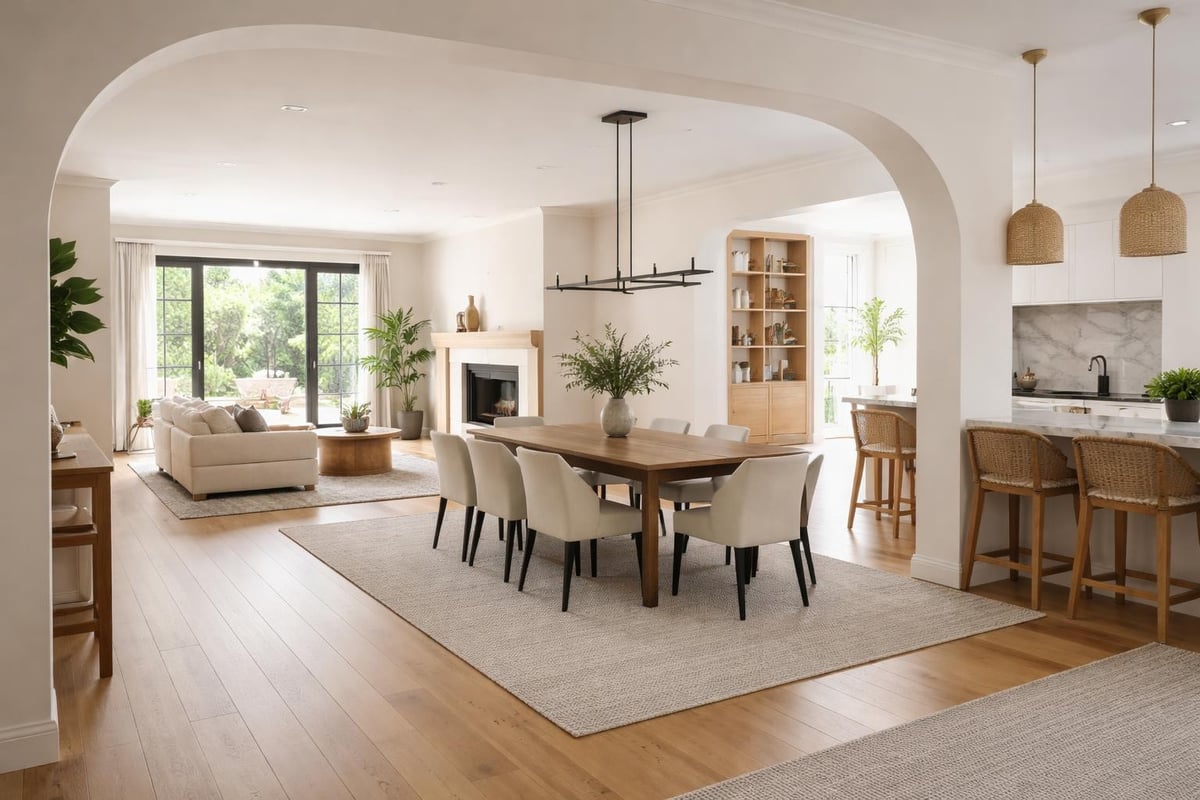
Creating a dedicated dining area, even within an open floor plan, establishes visual and functional clarity. Designers are achieving this through various methods:
- Architectural elements such as panelled walls, archways or partial dividers
- Floor transitions using different materials or area rugs to define zones
- Lighting design that creates focal points and separates areas visually
- Furniture placement that naturally establishes boundaries without walls
The concept of quiet luxury in dining room design emphasises craftsmanship and subtle sophistication over overt displays. This approach favours quality materials, considered proportions and enduring design over fleeting trends.
Furniture Selection and Spatial Planning
The foundation of any successful dining space begins with thoughtful furniture selection. Understanding proportions, traffic flow and functional requirements ensures your room serves its intended purpose whilst maintaining visual balance.
Table Proportions and Clearances
| Room Dimension | Recommended Table Size | Minimum Clearance |
|---|---|---|
| 3m × 3m | Up to 1.2m diameter or 1.2m × 1.5m | 90cm all sides |
| 3.5m × 4m | 1.5m × 2m rectangular | 100cm all sides |
| 4m × 5m | 1.8m × 2.4m or larger | 110cm all sides |
Adequate clearance around your table ensures comfortable movement when chairs are occupied. This seemingly simple calculation dramatically impacts daily usability and entertaining capacity.
Beyond the table itself, consider how dining room furniture integrates with the broader space. Storage pieces, display units and serving surfaces contribute both functionality and visual weight to your scheme.
Seating Evolution Beyond Traditional Chairs
One of the most significant developments in recent dining design involves moving away from traditional chair arrangements towards more versatile seating options. Banquettes, upholstered benches and even dining sofas create a more relaxed, sociable atmosphere whilst maximising seating capacity in tighter spaces.
This approach offers several advantages:
- Space efficiency through built-in or corner seating
- Comfort enhancement with deeper cushions and back support
- Aesthetic softness that balances hard table surfaces
- Flexibility for both intimate dinners and larger gatherings
Lighting Layers and Atmosphere Creation
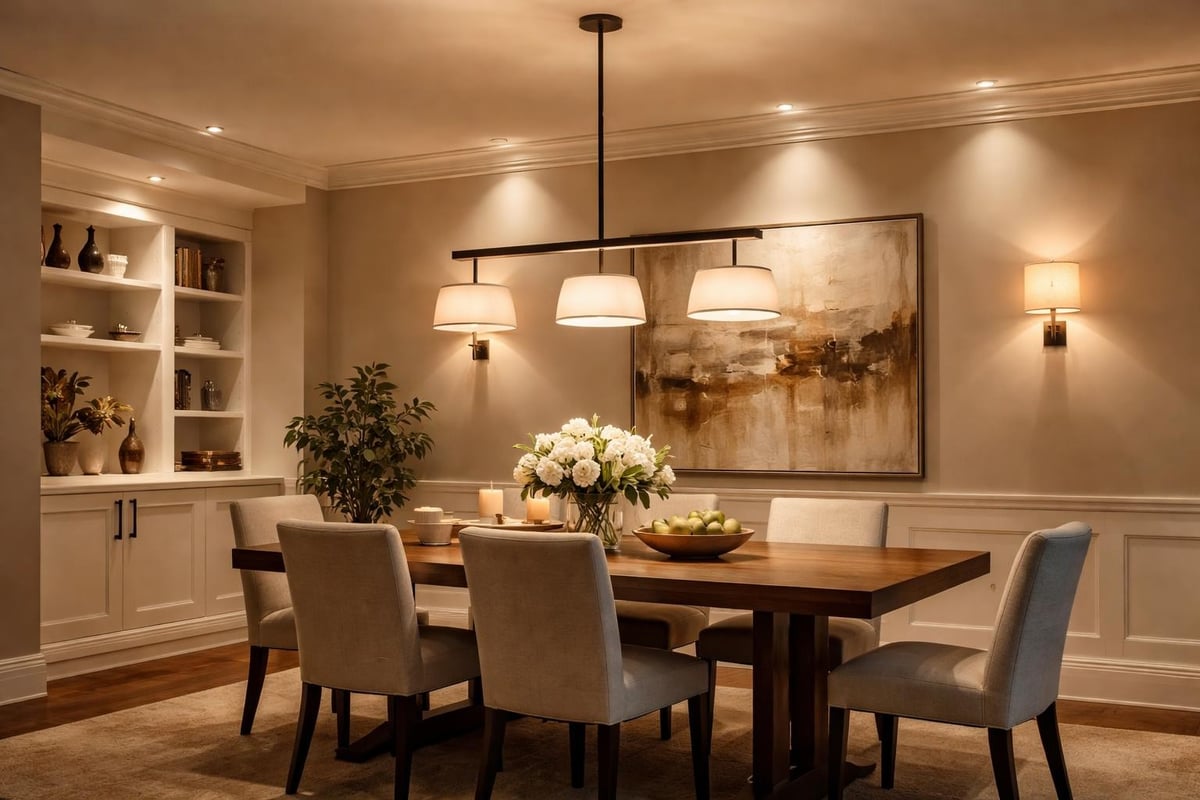
Perhaps no single element influences a dining room's character more profoundly than lighting. The most successful schemes employ multiple light sources working in harmony to create flexibility, depth and ambience.
The Three-Layer Approach
Effective dining room illumination relies on combining ambient, task and accent lighting. Ambient sources provide overall illumination, task lighting ensures practical visibility at the table, and accent lighting highlights architectural features or decorative elements.
Chandelier or pendant positioning requires careful consideration. The general rule places the fixture's lowest point 75-85cm above the table surface, though this varies with ceiling height and fixture scale. Achieving great dining room lighting involves understanding how different sources interact throughout the day and evening.
Dimmer switches remain essential for creating versatility. What works for a casual breakfast differs considerably from requirements for an evening dinner party. Installing dimmers on all light sources-including wall sconces and display lighting-provides maximum control over atmosphere.
Sculptural lighting fixtures serve dual purposes in 2026 dining schemes. Beyond illumination, statement pieces become focal points that anchor the room's visual hierarchy. Consider how fixture finish, scale and form relate to other metallic accents and furniture details within the space.
Colour, Texture and Material Palettes
The colour psychology of dining spaces deserves thoughtful attention. Whilst personal preference remains paramount, certain principles enhance dining experiences and spatial perception.
Embracing Moodier Tones
Contemporary dining room trends reveal a movement towards deeper, more saturated colours that create intimate, cocoon-like environments. Rich burgundies, forest greens, navy blues and charcoal greys establish sophisticated backdrops that flatter candlelight and enhance evening gatherings.
This doesn't mandate painting every surface dark. Strategic colour placement-perhaps on a single feature wall or lower wall sections with contrasting lighter uppers-achieves depth without overwhelming smaller rooms.
Material Mixing and Textural Depth
Successful dining schemes balance hard and soft elements, smooth and textured surfaces, natural and manufactured materials. Consider this material interplay:
- Wood tones bring warmth and organic connection
- Metal accents add refinement through hardware, lighting and accessories
- Textile layers soften acoustics via curtains, upholstery and table linens
- Stone or ceramic introduces cool contrast and durability
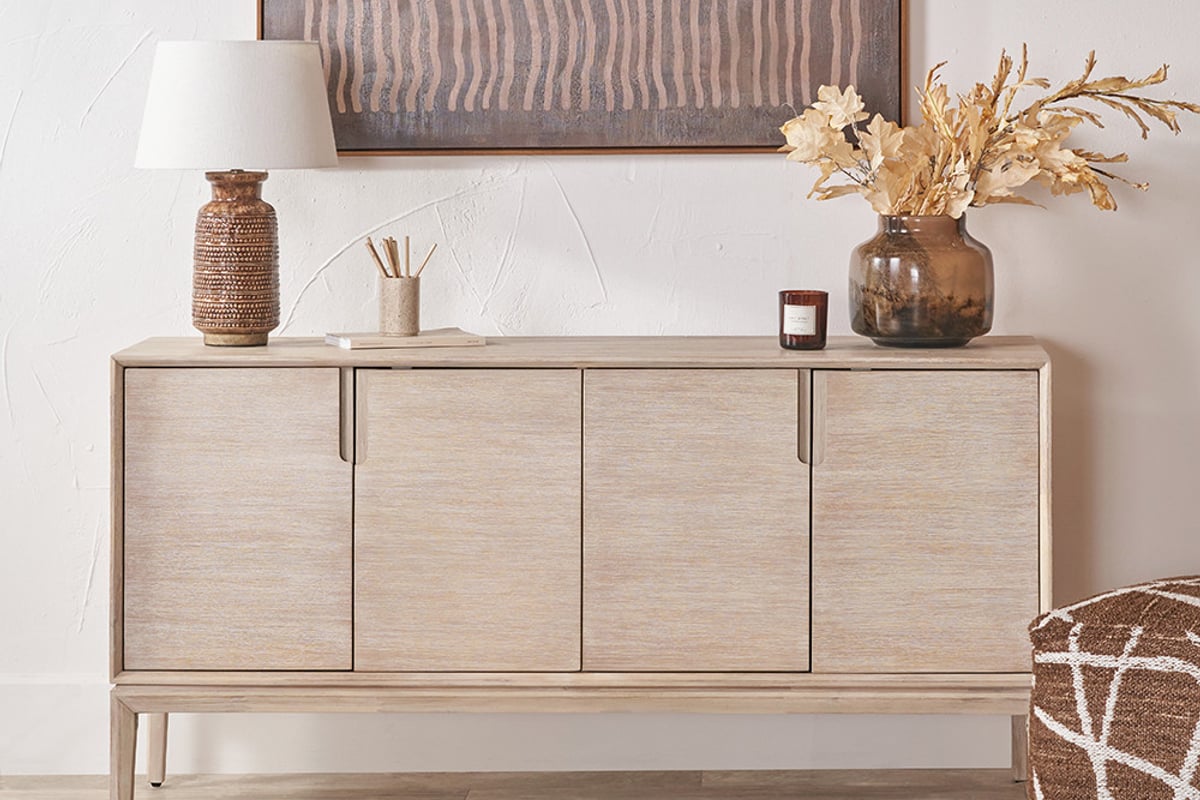
For practical surfaces beyond the dining table, beautifully crafted sideboards provide essential storage whilst contributing to the room's material narrative. These pieces anchor spaces and offer display opportunities for decorative objects, glassware and serving pieces.
Wall Treatments and Architectural Interest
Bare walls represent missed opportunities in dining design. Whether through paint techniques, applied mouldings, wallcoverings or artwork, adding dimension to vertical surfaces dramatically elevates perceived quality and visual interest.
Panelling and Millwork
Traditional panelling-whether full-height wainscoting or picture rail divisions-creates architectural character in rooms lacking original period features. Modern interpretations using slimmer profiles and contemporary proportions honour heritage whilst feeling current.
DIY-friendly alternatives include:
- Batten and board installations with vertical or grid patterns
- Picture frame moulding applied directly to painted surfaces
- Shiplap or tongue-and-groove for casual, textured appeal
- Beadboard wainscoting particularly suited to traditional schemes
Each approach transforms plain drywall into a considered backdrop that enhances furniture and decor whilst improving sound absorption-a valuable benefit in high-ceilinged or hard-surfaced rooms.
Art and Display Strategies
Dining rooms offer ideal galleries for curated collections. Unlike high-traffic hallways or relaxation-focused bedrooms, these spaces invite contemplative viewing during extended meals and conversation.
Scale matters tremendously. A single oversized piece often succeeds where multiple small works feel scattered. Alternatively, salon-style gallery walls create maximal impact through carefully balanced arrangements.
Consider the viewing distance and seated eye level when positioning artwork. Pieces hung for standing appreciation may appear awkwardly high when you're seated at the table. The standard centre point of 145-150cm suits most situations but adjust based on your specific ceiling height and furniture scale.
Multifunctional Adaptability for Modern Living
Whilst we celebrate the return of dedicated dining spaces, reality dictates that many rooms must serve multiple purposes. The challenge lies in creating flexibility without compromising any single function.
Home Office Integration
When dining tables moonlight as workstations, organisational systems become essential. Beautiful storage boxes, decorative trays and carefully selected accessories allow quick transitions between work and dining modes. The key is maintaining visual calm-even multifunctional spaces benefit from edited, intentional styling rather than visible clutter.
Child-Friendly Considerations
Families with young children require durability without sacrificing style. Practical strategies include:
- Washable paint finishes for easy maintenance
- Durable upholstery fabrics such as leather, performance textiles or removable covers
- Table protection through quality placemats, runners or fitted pads
- Accessible storage for children's art supplies and tableware
The most successful family dining rooms embrace their dual nature rather than fighting against practical realities. Choosing finishes and materials that age gracefully-developing patina rather than simply wearing out-creates spaces that evolve beautifully alongside family life.
Sustainability and Longevity in Dining Design
The most sustainable piece of furniture is one you never need to replace. Investing in quality construction, timeless design and durable materials reduces environmental impact whilst ultimately proving more economical than repeatedly purchasing inferior alternatives.
Material Transparency and Sourcing
Understanding where and how your furniture is made informs better purchasing decisions. Look for:
- Solid wood construction rather than veneers over particleboard
- Traditional joinery methods including mortise-and-tenon or dovetail joints
- Natural finishes using oils or water-based products
- Local or regional production when possible to reduce transportation impacts
Design trends for 2025 and beyond increasingly emphasise sustainability alongside aesthetics. Consumers are recognising that truly luxurious furniture respects both craftsmanship traditions and environmental responsibility.
The Case for Classic Proportions
Trend-resistant design doesn't mean boring or derivative. Classic proportions, quality materials and excellent craftsmanship create foundations that welcome evolving accessories and textiles without requiring wholesale replacement.
When you invest in a beautifully made dining table with timeless lines, you're free to refresh the space through more accessible updates-new chair cushions, different lighting fixtures or seasonal table styling-without discarding substantial pieces.
Seasonal Styling and Table Setting
The dining table serves as a canvas for expression beyond permanent furniture selections. Seasonal styling brings freshness and marks the passage of time through thoughtful, temporary changes.
Textile Layering Techniques
Table linens offer the simplest transformation opportunity. Consider building a collection including:
| Season | Textile Approach | Colour Palette |
|---|---|---|
| Spring | Lightweight linen runners | Soft pastels, fresh whites |
| Summer | Minimal or bare table | Bright accents, natural tones |
| Autumn | Textured weaves, layered placemats | Warm ochres, deep oranges |
| Winter | Rich velvets, full tablecloths | Jewel tones, metallics |
Beyond tablecloths and runners, napkins, chair cushions and even curtain changes contribute to seasonal transitions without requiring significant investment or storage space.
Centrepiece Evolution
Static floral arrangements represent only one approach to table styling. Consider alternatives including:
- Grouped candleholders in varying heights
- Natural elements such as branches, pinecones or seasonal fruits
- Decorative objects including ceramics, sculptures or books
- Living plants in beautiful containers
Whatever your approach, ensure centrepieces don't obstruct sightlines across the table. Successful dinner conversation requires easy eye contact between all guests.
Current Movements Shaping Dining Design
Understanding broader design movements helps contextualise specific choices within your own space. Several interconnected trends are influencing dining rooms throughout 2026.
Character Over Perfection
The era of showroom-perfect, untouchable interiors is waning. Today's most compelling dining spaces feel lived-in and personal, reflecting accumulated experiences rather than single shopping trips. This manifests through:
- Collected rather than matched furniture and accessories
- Visible age and patina on vintage or antique pieces
- Personal collections displayed rather than hidden
- Handmade elements including artwork, pottery or textiles
Exploring 2026 dining room trends reveals this shift towards authenticity and individual expression over prescribed "looks" promoted by mass retailers.
Technology Integration Done Thoughtfully
Smart home technology increasingly influences dining design, though the most successful implementations remain invisible. Discreet speakers, integrated charging solutions and app-controlled lighting offer convenience without dominating the aesthetic.
The goal is enhancing functionality whilst preserving the room's primary purpose: facilitating human connection through shared meals and conversation.
Storage Solutions Beyond the Obvious
Effective dining room storage extends well beyond sideboards and display cabinets. Thinking creatively about where and how you store dining-related items improves both functionality and visual appeal.
Built-In Opportunities
If undertaking renovation work, consider incorporating storage during construction rather than relying solely on freestanding furniture:
- Alcove shelving flanking chimney breasts or windows
- Window seat storage combining seating with hidden compartments
- Floor-to-ceiling cabinetry in alcoves or along single walls
- Under-bench storage with upholstered banquette seating
Built-in solutions often provide better space efficiency than freestanding equivalents whilst creating custom, architectural character.
Vertical Space Utilisation
Wall-mounted storage keeps floor space clear whilst adding visual interest. Options include floating shelves, plate racks, wine storage systems and display ledges. When thoughtfully arranged, these elements become part of the room's decorative scheme rather than purely functional additions.
For particularly beautiful pieces-whether you're exploring carefully selected furniture or displaying cherished heirlooms-open storage allows daily appreciation rather than hiding treasures behind closed doors.
Flooring Considerations for Dining Spaces
Often overlooked during initial planning, flooring significantly impacts both aesthetics and practicality in dining areas. Material selection should balance visual preference with maintenance realities and acoustic considerations.
Material Performance Comparison
| Flooring Type | Durability | Maintenance | Acoustic Properties | Visual Warmth |
|---|---|---|---|---|
| Solid hardwood | Excellent | Moderate | Good absorption | High |
| Engineered wood | Very good | Low | Good absorption | High |
| Natural stone | Excellent | Low-Moderate | Poor absorption | Moderate |
| Porcelain tile | Excellent | Very low | Poor absorption | Low-Moderate |
| Luxury vinyl | Good | Very low | Moderate | Moderate |
Hard surface flooring proves most practical for dining areas prone to spills, but consider acoustic treatment through rugs or wall textiles to prevent echoey conditions that hinder conversation.
Area Rug Selection
When layering rugs over hard flooring, ensure adequate size to accommodate the table plus pulled-out chairs. A common mistake involves choosing rugs too small, creating an awkward visual relationship and practical frustration when chair legs catch edges during use.
The rug should extend at least 60cm beyond the table on all sides when chairs are positioned at the table. This ensures chairs remain on the rug even when pulled out for seating.
Creating Intimacy Through Scale and Proportion
Large dining rooms present unique challenges, often feeling cavernous and unwelcoming despite their square footage. Strategic design decisions can create intimacy within expansive spaces.
Furniture Anchoring Techniques
Don't allow furniture to float aimlessly in large rooms. Instead, create intentional groupings and relationships:
- Anchor the dining table centrally within the defined dining zone
- Add secondary furniture groupings such as a console with chairs for a serving area
- Use area rugs to visually contain and define the primary dining space
- Consider ceiling treatments including coffered ceilings or painted sections to lower perceived height
The principle of human scale applies regardless of room size. Furniture and accessories should relate comfortably to people using the space, creating psychological comfort alongside physical accommodation.
The Role of Mirrors in Spatial Enhancement
Mirrors serve multiple purposes in dining design, from amplifying light to creating perceived depth. However, their placement requires consideration beyond simply filling wall space.
Strategic Positioning Guidelines
Mirrors opposite windows maximise natural light reflection, brightening spaces considerably. However, avoid positioning mirrors where diners will constantly see their reflections during meals-this creates self-consciousness rather than comfort.
Consider placing mirrors on walls perpendicular to seating areas, where they'll catch and distribute light without putting diners on display. Alternatively, position mirrors to reflect beautiful views, architectural features or carefully styled vignettes rather than functional but visually mundane elements.
Creating a dining room that balances beauty, functionality and personal expression requires thoughtful consideration of layout, materials, lighting and styling. Whether you're working with a compact area or an expansive formal space, the principles of quality craftsmanship, intentional design and practical planning ensure your dining room serves you beautifully for years to come. At Noble & Nook, we curate boutique furniture, luxury lighting and quality home furnishings designed to elevate every room, with free UK mainland shipping and flexible payment options making it easier to create the dining space you've envisioned.