

At home tables serve as the foundation of functional interior design, providing both practical surfaces and visual anchors that define how we use our living spaces. From the dining table where families gather to the coffee table that centres your lounge, these essential furniture pieces shape daily routines whilst contributing significantly to the overall aesthetic of your home. Understanding how to select, position and style at home tables ensures your rooms feel balanced, purposeful and uniquely yours.
The Evolution of Table Design in British Homes
Contemporary at home tables reflect shifting priorities in British interior design, where versatility and craftsmanship increasingly take precedence over purely decorative elements. The move towards smaller living spaces has accelerated demand for multi-functional pieces that serve multiple purposes without overwhelming a room's proportions.
Current trends shaping table design include:
- Organically-shaped surfaces that soften geometric room layouts
- Sustainable materials reflecting environmental consciousness
- Tech-integrated designs accommodating modern work-from-home requirements
- Curved edges replacing harsh corners for improved flow
Recent furniture table trends highlight the growing preference for pieces that combine visual warmth with practical durability, particularly in materials such as solid oak, walnut and sustainable composite woods. These choices align with the broader movement towards investment pieces designed to last decades rather than seasons.
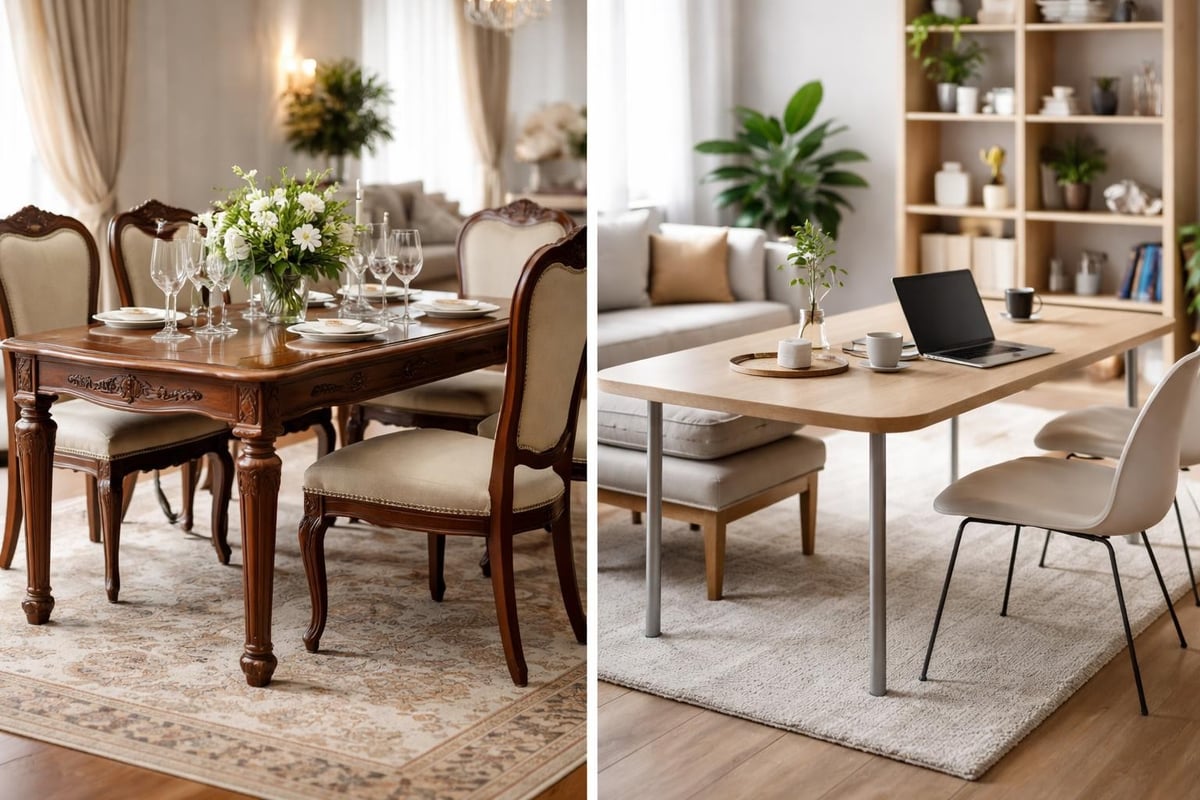
Dining Tables: The Heart of Social Spaces
Dining tables remain the most significant at home tables in terms of both size and social importance. These gathering points define how households share meals, celebrate occasions and connect with guests, making their selection a decision that affects daily life for years to come.
Sizing Your Dining Table Appropriately
Proper proportions ensure comfortable movement around the table whilst maximising seating capacity. A general guideline suggests allowing 60cm of table width per person, with an additional 90-120cm clearance around the perimeter for chair movement and serving access.
| Room Dimension | Recommended Table Size | Typical Seating |
|---|---|---|
| 3m x 3m | 120cm diameter or 150cm x 90cm | 4-6 people |
| 3.5m x 4m | 180cm x 90cm | 6-8 people |
| 4m x 5m | 210cm x 100cm | 8-10 people |
| 5m x 6m | 240cm x 110cm | 10-12 people |
The sculptural stone tables gaining prominence in 2026 interiors demonstrate how dining tables increasingly function as statement pieces. These designs often feature organic silhouettes that challenge traditional rectangular formats whilst maintaining practical functionality.
Material Considerations for Longevity
Different materials suit different lifestyles and aesthetic preferences. Solid wood brings warmth and develops character through natural patina, whilst glass creates visual lightness particularly beneficial in smaller dining spaces. Metal frames offer industrial appeal and exceptional durability, especially in households with young children or frequent entertaining.
For those seeking guidance on maximising dining room potential, our article on transforming small dining spaces provides practical strategies for making the most of compact areas.
Coffee Tables: Anchoring Your Living Room
Coffee tables function as the visual and practical centre of lounge areas, bridging seating arrangements whilst providing surfaces for beverages, books and decorative displays. These at home tables influence circulation patterns and determine how comfortably a living room accommodates both daily relaxation and social gatherings.
The ideal coffee table height sits 2-5cm lower than your sofa seat cushions, creating ergonomic access without obstructing sightlines across the room. Length should measure approximately two-thirds of your sofa's width, maintaining visual proportion whilst leaving adequate space for movement.
Functional features to consider include:
- Lower shelf storage for magazines, remotes and throws
- Nesting designs that expand surface area when entertaining
- Lift-top mechanisms accommodating laptop work or dining
- Rounded corners preventing injuries in high-traffic areas
Noble & Nook's curated selection of coffee tables demonstrates how these central pieces balance aesthetic appeal with everyday practicality, offering designs suited to both contemporary and traditional British interiors.
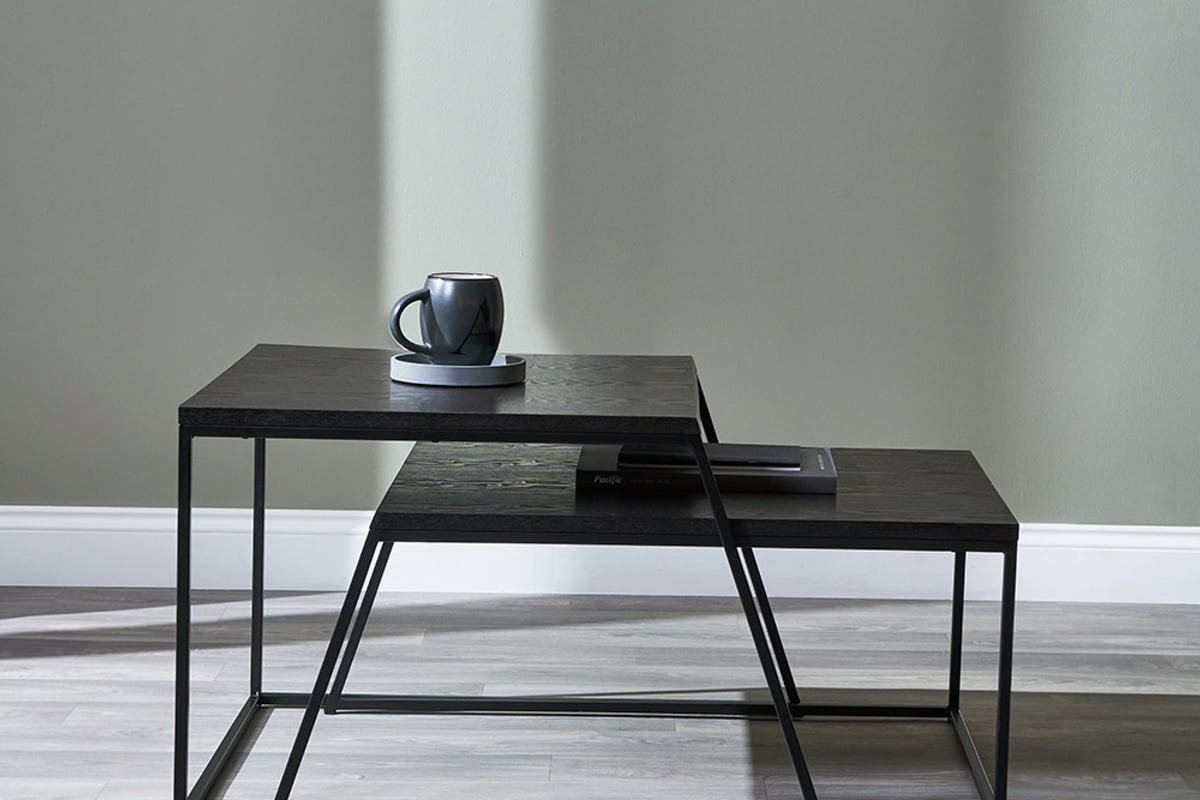
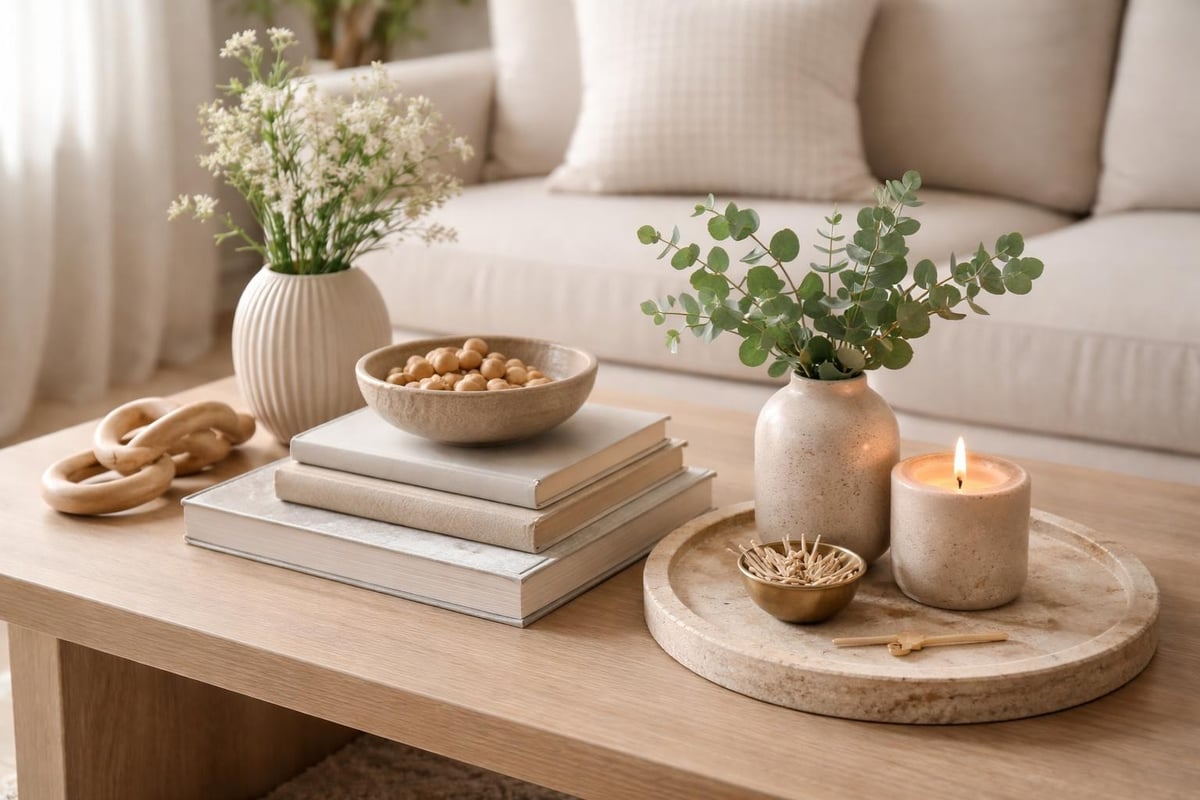
Styling Your Coffee Table Effectively
Successful coffee table styling follows the principle of balanced asymmetry, combining objects of varying heights, textures and purposes. Group items in odd numbers, typically three or five elements, to create visual interest without cluttering the surface.
Side Tables and Accent Surfaces
Side tables and occasional tables deliver flexibility that larger at home tables cannot match, providing surfaces exactly where needed without permanent commitment to fixed positions. These versatile pieces adapt to changing room configurations and seasonal requirements.
Bedside Tables: Bedroom Essentials
Bedside tables serve functional needs whilst contributing to bedroom symmetry and style. Height alignment with your mattress top ensures comfortable access to reading materials, water glasses and lighting controls without awkward reaching.
Essential bedside table features:
- Surface area accommodating a lamp, alarm clock and water glass simultaneously
- Drawer or shelf storage for personal items and bedtime reading
- Proportions complementing bed size without overwhelming the space
- Finish coordinating with existing bedroom furniture
Contemporary designs increasingly incorporate charging stations and cable management solutions, reflecting technological integration in modern bedrooms. Our bedroom furniture collection showcases pieces that blend these practical considerations with timeless aesthetic appeal.
Console Tables for Transitional Spaces
Console tables excel in hallways, landings and behind sofas, transforming awkward spaces into functional display areas. These narrow-profile at home tables typically measure 75-90cm in height and 25-40cm in depth, providing surface area without protruding into circulation paths.
Hallway console tables create immediate impressions upon entering a home, offering space for key bowls, post trays and decorative elements that set the tone for your interior style. When exploring console table styling for hallways, consider how these pieces balance practical storage with visual sophistication.
Outdoor Tables: Extending Living Spaces
Garden and patio tables extend your living area into outdoor environments, creating al fresco dining opportunities and casual gathering spaces that capitalise on favourable weather. These at home tables face unique challenges requiring weather-resistant materials and stable construction.
| Material | Durability | Maintenance | Aesthetic |
|---|---|---|---|
| Teak | Excellent | Low (develops silver patina) | Traditional warmth |
| Aluminium | Excellent | Very low (rust-resistant) | Contemporary sleek |
| Rattan/Wicker | Good (with covering) | Moderate (clean regularly) | Casual relaxed |
| Stone/Concrete | Excellent | Low (seal annually) | Modern substantial |
Folding designs offer seasonal flexibility, allowing summer entertaining without year-round commitment to outdoor furniture storage. For comprehensive guidance on garden furniture selection, our article on stylish garden furniture ideas explores options suited to various UK climates and garden sizes.
Table Trends Shaping 2026 Interiors
Understanding current design movements helps ensure your at home tables remain stylistically relevant whilst serving long-term functional needs. Several significant trends characterise table design in 2026, reflecting broader shifts in how British households approach interior decoration.
The scalloped-edge design trend introduced through mainstream retailers demonstrates growing consumer appetite for softer, more organic forms. These curved treatments create visual interest whilst eliminating the harsh geometry of traditional rectangular designs.
Key 2026 table trends include:
- Minimalist silhouettes emphasising clean lines and negative space
- Natural wood grains celebrated through transparent finishes
- Mixed material compositions combining wood, metal and stone
- Compact designs addressing smaller living environments
- Artisan craftsmanship over mass-produced uniformity
Avoiding outdated dining room trends ensures your investment retains aesthetic value. Overly matched furniture sets, excessively formal arrangements and impractical glass-only surfaces increasingly feel dated compared to curated, personality-driven approaches.
Maintaining and Caring for Different Table Materials
Proper maintenance extends the lifespan of at home tables whilst preserving their appearance through years of daily use. Different materials demand specific care routines, with wood, glass and metal each requiring distinct approaches.
Wood Table Care Fundamentals
Daily maintenance:
- Wipe spills immediately using absorbent cloths
- Use coasters and placemats protecting surfaces from heat and moisture
- Dust regularly with microfibre cloths avoiding abrasive materials
Periodic treatments:
- Apply furniture polish or wax quarterly maintaining natural lustre
- Address scratches with touch-up markers matching wood tone
- Refinish surfaces every 5-10 years restoring original beauty
Wood responds to environmental humidity, potentially expanding or contracting with seasonal changes. Maintaining consistent indoor humidity between 40-60% minimises this movement, preventing cracks or warping.
Glass and Metal Surface Care
Glass tables require frequent cleaning to maintain clarity and remove fingerprints. Standard glass cleaner applied with lint-free cloths prevents streaking, whilst avoiding ammonia-based products on any surrounding wood or metal components protects mixed-material designs.
Metal frames benefit from occasional wiping with damp cloths followed by immediate drying preventing water spots. Chrome and stainless steel maintain shine through specialised polishes, whilst powder-coated finishes require only basic cleaning avoiding abrasive scrubbing.
Integrating Tables Within Overall Interior Design
At home tables function as connecting elements within broader interior schemes, their style, material and colour influencing room cohesion. Successful integration considers how these pieces relate to surrounding furniture, architectural features and decorative elements.
For those developing comprehensive interior approaches, our guide to essential furniture styling techniques explores how individual pieces work together creating harmonious spaces.
Creating Visual Flow Between Rooms
Repeating materials or design languages across different at home tables throughout your home establishes visual continuity. A dining table in warm oak might echo through oak bedside tables, creating subtle connections that make interiors feel intentional rather than randomly assembled.
Contrast can prove equally effective when purposefully deployed. Pairing a rustic farmhouse dining table with sleek modern side tables creates dynamic tension that adds personality whilst preventing spaces from feeling overly coordinated or predictable.
Balancing Proportions Across Furniture Pieces
Table height, width and depth must harmonise with surrounding furniture preventing awkward scale relationships. Oversized coffee tables dominate small lounges, whilst undersized dining tables appear lost in expansive dining rooms.
Proportion guidelines:
- Coffee tables: 40-45cm height, two-thirds sofa length
- Dining tables: 75cm height standard, 60cm width per person
- Console tables: 75-90cm height, 25-40cm depth
- Side tables: Align with adjacent seating arm or mattress height
These measurements provide starting points rather than absolute rules, with specific room dimensions and furniture styles influencing ideal proportions.
Seasonal Table Decoration Strategies
At home tables provide excellent opportunities for seasonal decoration, their surfaces accommodating changing displays that refresh interiors without permanent commitment. These temporary styling choices celebrate seasonal transitions whilst keeping rooms feeling current and thoughtfully maintained.
Christmas tablescaping trends demonstrate how festive periods inspire elaborate decorative schemes. However, subtler seasonal touches often prove more sustainable for everyday living, avoiding the overwhelm of excessive decoration.
Seasonal styling approaches:
- Spring: Fresh flowers, pastel ceramics, lightweight linens
- Summer: Citrus fruits, coastal elements, bright glassware
- Autumn: Natural foliage, warm metallics, textured fabrics
- Winter: Evergreen branches, candles, rich velvets
Our article on autumn coffee table decor provides specific inspiration for transitional season styling that celebrates changing weather whilst maintaining sophisticated restraint.
Multi-Functional Tables for Modern Living
Contemporary lifestyles increasingly demand furniture that adapts to multiple uses, particularly in compact urban dwellings where dedicated spaces for single purposes prove impractical. At home tables with transformative features maximise utility without sacrificing aesthetic appeal.
Adaptive table designs include:
- Extendable dining tables accommodating occasional large gatherings
- Lift-top coffee tables converting to working or dining surfaces
- Nesting side tables expanding when needed, stacking when not
- Folding console tables opening into full dining surfaces
- Height-adjustable designs serving multiple room functions
These versatile pieces reflect the dining table trends shaping modern interiors, where adaptability ranks alongside aesthetics in purchasing decisions. Tech integration through built-in charging stations, cable management and even embedded displays represents the frontier of table innovation.
Investing in Quality Table Construction
Premium at home tables justify higher initial investment through superior construction, enduring materials and timeless design that transcends temporary trends. Understanding quality markers helps distinguish genuine craftsmanship from superficial marketing claims.
Construction quality indicators:
- Solid wood versus veneered particle board construction
- Traditional joinery methods like mortise-and-tenon or dovetail joints
- Hand-applied finishes allowing future restoration
- Manufacturer warranties covering structural integrity
- Transparent material sourcing and production methods
Noble & Nook's commitment to quality home furnishings emphasises pieces selected for longevity and authentic craftsmanship. This curatorial approach ensures customers invest in tables that develop character through use rather than deteriorating with age.
Exploring iconic coffee table designs provides perspective on which aesthetic choices prove enduring. Certain profiles, proportions and material combinations consistently appeal across generations, suggesting their continued relevance despite evolving trends.
Selecting appropriate at home tables fundamentally shapes how your living spaces function and feel, making these decisions worthy of careful consideration and quality investment. Whether anchoring your dining room, centring your lounge or providing practical surfaces throughout bedrooms and hallways, the right tables elevate daily routines whilst expressing personal style. Noble & Nook offers thoughtfully curated collections spanning dining tables, coffee tables, side tables and accent pieces designed to complement British interiors, all delivered free across UK mainland with flexible payment options through Klarna or PayPal.